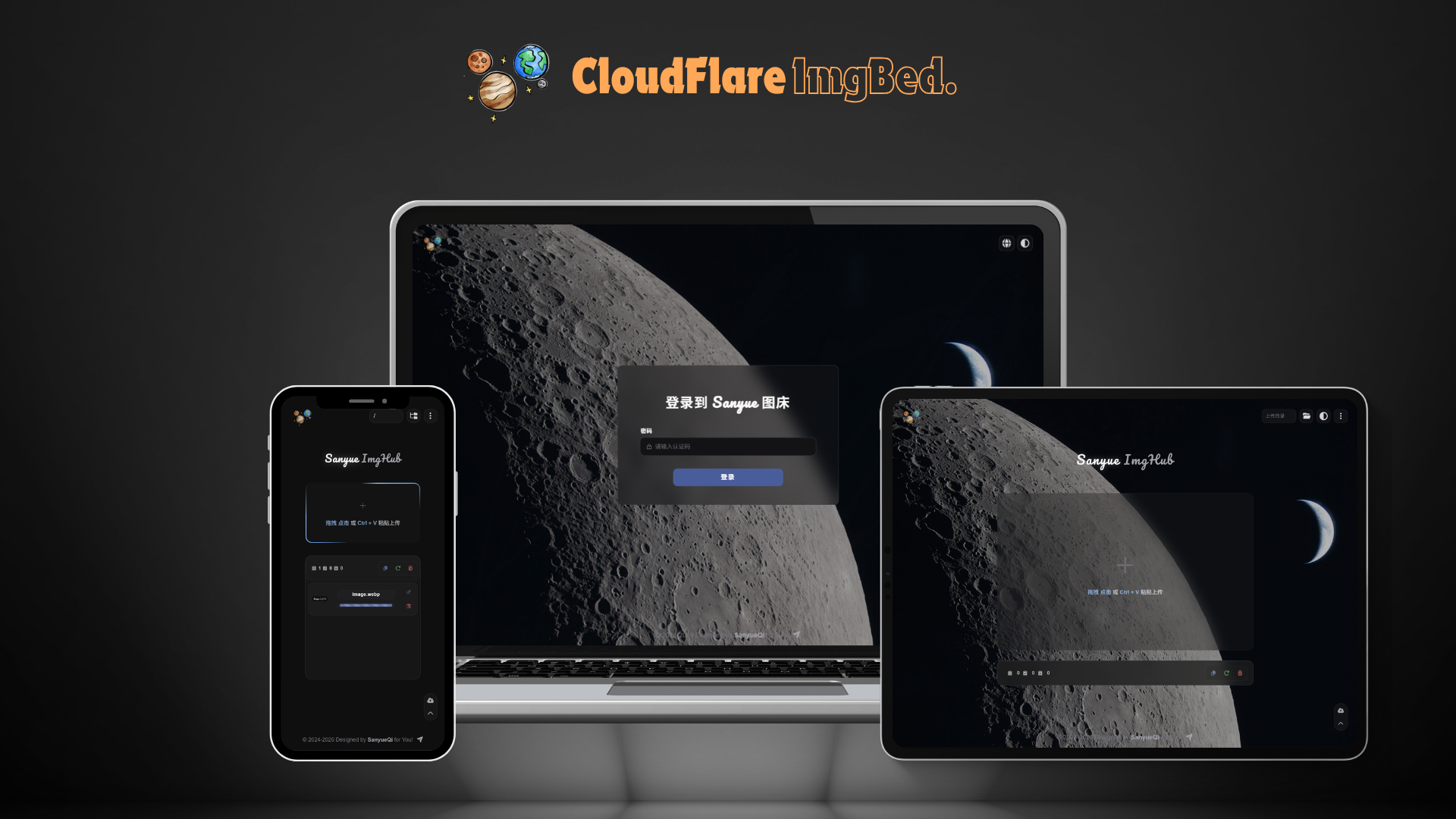
CloudFlare ImgBed is an MIT-licensed, JavaScript-based, serverless image and file hosting solution built on Cloudflare that gives individuals and small teams a self-hosted management interface for image hosting, secure file storage, and personal cloud drive use.
What it is
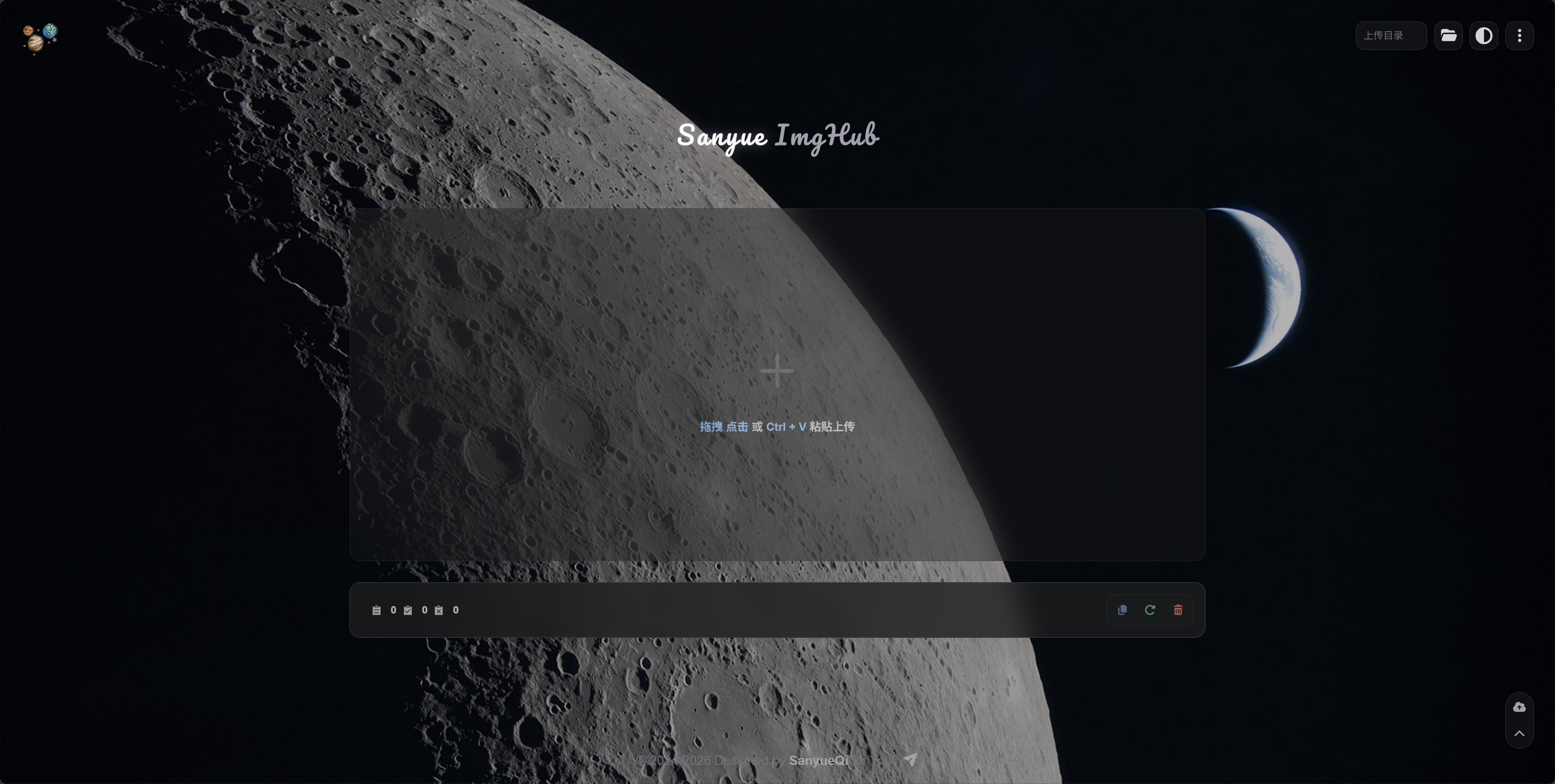
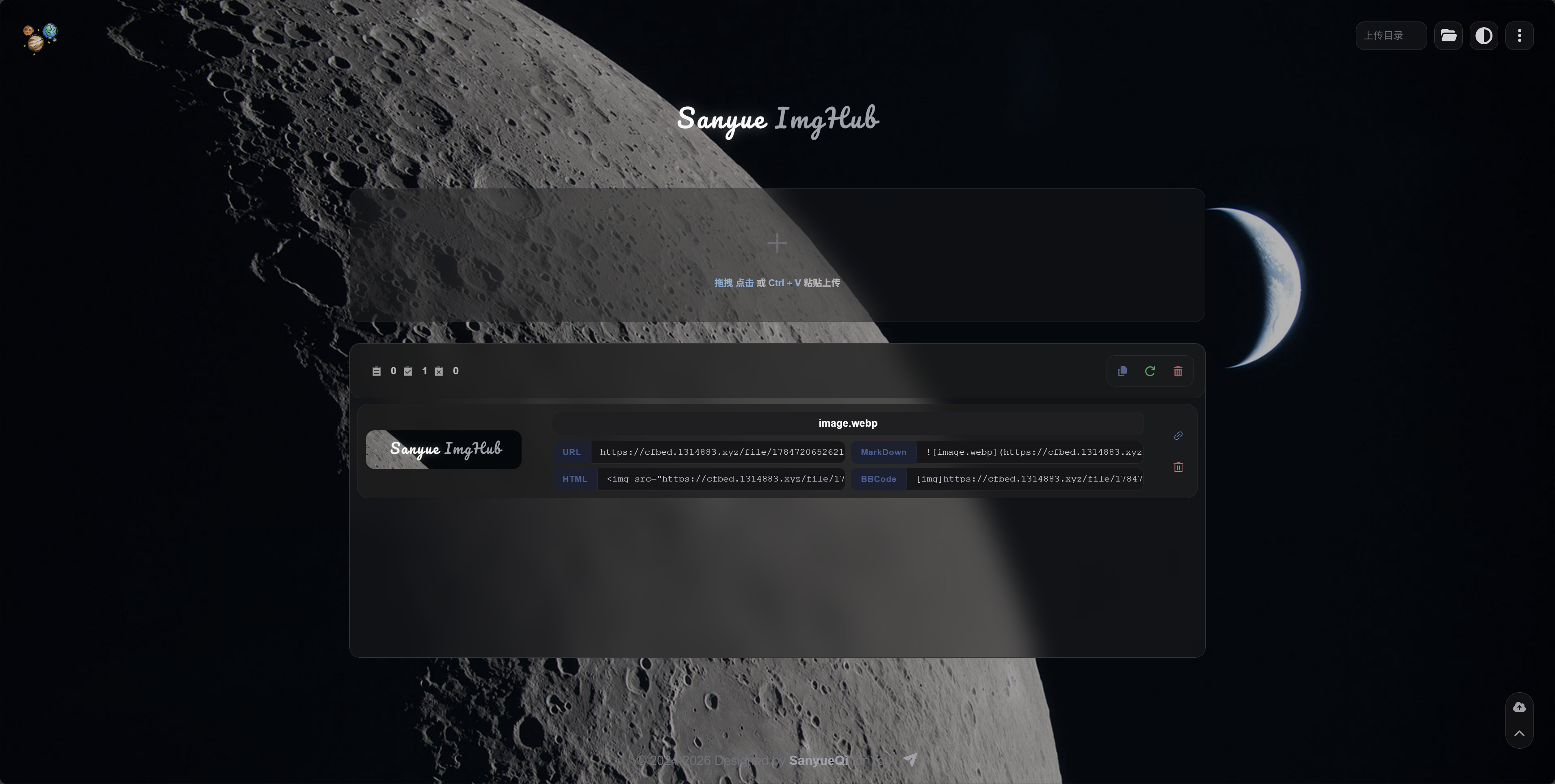
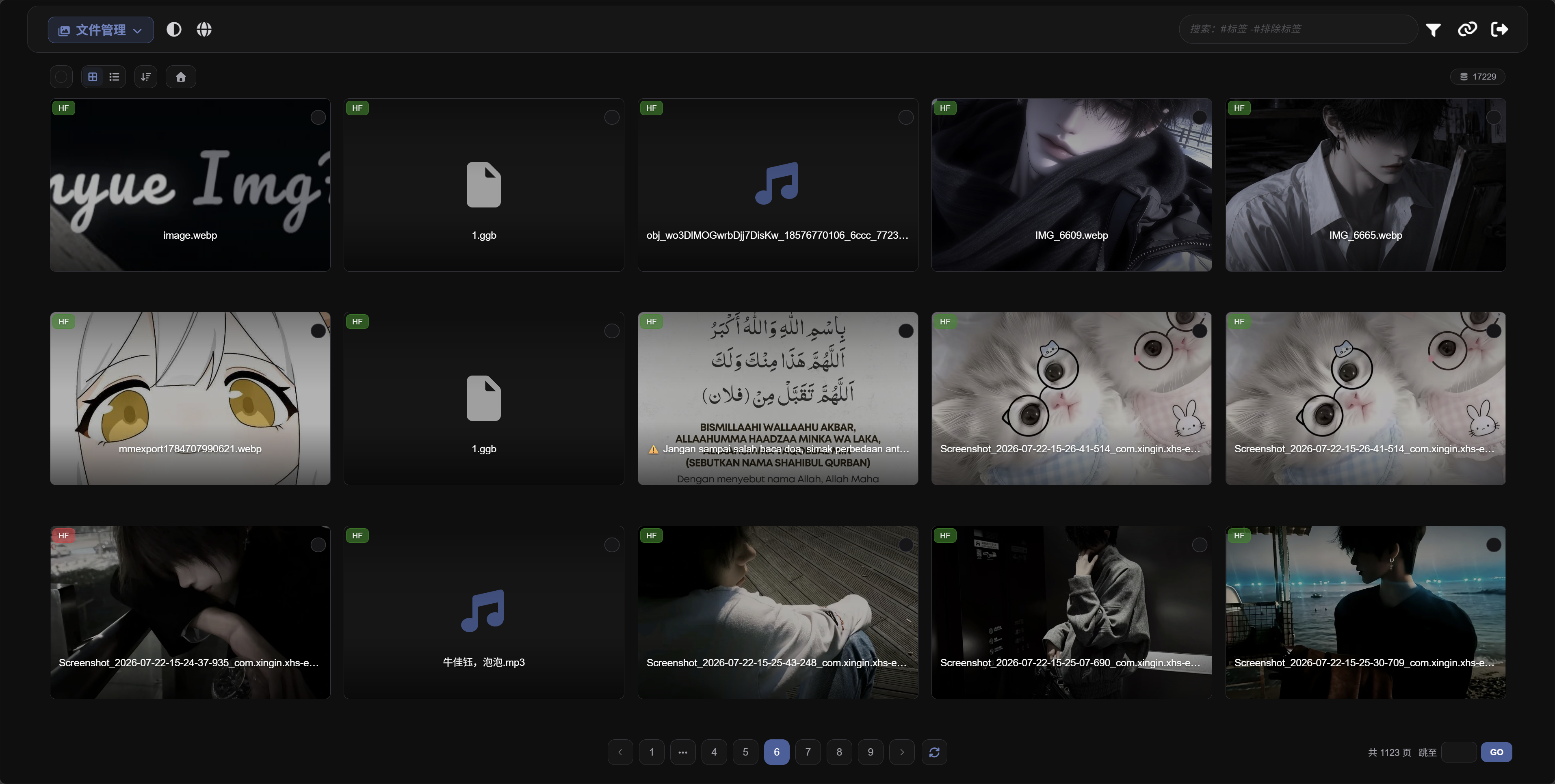
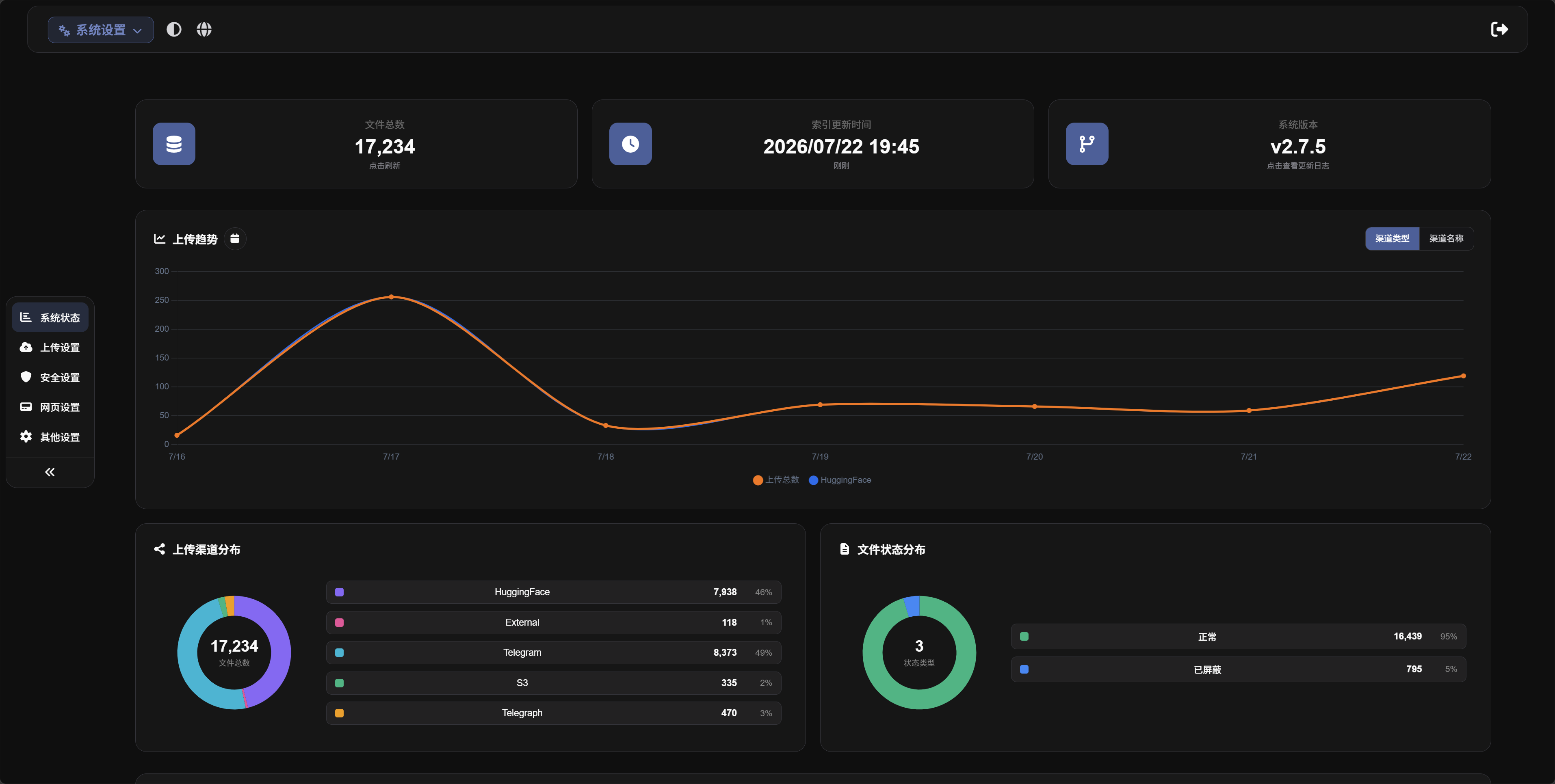
CloudFlare ImgBed is a self-hosted image and file hosting solution for Docker and serverless environments. It runs in the Cloudflare ecosystem, drawing on Cloudflare Workers, Cloudflare R2, and Cloudflare D1, and it brings Telegram, Discord, Cloudflare R2, S3-compatible storage, Hugging Face, and WebDAV into one management interface. On top of that interface it provides file management, authentication, directory organization, content moderation, a RESTful API, and WebDAV access. The project is written in JavaScript, licensed under MIT, and carries 6493 stars, 8245 forks, and 42 open issues.
The concrete problem it solves is fragmentation. Anyone storing images and files across several free or low-cost backends normally ends up juggling separate dashboards, separate credentials, and separate upload paths for each provider, with no shared directory structure, no single place to manage users, and no uniform way for other software to read and write files. CloudFlare ImgBed replaces that scattered arrangement with one self-hosted management layer that sits in front of the backends and exposes both a RESTful API and WebDAV, so blogs, note-taking tools, and other clients can point at a single endpoint rather than at individual storage services.
Key capabilities
- Unified storage across Telegram, Discord, Cloudflare R2, S3-compatible storage, Hugging Face, and WebDAV in one management interface.
- Deployment on the Cloudflare Workers edge runtime, with Cloudflare R2 and Cloudflare D1 as backing services.
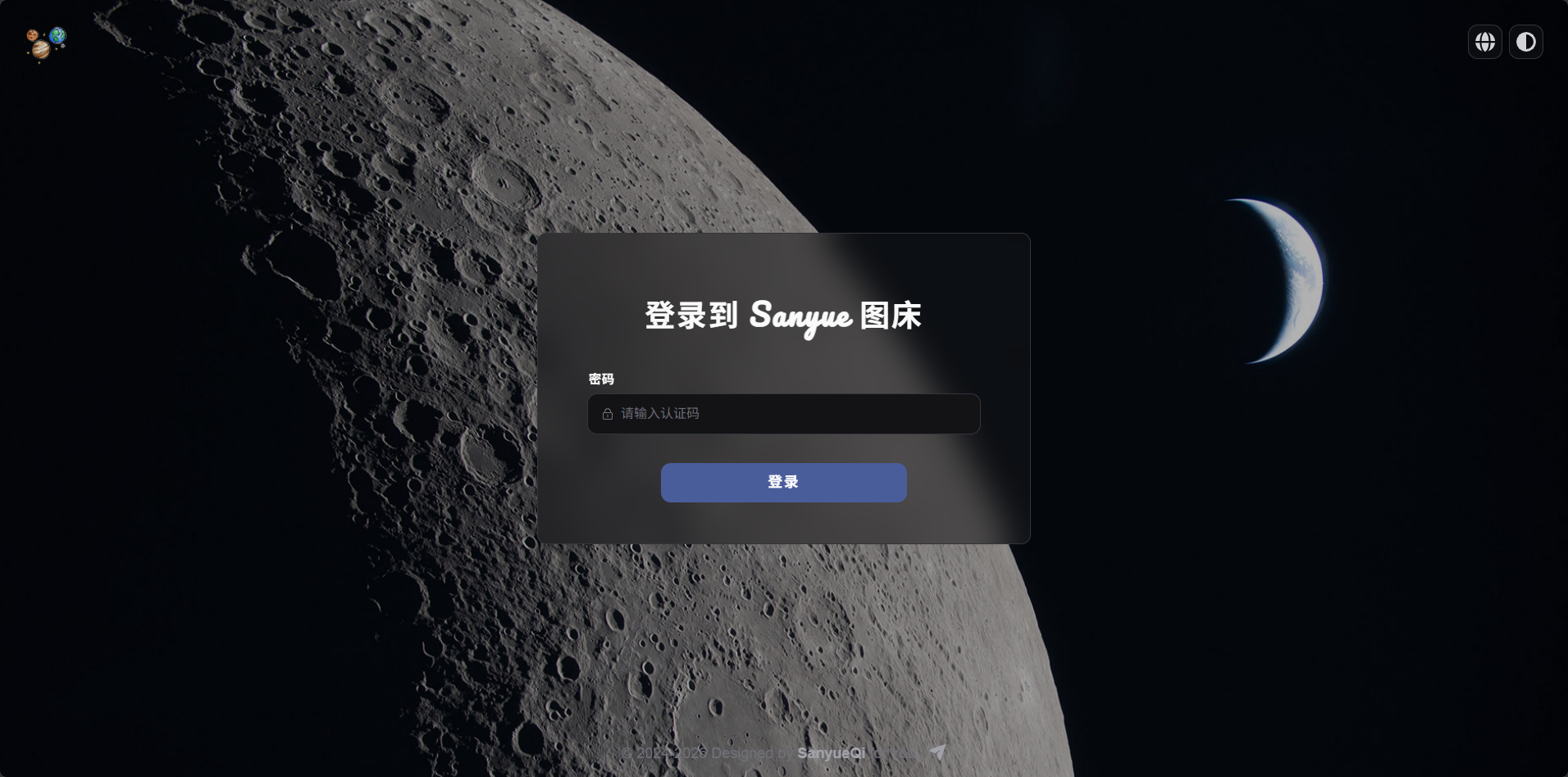
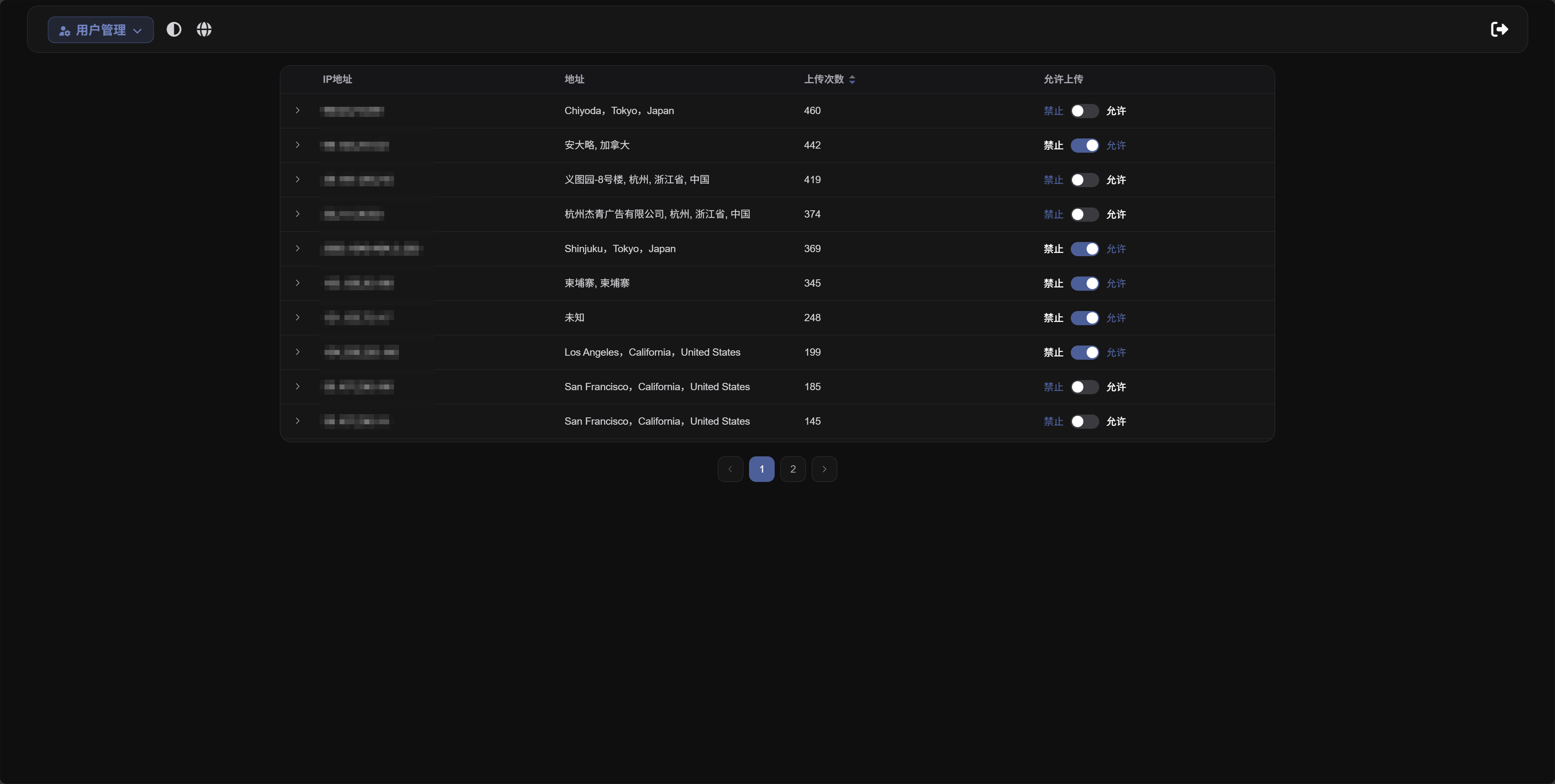
- Authentication, user management, directory organization, and content moderation built in.
- A RESTful API for programmatic upload and file management.
- WebDAV support for clients that read and write files over that protocol.
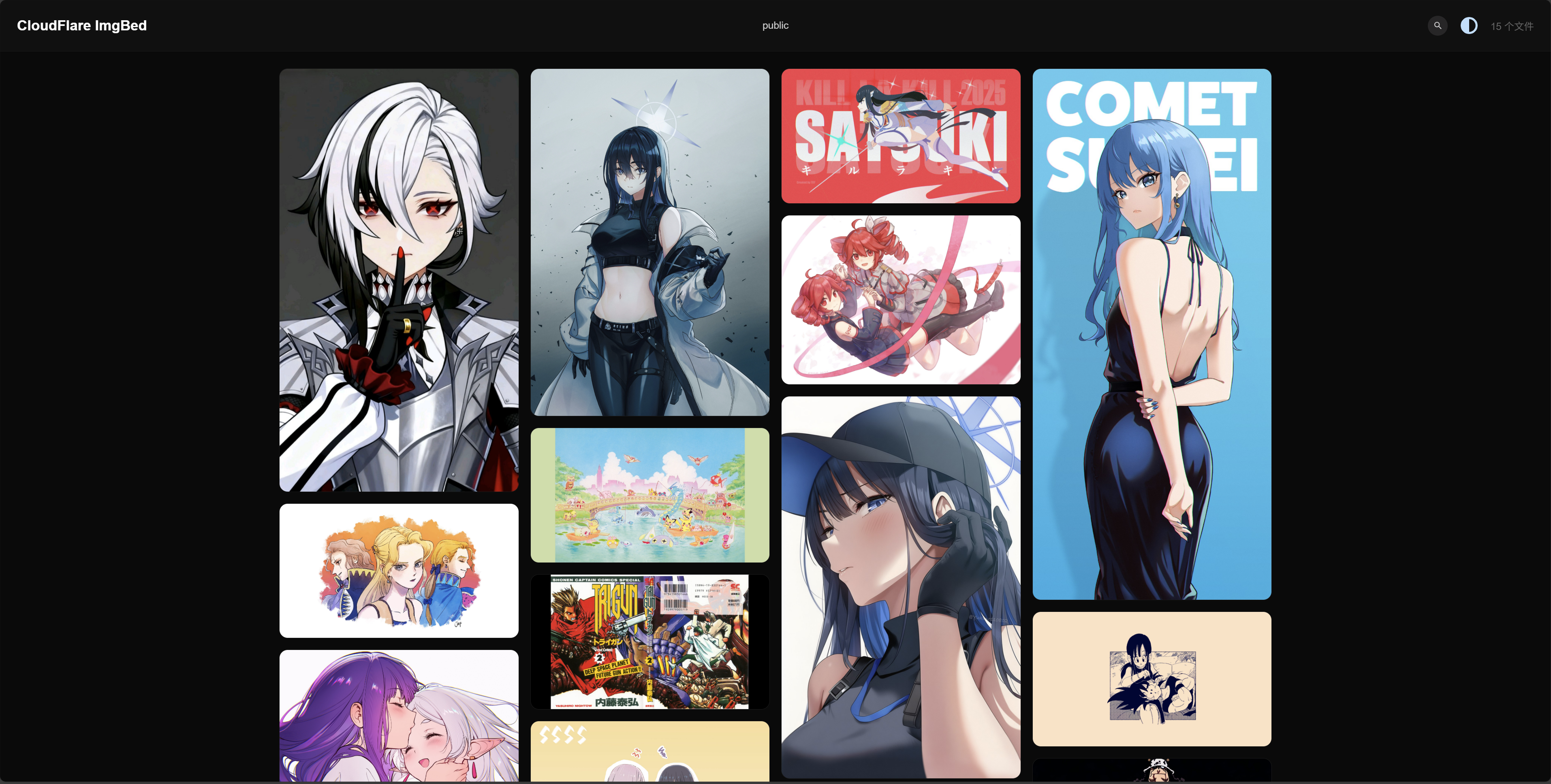
- A public gallery and image-gallery view for browsing hosted assets.
- Ecosystem integrations including browser extensions, Typecho, WordPress, and Obsidian plugins, OpenList drivers, desktop clients, bot tools, and AI agent applications.
Who uses it and how
- Individuals running personal image hosting or a personal cloud drive who want files stored on backends they control rather than on a third-party service.
- Site owners managing website assets and performing lightweight file distribution, including users linking the instance to Typecho, WordPress, or an Obsidian vault through the published integrations.
- Teams that prefer self-hosted deployment and want image and file storage arranged behind one authenticated interface with directory structure.
- Docker self-hosters who run the stack themselves, and serverless users who deploy through Cloudflare Workers instead of operating a server.
Getting started
The README describes deployment for Docker and for serverless environments, with the full deployment, storage configuration, RESTful API, WebDAV, upgrade, and troubleshooting instructions in the documentation at cfbed.sanyue.de/en. A live demo is available at cfbed.1314883.xyz with access password cfbed.
How it compares
The facts provided do not name any paid products that this project replaces, and they do not name comparable tools in this category. It stands alone in this registry.
When to use it — and when not to
A self-hoster must operate a Cloudflare account with Workers, R2, and D1, plus obtain and maintain credentials or tokens for whichever storage backends are connected, such as Telegram, Discord, S3-compatible storage, Hugging Face, or WebDAV, along with the authentication layer. Anyone who wants a fully managed service with no infrastructure to run should not pick it. The README also warns that important notifications and non-compatible updates are explained in the announcement category, which means upgrades require tracking announcements before applying them.