burrow is a free, open source system cleanup & optimization project written in Swift and released under MIT. It has 1,429 GitHub stars, 176 forks and 58 open issues, and was last pushed 18 hours ago. On this registry it ranks #11 of 15 tracked projects in System Cleanup & Optimization, with 5 head-to-head comparisons available.

What is burrow?

Burrow is a free, open-source (MIT), native macOS app that combines junk cleanup, app management, maintenance, disk analysis, and live system status in one window, with a built-in MCP server so AI agents such as Claude Code, Codex, and Cursor can query and care for the same machine.

What it is

Burrow is an independent open-source project released under the MIT license and written in Swift with SwiftUI. It bundles its own engine, burrow-engine, a single source-available binary under the Functional Source License (FSL-1.1-ALv2) whose command surface is modelled on the Mole (mo) CLI by tw93. The app wraps that binary in a native desktop interface and is not affiliated with or endorsed by mole.fit, the official Mole for Mac app; Burrow's name, mark, palette, and copy are original.

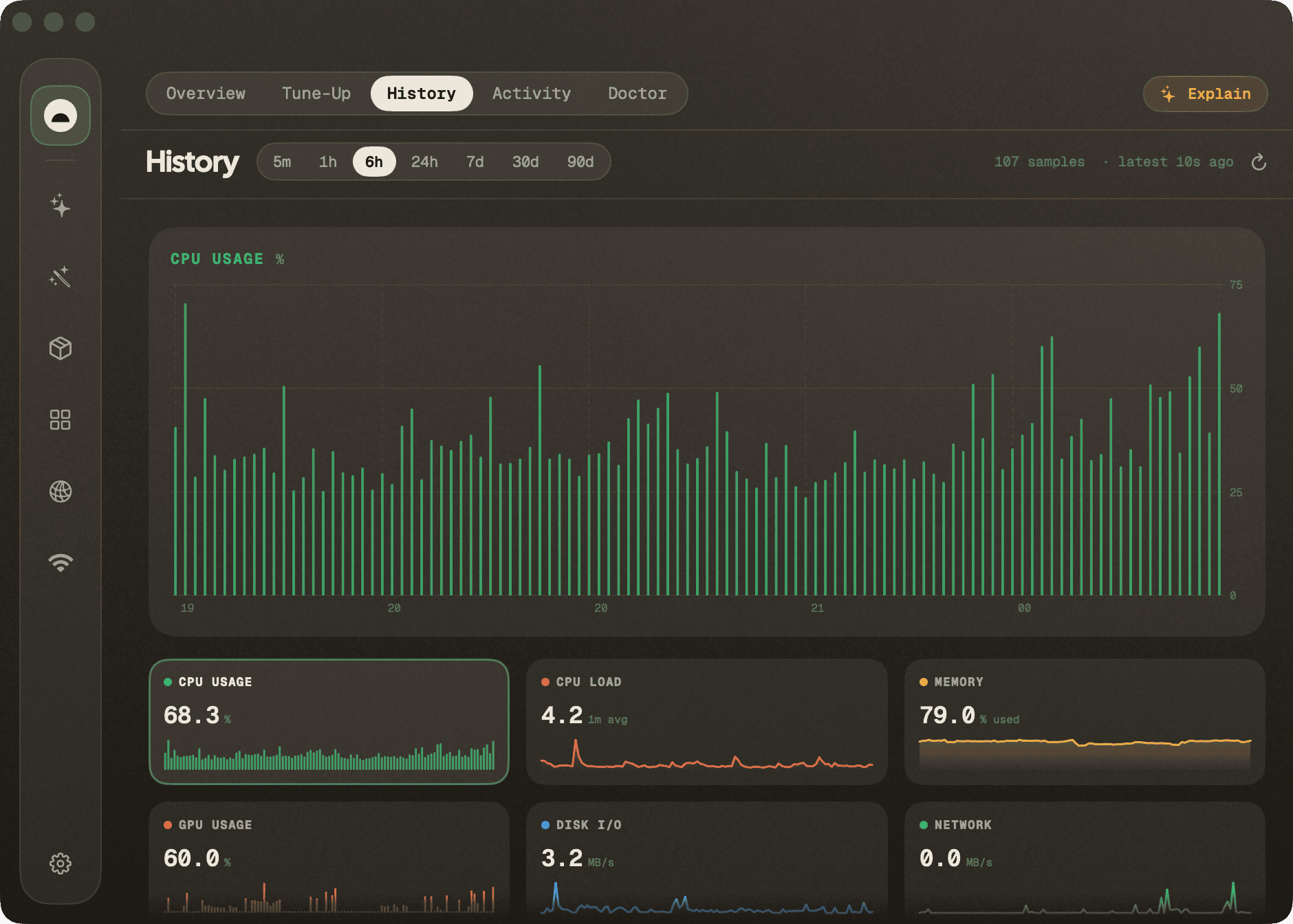
The problem it solves is fragmentation. Instead of juggling a separate cleaner, uninstaller, disk analyzer, and status monitor, a user installs one Homebrew cask and gets the mo-style command surface behind a graphical app, with nothing else to install. On top of the engine, Burrow adds two things the CLI lacks: a long-running local history of machine metrics, and a built-in MCP server that exposes that history and the tooling to AI agents. The project lives in the macOS ecosystem and also carries a Windows preview under windows/.

Key capabilities

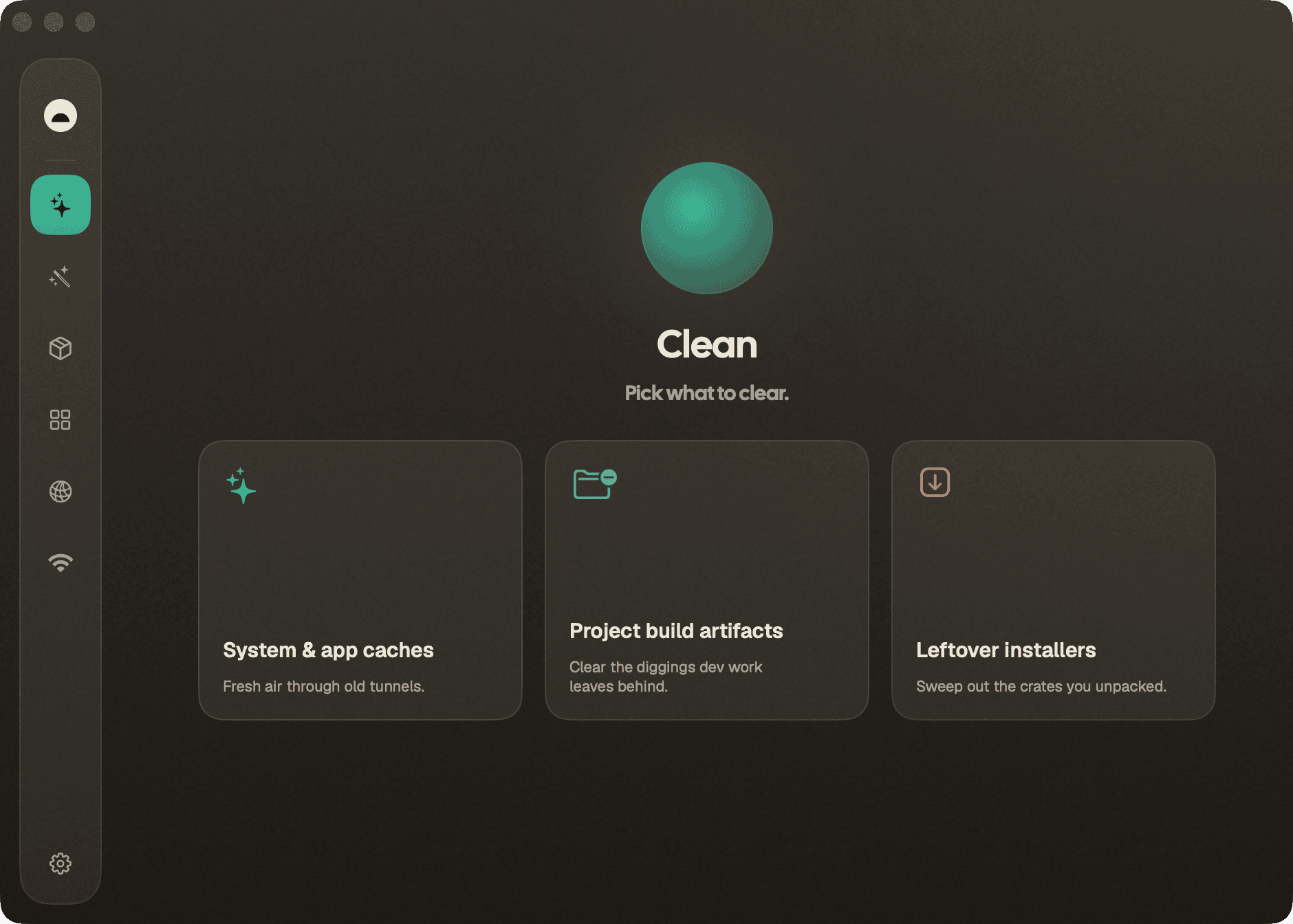
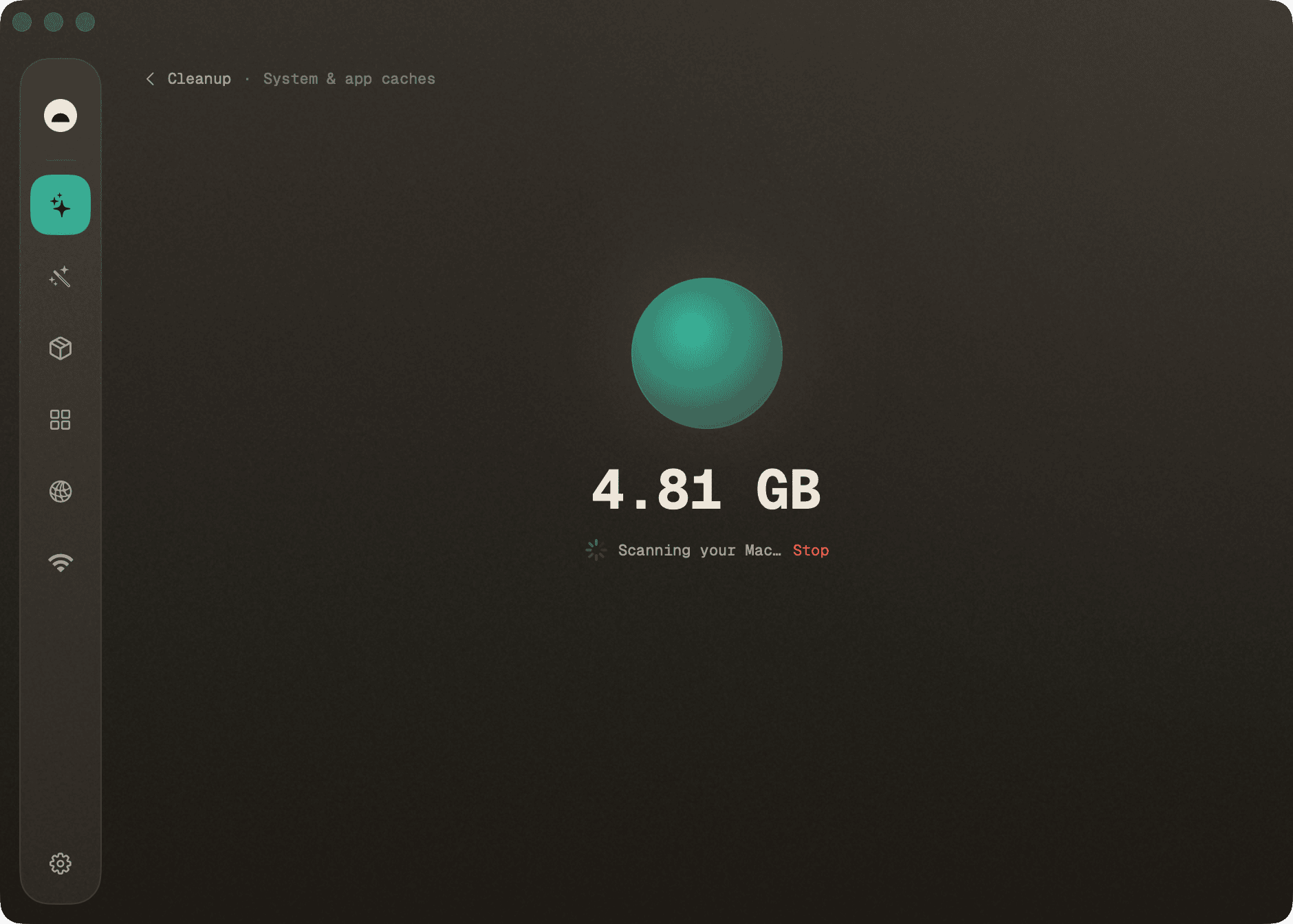
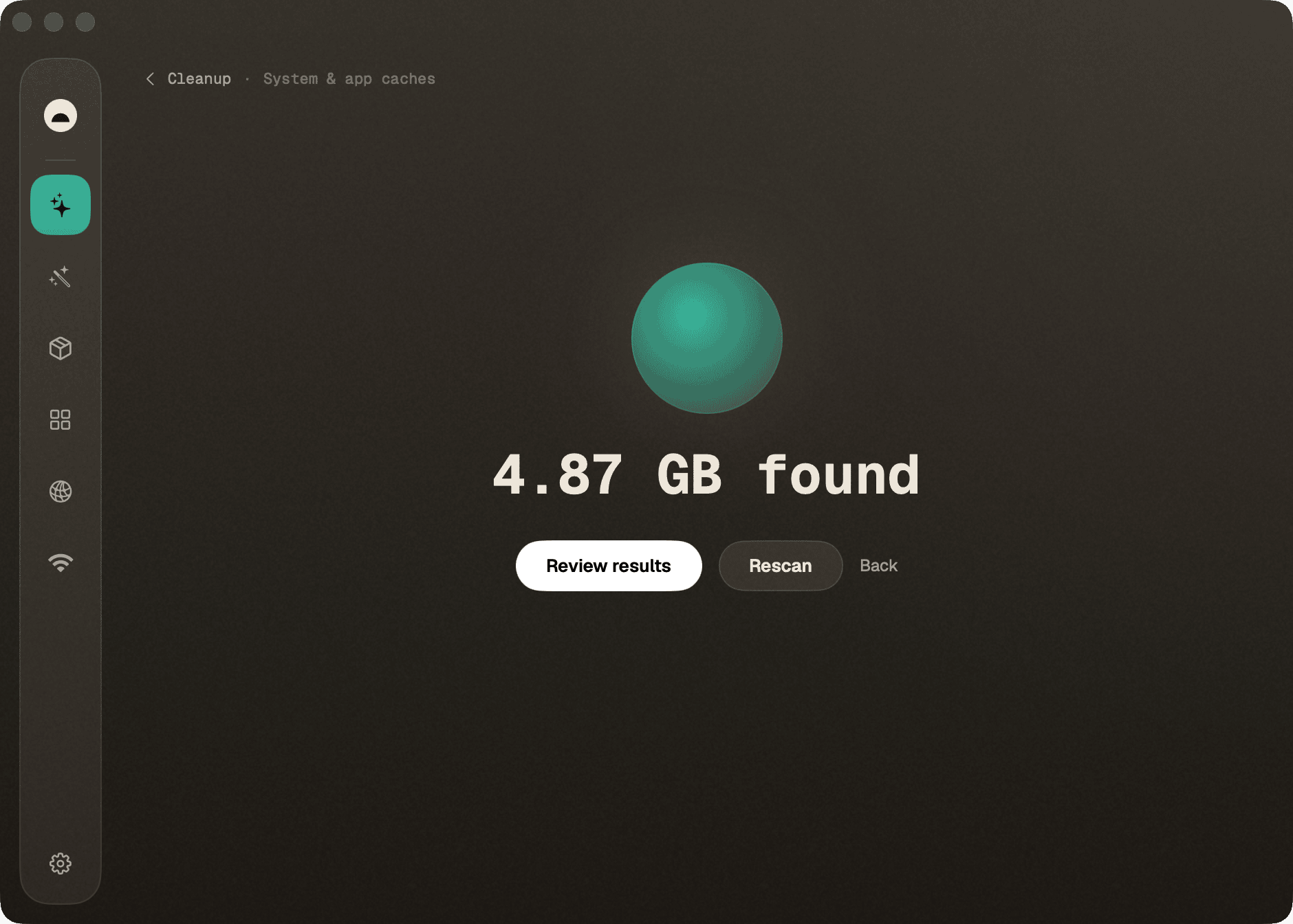
  • Cleanup: preview what is reclaimable, then remove categorized caches, logs, and leftovers for real, mirroring mo clean.
  • Purge: reclaim space from developer artifacts and sweep leftover installers.
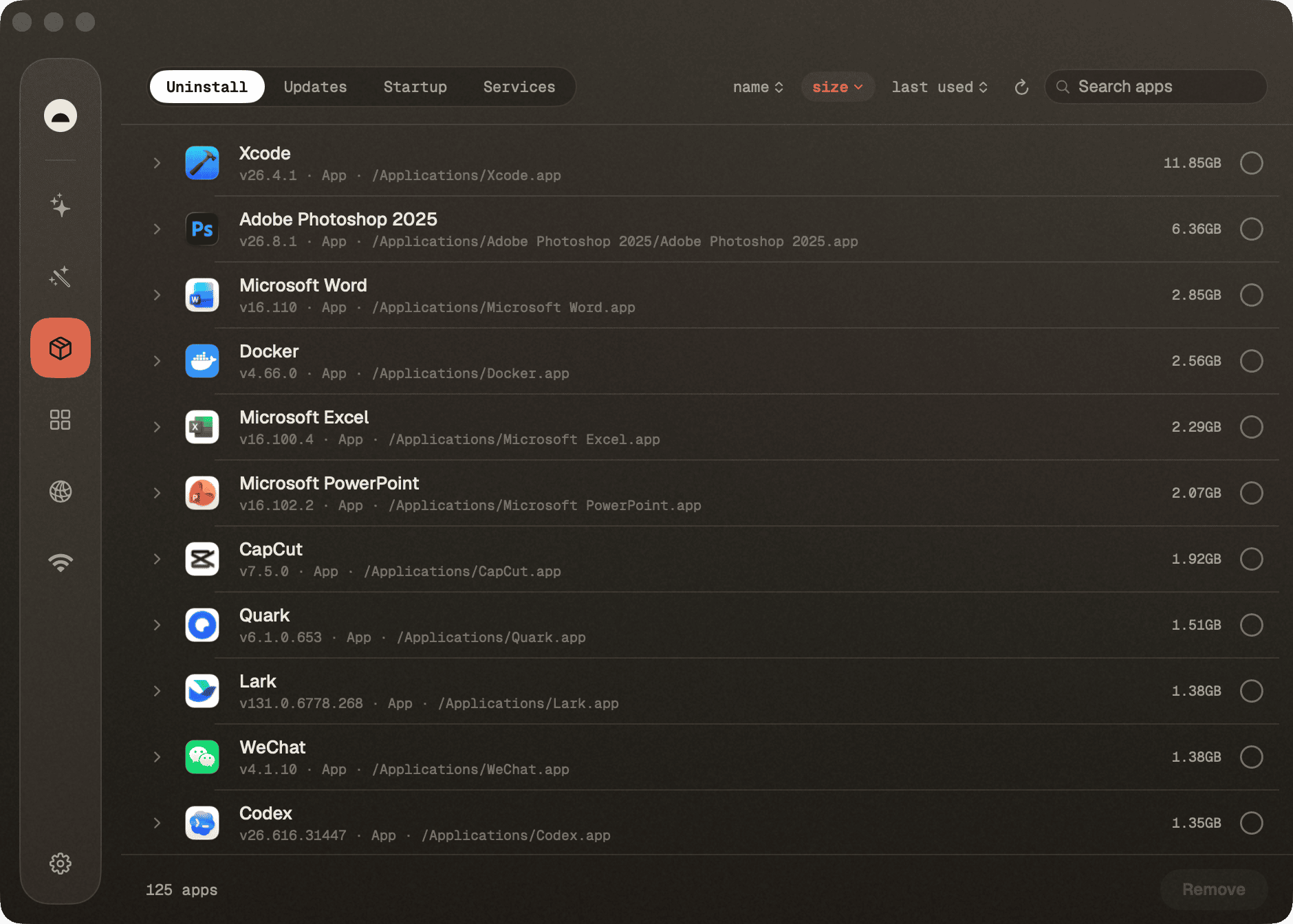
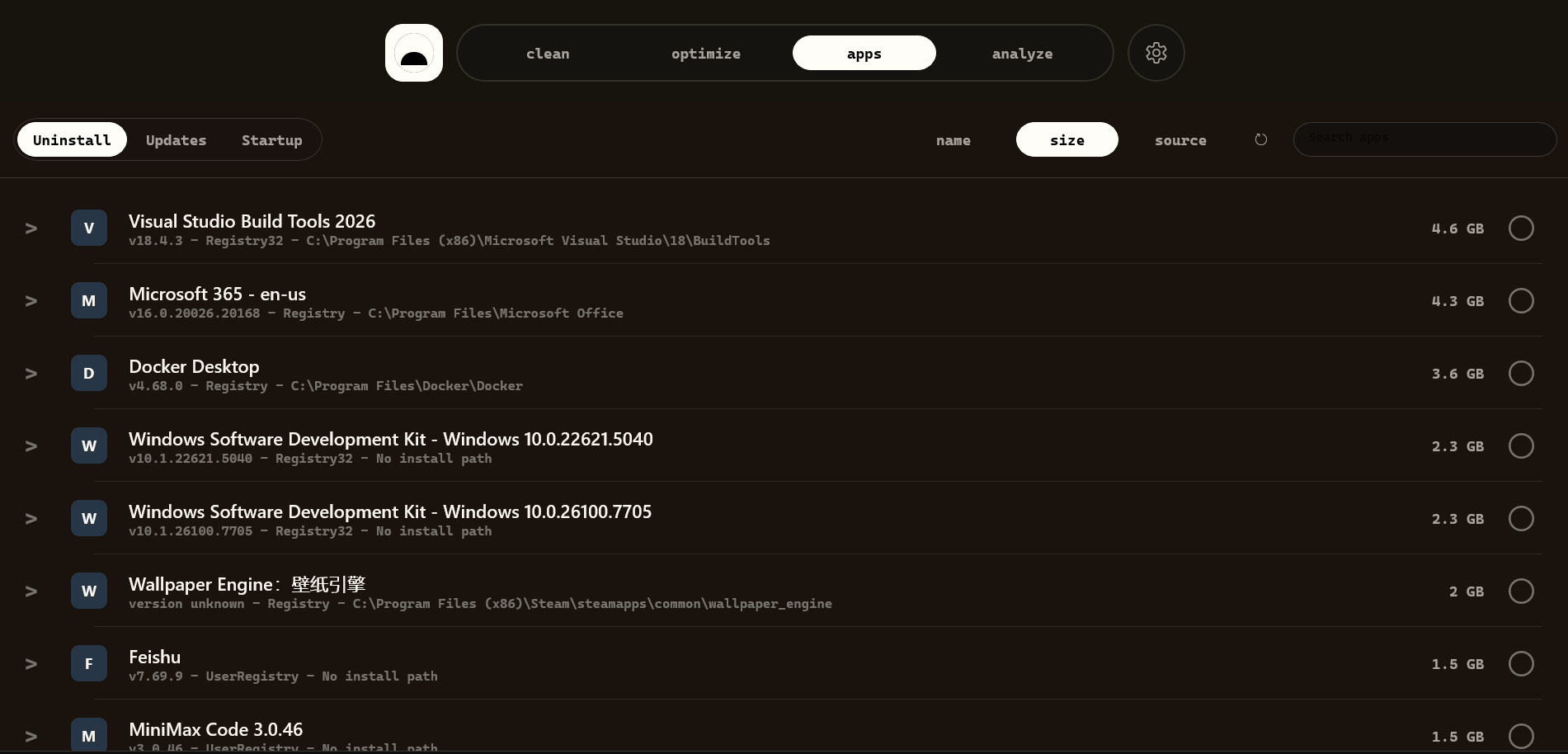
  • App uninstall with leftover removal, so removing an application also clears the files it left behind.
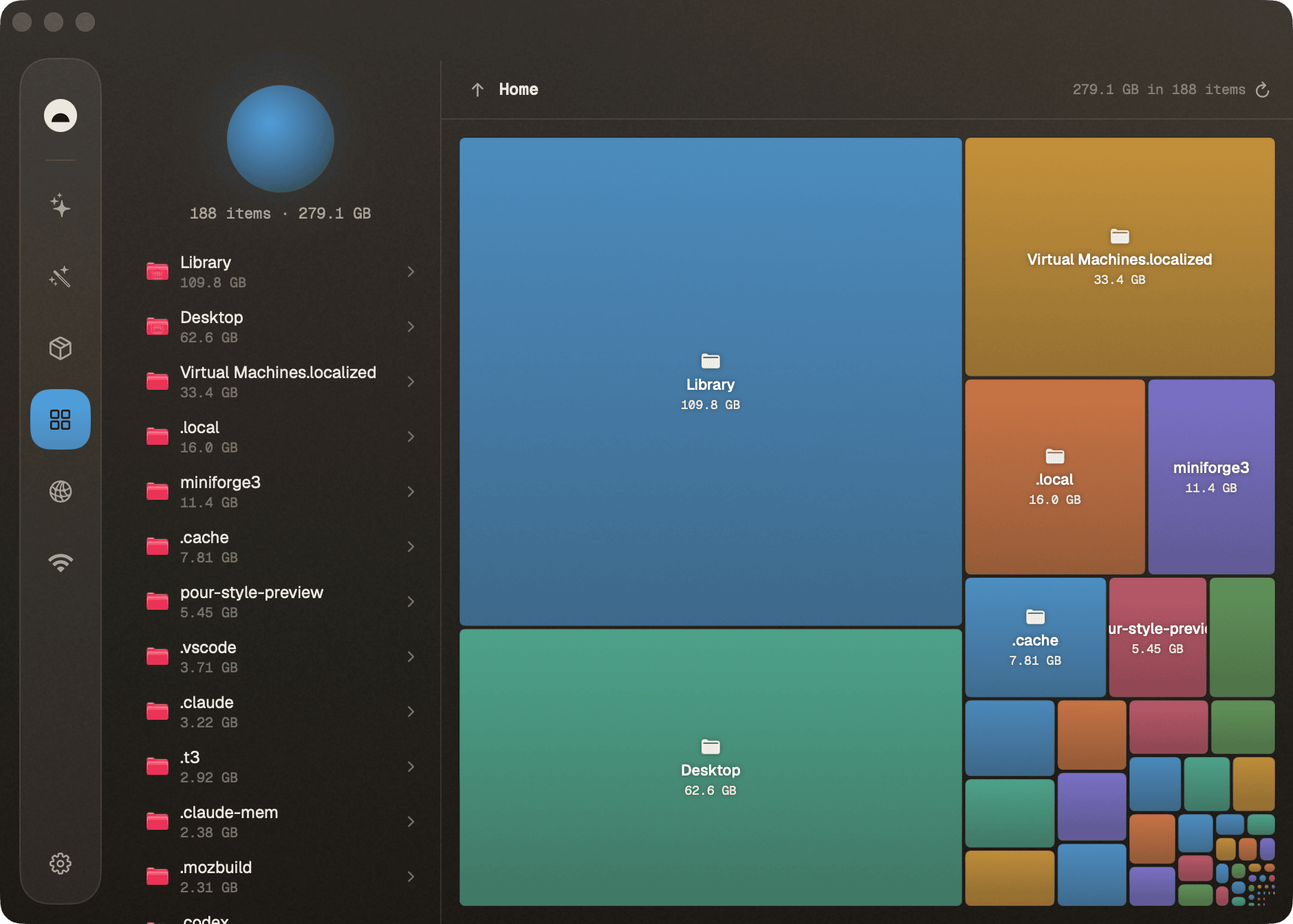
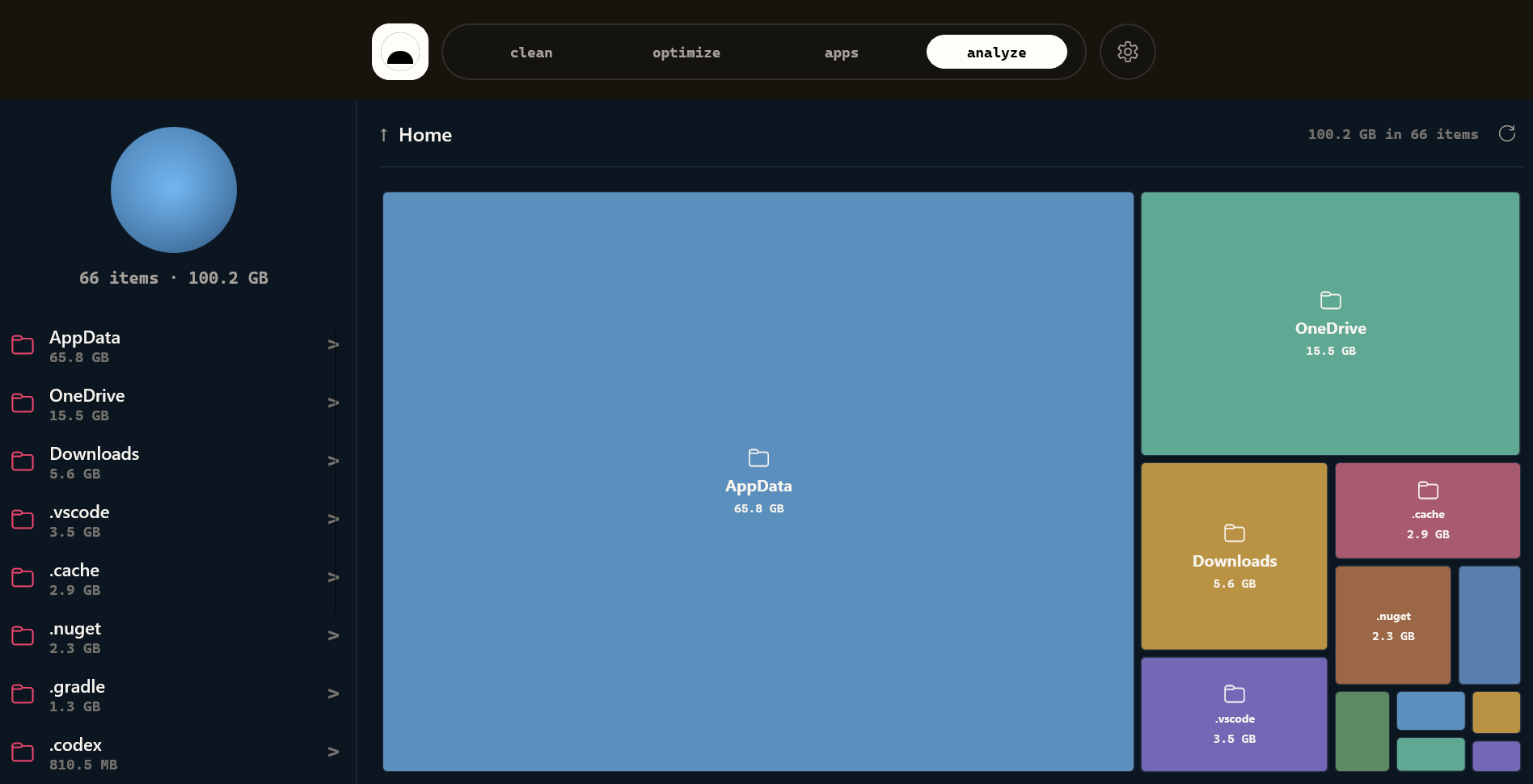
  • Disk analysis: disk maps and duplicate finding; the Windows preview adds read-only duplicate detection.
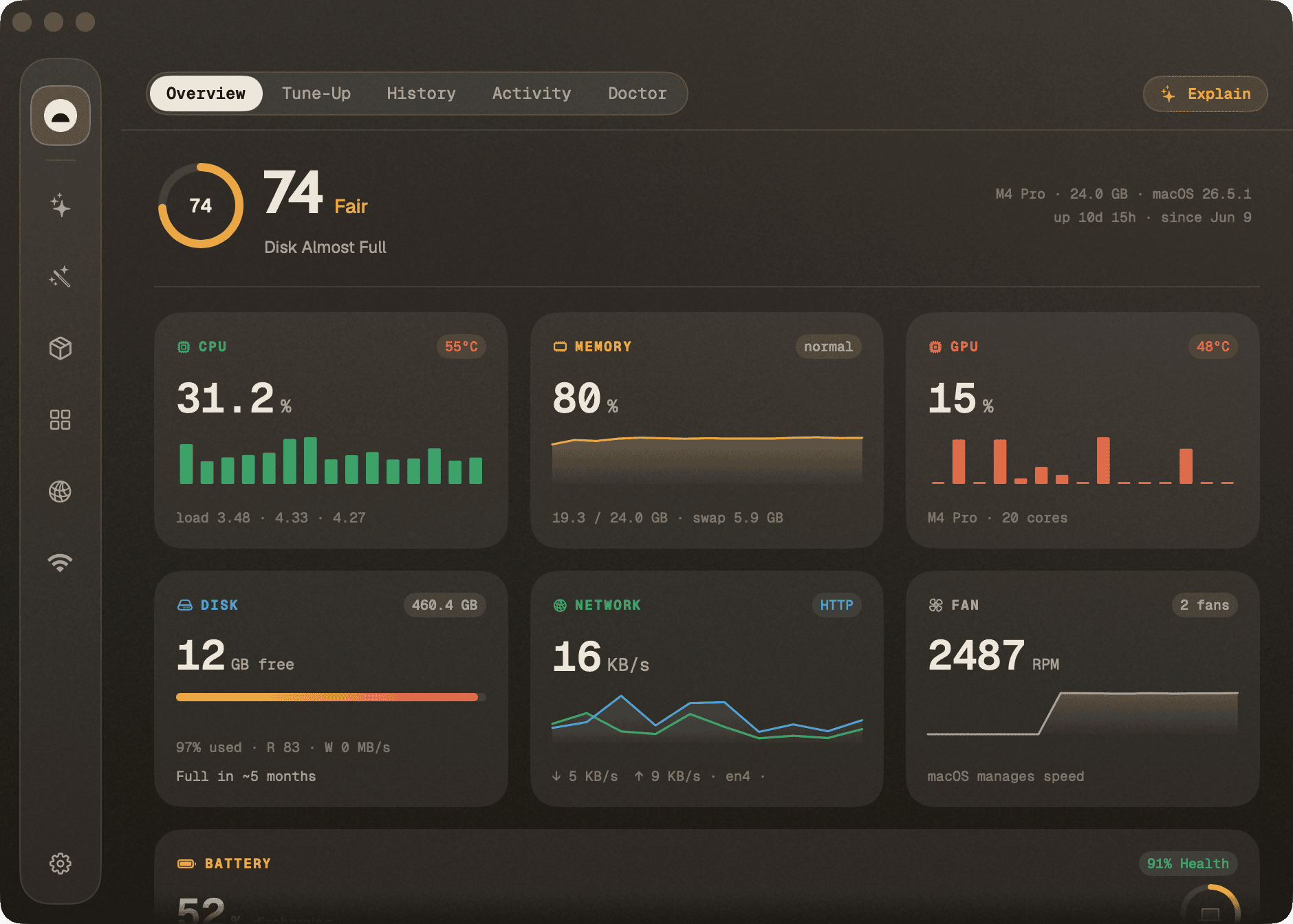
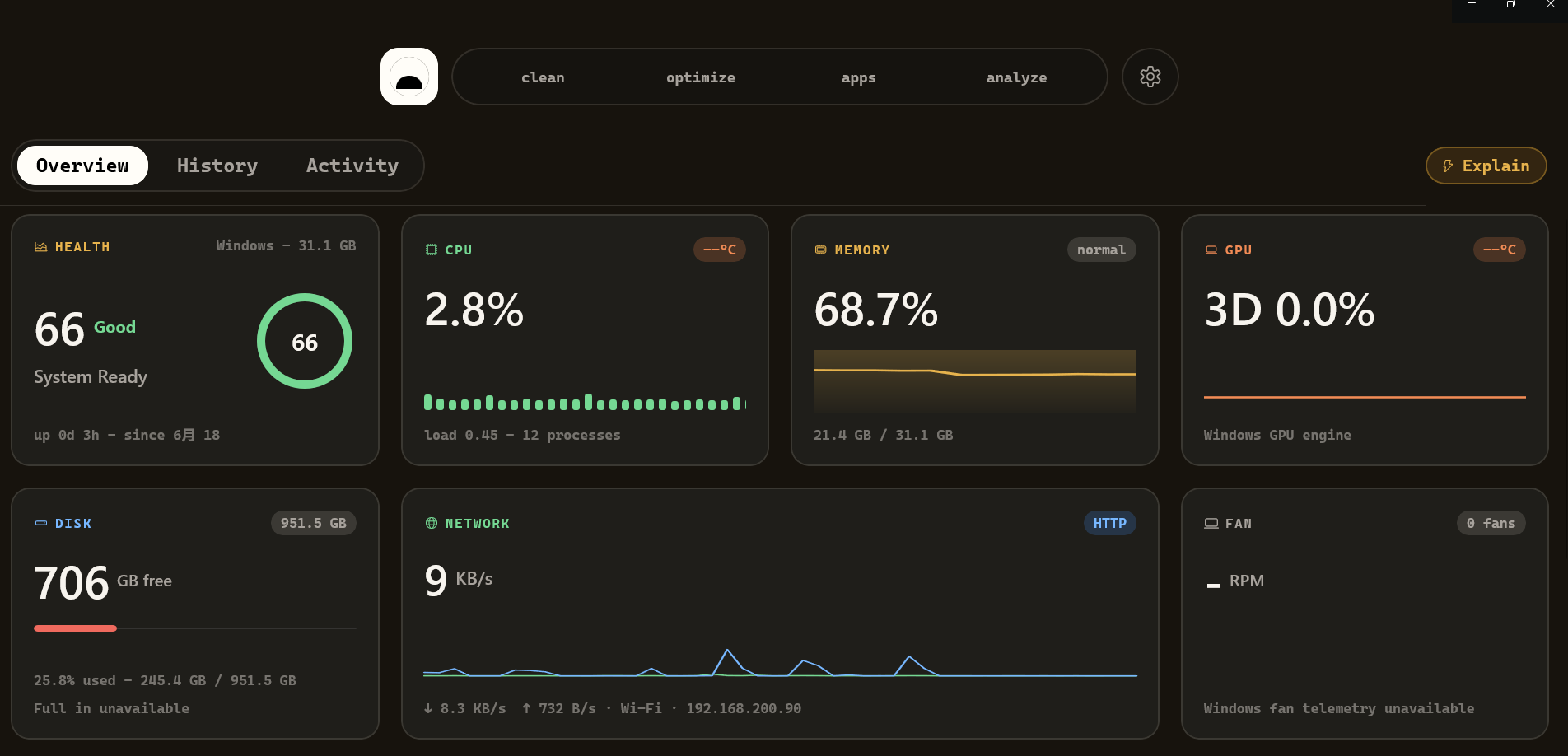
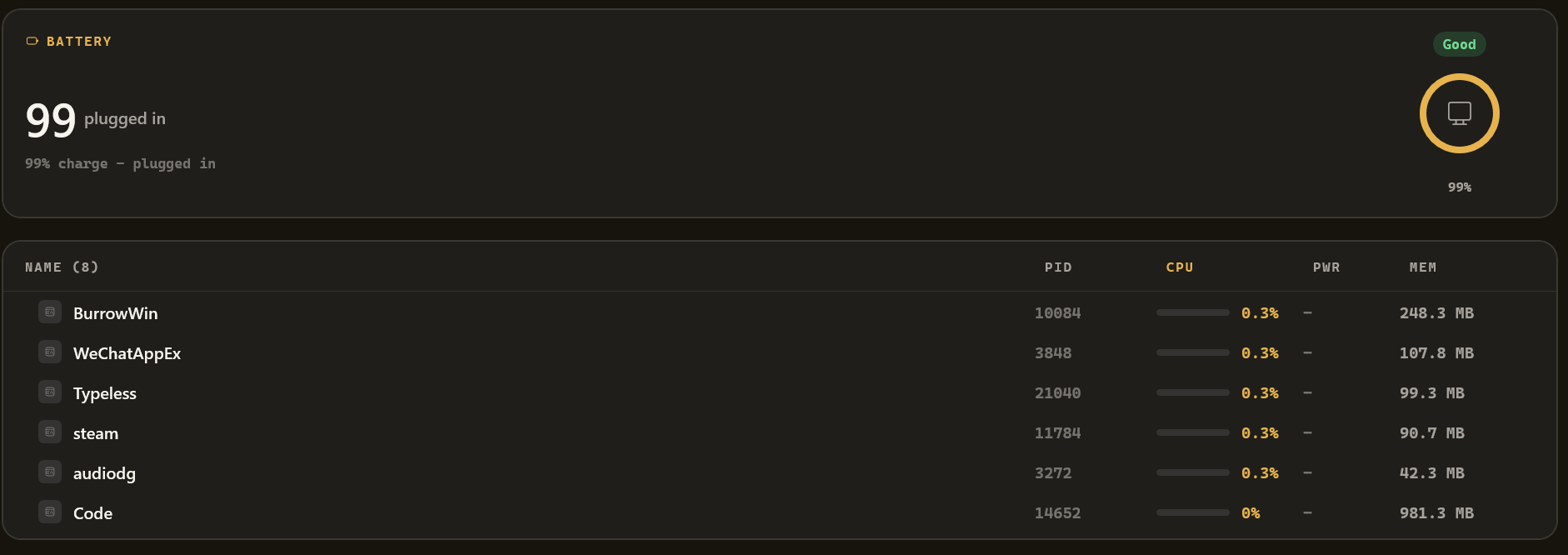
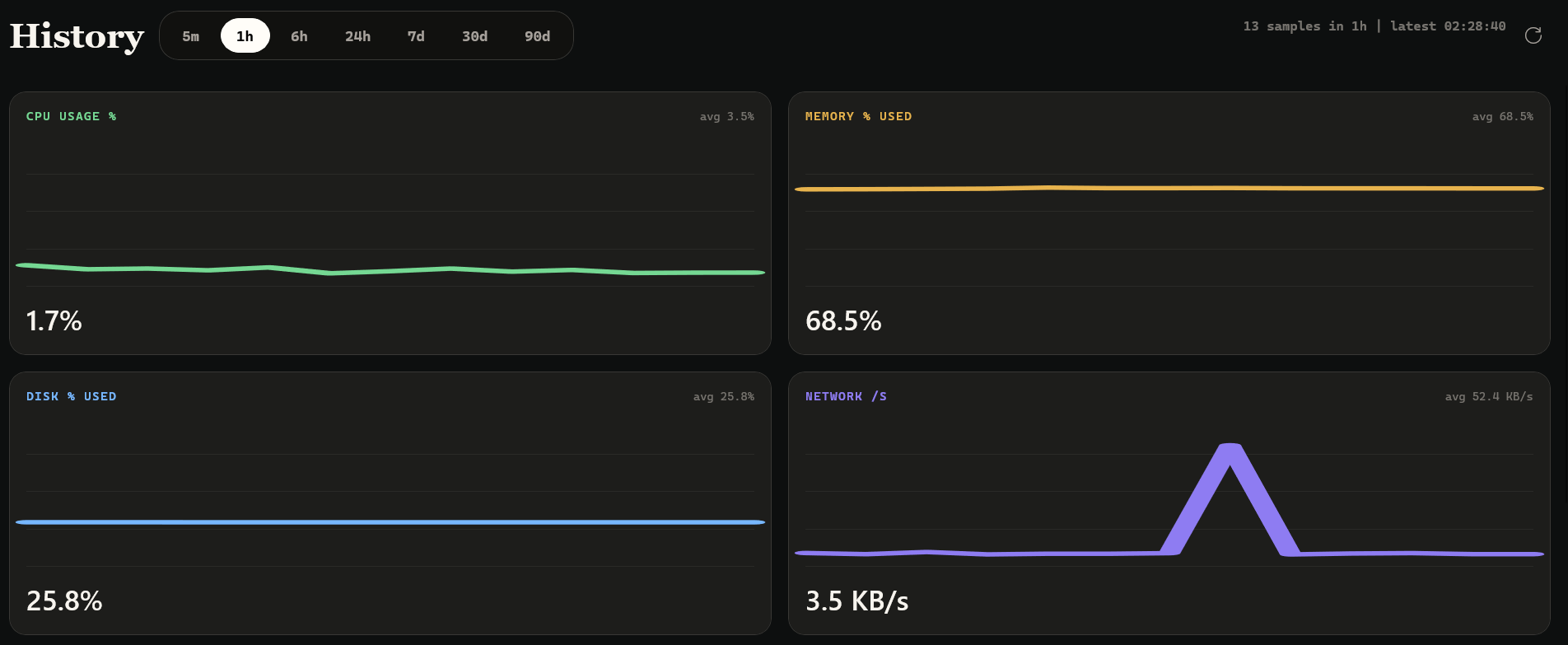
  • Status: a live dashboard with per-metric sparklines and a sortable, pinnable process table, mirroring mo status --json.
  • Local history: months of machine metrics kept in a local store, queryable by the app and by agents.
  • MCP server: any MCP-capable agent (Claude Code, Cursor, Codex) can query machine state; actions are consent-gated and audited, Trash-based removals stay recoverable until the Trash is emptied, and permanent deletion requires separate consent and cannot be undone.

Who uses it and how

  • Mac users who want one free app for cleanup, app removal, disk maps, and monitoring instead of several separate utilities.
  • Developers who accumulate build artifacts and stale installers; purge and installer sweep target those directly.
  • AI-agent users who point Claude Code, Codex, Cursor, or a local model through LM Studio at the MCP server; agents can notice low disk space and run consent-gated cleanup without being asked.
  • Privacy-conscious users who want months of metric history in a local store rather than a cloud service.
  • Windows users on the preview path: native WinUI 3 / .NET 8 preview with telemetry, history, tray HUD, loopback HTTP, and MCP stdio bridge, plus an Electron + React rewrite in windows/typescript/ with live telemetry, local history, reviewed artifact/installer recycling, disk analysis, and read-only duplicate detection; gaps tracked in windows/typescript/MIGRATION.md.

Getting started

On macOS, install with brew install --cask caezium/tap/burrow. On Windows, download from the releases page. Full Disk Access permission is needed on macOS.

How it compares

Burrow is modelled on the Mole (mo) CLI by tw93 but ships as a graphical app with a bundled engine, local metric history, and an MCP server the CLI lacks. It is separate from mole.fit, the paid ($19) official Mole for Mac app, which the README recommends buying to fund mo's development; the app is MIT while the bundled burrow-engine binary is source-available under FSL-1.1-ALv2.

When to use it β€” and when not to

Self-hosters must grant Full Disk Access and accept that the engine binary is source-available FSL-1.1 rather than MIT, even though the app itself is MIT. Permanent deletion needs separate consent and cannot be undone, and Trash-based removals are recoverable only until the Trash is emptied. The Windows side is a preview with unsigned release packaging and documented capability gaps, so it is not yet at parity with the mature macOS flagship.

project readme (upstream, from github) β€” read inline

Burrow is an independent open-source (MIT) app. It bundles its own engine β€” burrow-engine, a single source-available binary under the Functional Source License (FSL-1.1-ALv2) whose command surface is modelled on the Mole (mo) CLI by tw93 β€” and is not affiliated with or endorsed by mole.fit (the official Mole for Mac app by mo's author); its own name, mark, palette, and copy are original.

If you like Mole and want to fund mo's development β€” buy mole.fit ($19).

burrow

🐹 The open-source system companion for your Mac β€” clean, uninstall, analyze, optimize, and monitor, built for you and your AI agents.

Stars Version Downloads macOS 14+ Windows beta License: MIT

caezium%2FBurrow | Trendshift caezium/Burrow on Trendshift caezium%2FBurrow | Trendshift

Burrow puts everything your Mac needs in one free, native app: junk cleanup, dev-artifact purge, app uninstall with leftover removal, duplicate finding, safe maintenance, disk maps, and live system status β€” powered by one bundled engine binary (burrow-engine, FSL-1.1 β€” see Attribution) whose commands mirror Mole's mo, so there's nothing else to install. It keeps months of local metric history and runs a built-in MCP server, so AI agents like Claude Code, Codex, and Cursor can watch, query, and care for your Mac β€” actions are consent-gated and audited, and Trash-based removals remain recoverable until the Trash is emptied. Permanent deletion requires separate consent and cannot be undone. Native on macOS, with a Windows preview under windows/.

Mac:

brew install --cask caezium/tap/burrow

Windows: download from releases

Contents

Screenshots

macOS

Software β€” Homebrew app updates
Settings

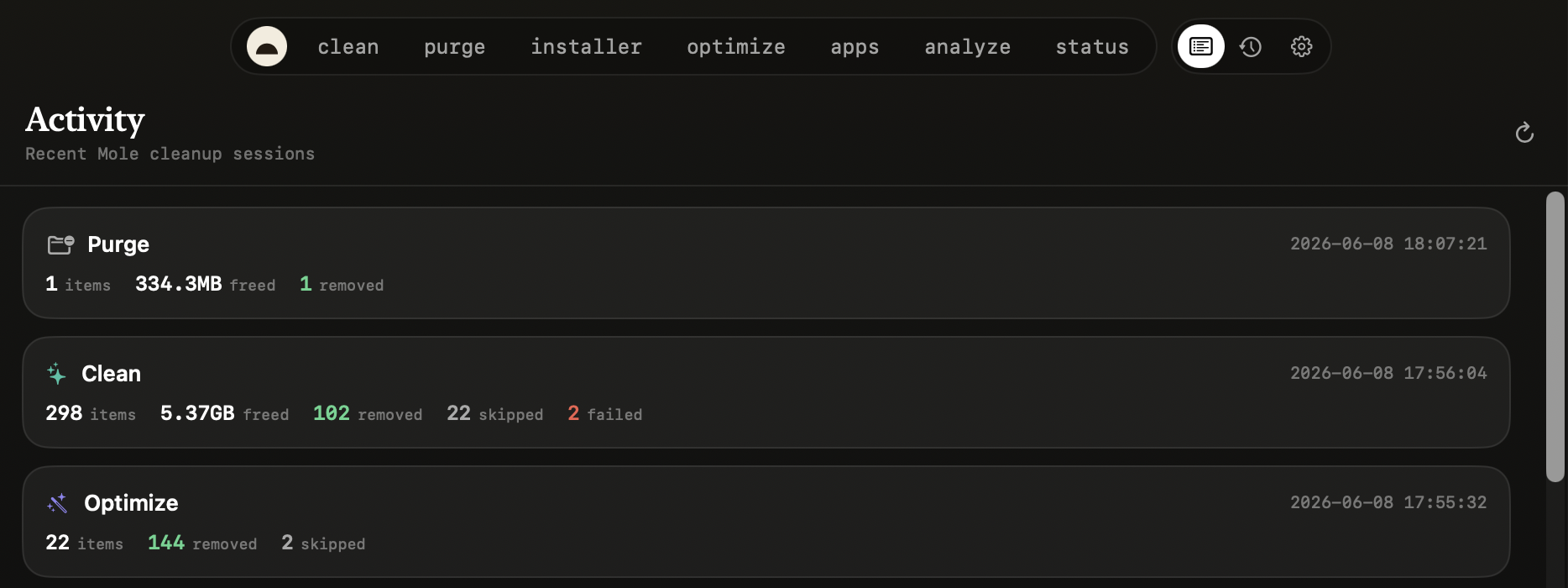
Activity β€” a running log of cleans, optimizes, and scans, plus anything in flight

Explain with AI β€” point an MCP-capable agent (Claude Code, or a local model via LM Studio) at Burrow and ask your Mac in plain language.
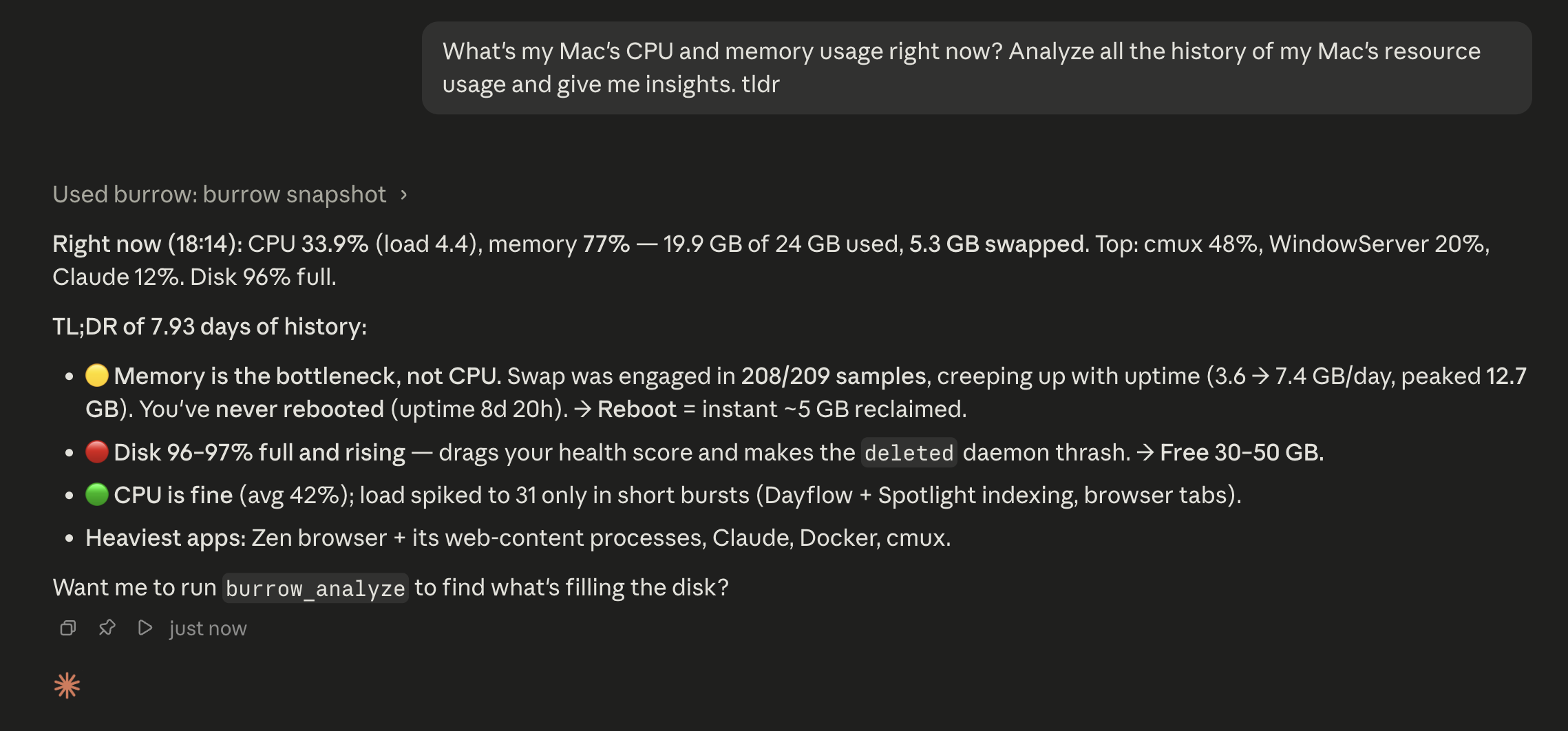
Explain with AI β€” burrow_snapshot analyzed in plain language When doing other tasks with AI Agents, if they find something irregular with your system, for example low disk space, they will have the tools to automatically disect the problem, and perform secure cleanups for you proactively and autonomously, without you having to ask.
image

Menu-bar HUD β€” health, metric tiles, top processes, and live job status

Windows preview

Windows TypeScript rewrite: An initial Electron + React implementation that follows the current macOS UI is available in windows/typescript/. It includes live telemetry, local history, reviewed artifact/installer recycling, disk analysis, and read-only duplicate detection. The existing WinUI preview remains alongside it. See the migration status for capability gaps and Windows validation requirements.

The tools

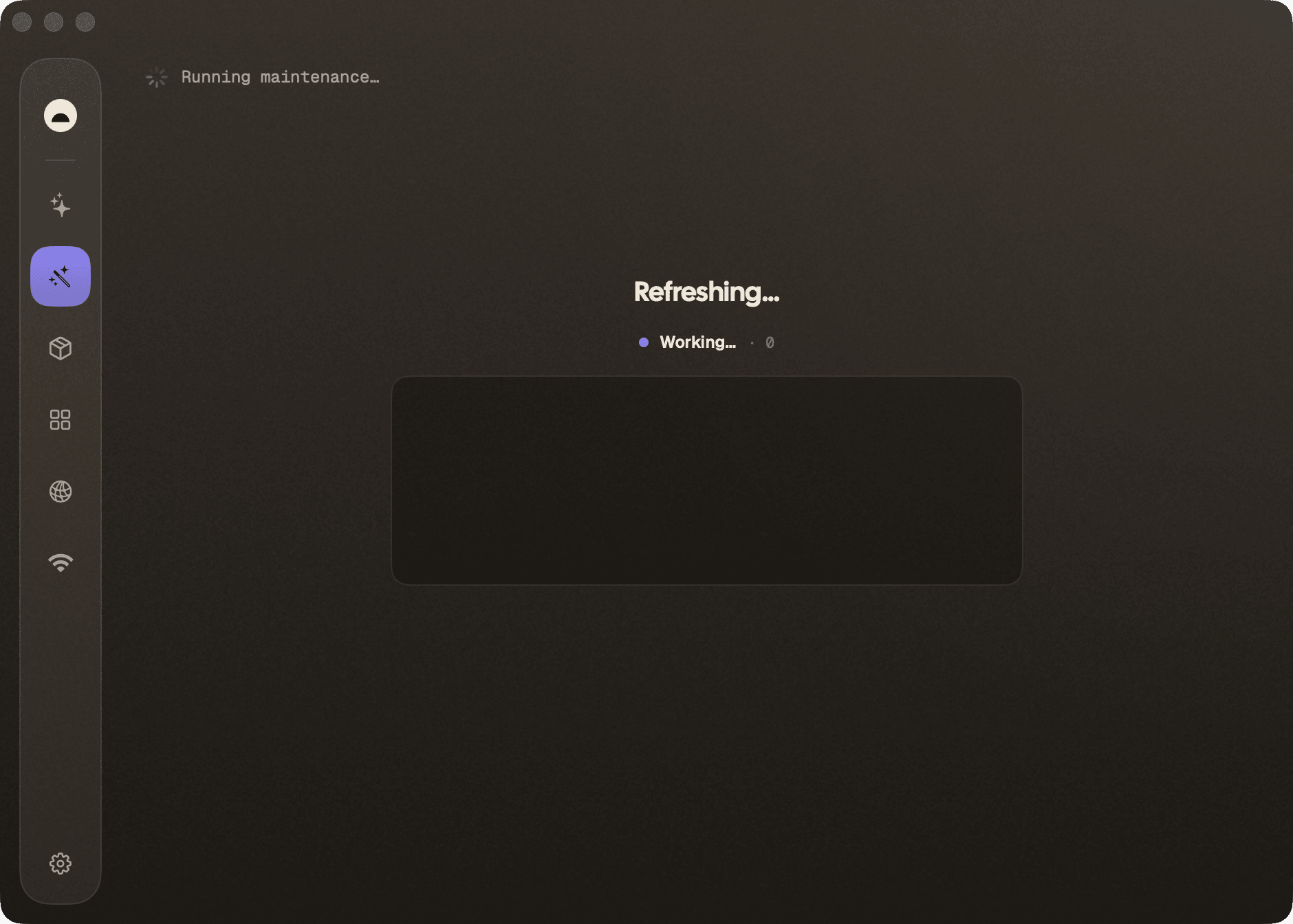
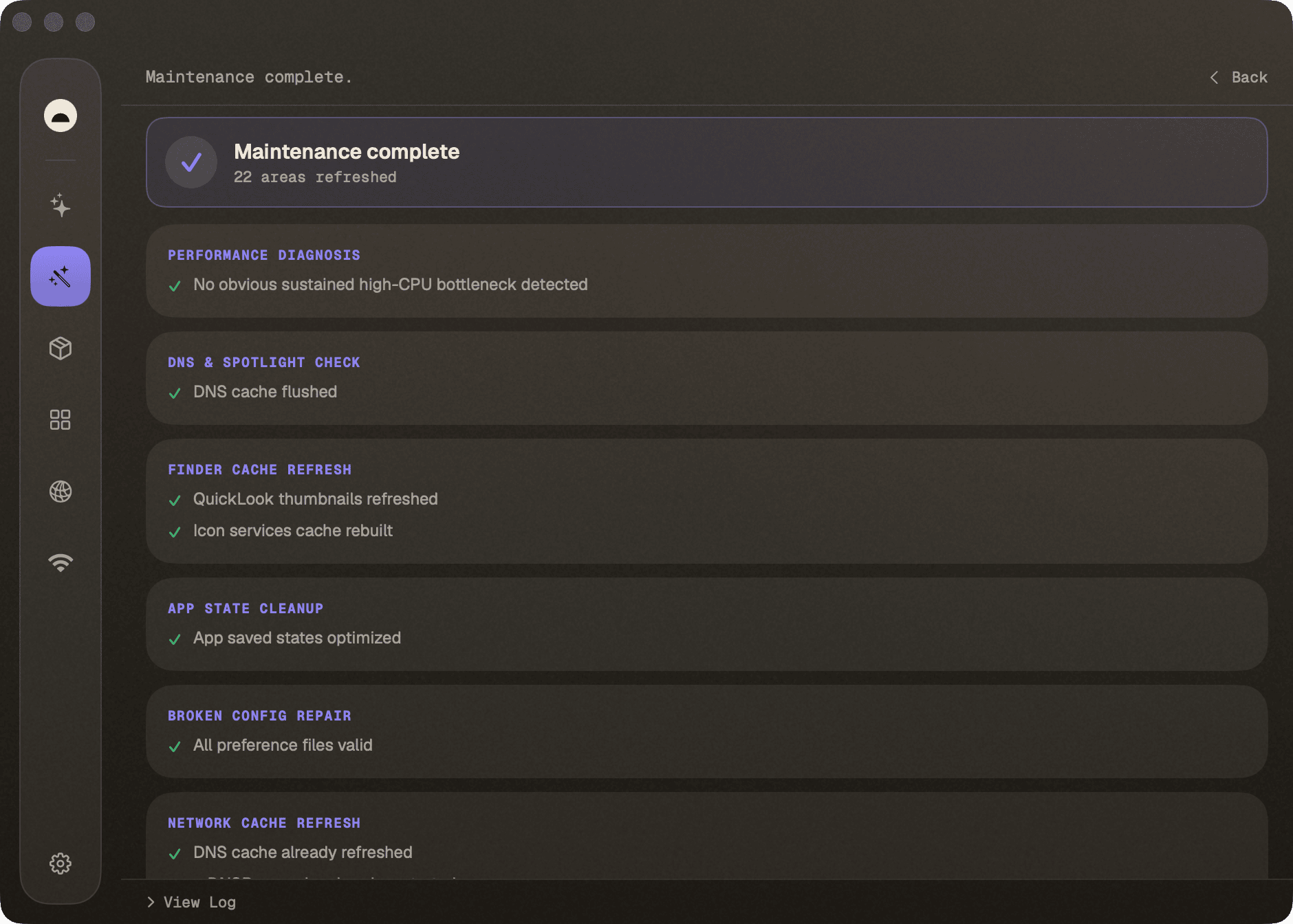
Burrow wraps its bundled burrow-engine binary in a native desktop app: clean junk, purge dev artifacts, sweep leftover installers, uninstall apps, run safe maintenance, map your disk, and watch live system status β€” in one window. On top of that it adds things the CLI doesn't have: a long-running history of your machine's metrics in a local store and an MCP server so any AI agent (Claude Code, Cursor, Codex…) can ask "what's been happening on this machine."

macOS is the mature flagship. Windows currently has a native WinUI 3 / .NET 8 preview app, Windows telemetry/history, tray HUD, loopback HTTP, MCP stdio bridge, CI, tests, and unsigned release packaging.

Tool What it does mo command
Status Live dashboard with per-metric sparklines and a sortable/pinnable process table. mo status --json
Clean Preview what's reclaimable, then clean for real β€” categorized cache/log/leftover removal. mo clean
Purge Reclaim space from dev projects: node_modules, build dirs, target/, __pycache__, and more β€” preview streams in, one confirmation, everything found goes to the Trash.

readme truncated β€” read the full docs on github

Frequently asked questions

Is burrow free to use?

burrow is open source under the MIT licence. There is no licence fee and no seat count β€” you can self-host it or, where the project offers one, pay a vendor for a managed version instead.

What does burrow do?

🐹 Cleanup, app management, maintenance, disk analysis, and live status in one free, open-source, native Mac app + extensive support for AI agents.

What is burrow written in?

burrow is primarily written in Swift. Its source is publicly available at https://github.com/caezium/burrow, and it has 1,429 GitHub stars.