tutorials is an MIT-licensed collection of DevOps lesson material and supporting infrastructure code, organised around the author's YouTube courses and aimed at engineers who want runnable examples for Terraform, Kubernetes, AWS, GCP, Ansible, Packer and serverless work.
What it is
tutorials is a repository whose primary language is HCL, the configuration language used by Terraform and Packer. It sits in the Infrastructure & Operations / Cloud Infrastructure Management category and carries the topics ansible, aws, devops, gcp, kubernetes, packer, serverless, sre and terraform. The project has accumulated 4,692 stars and 3,112 forks, with 45 open issues and a last push on 17 May 2026. Its homepage is the author's YouTube channel, and the README presents the repository as the written and code half of a video-first teaching effort.
The concrete problem it solves is the gap between watching a walkthrough and running one. Video lessons are self-contained only while the video is playing; the code behind each demonstration is not, so learners are left to reconstruct configuration from a screen recording. This repository supplies the companion artefacts, with a lesson index at docs/contents.md that maps the material into named course tracks. It replaces the practice of following a DevOps video series with no repository to clone, and it covers ground — Terraform on AWS, EKS, Argo CD, Kubernetes and benchmarks — that is usually sold as paid training rather than published alongside free recordings.
Key capabilities
- Lesson index at
docs/contents.md, listed in the README as the entry point for the teaching material.
- "Terraform Tutorial on AWS [Full Course]" playlist, covering the HCL workflow on AWS.
- "AWS EKS Kubernetes Tutorial [Full Course]" playlist for managed Kubernetes on AWS.
- "Argo CD Tutorials" playlist covering GitOps-style continuous delivery.
- "Kubernetes Tutorials" playlist for general cluster work.
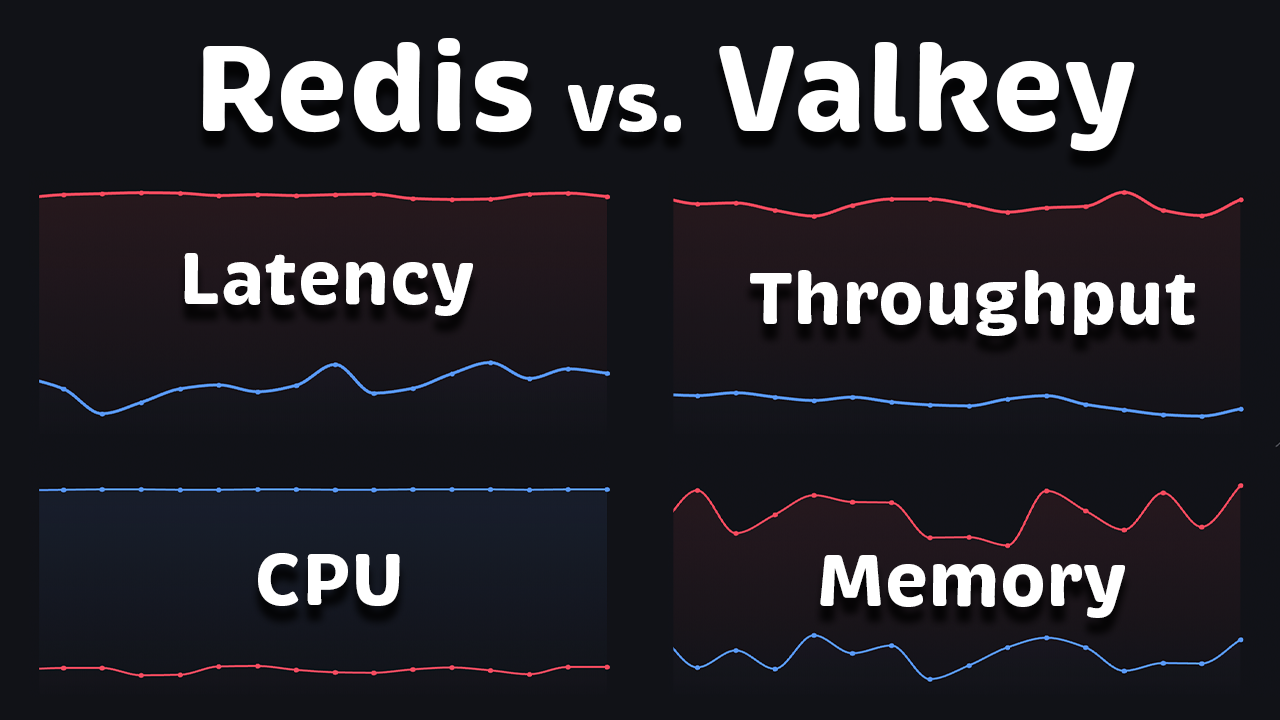
- "Benchmarks" playlist, a separate track from the instructional courses.
- Topic coverage spanning
ansible, packer, serverless and sre alongside the cloud providers.
Who uses it and how
- Engineers working through a course track end to end, using the playlists as the syllabus and the repository as the code they run locally.
- Practitioners preparing for AWS EKS or Terraform work, who follow the full-course playlists rather than an ad hoc series of short videos.
- Teams evaluating GitOps delivery, who use the Argo CD tutorials as a starting reference.
- Readers comparing infrastructure approaches, who follow the Benchmarks playlist as a distinct line of content.
- Organisations seeking guided delivery help, since the README offers mentorship, on-the-job support and consulting through a booking calendar and email, with client recommendations published on LinkedIn.
Getting started
The README does not name an install method: there is no published package, no Docker image and no compose file. The stated entry point is the lesson index at docs/contents.md, with the YouTube playlists serving as the accompanying instruction.
How it compares
No paid products or comparable tools are named in the facts supplied for this project, so it stands alone in this registry on those axes. The only commercial element present is the author's own consulting and mentorship offering, which is complementary to the free repository rather than a competing product. Comparisons against other DevOps curricula are not supported by anything documented here.
When to use it — and when not to
Choose it when the goal is to follow structured video courses with matching code, and when MIT licensing and free access matter more than vendor support. Do not choose it if you need a supported product with versioned releases, a changelog or a documented deployment path — the README is largely a set of links, and the repository does not describe installation, hosting or operational requirements. Treat the code as teaching material rather than a maintained library, and note that engagement for anything beyond the videos runs through the author's paid consulting channel.