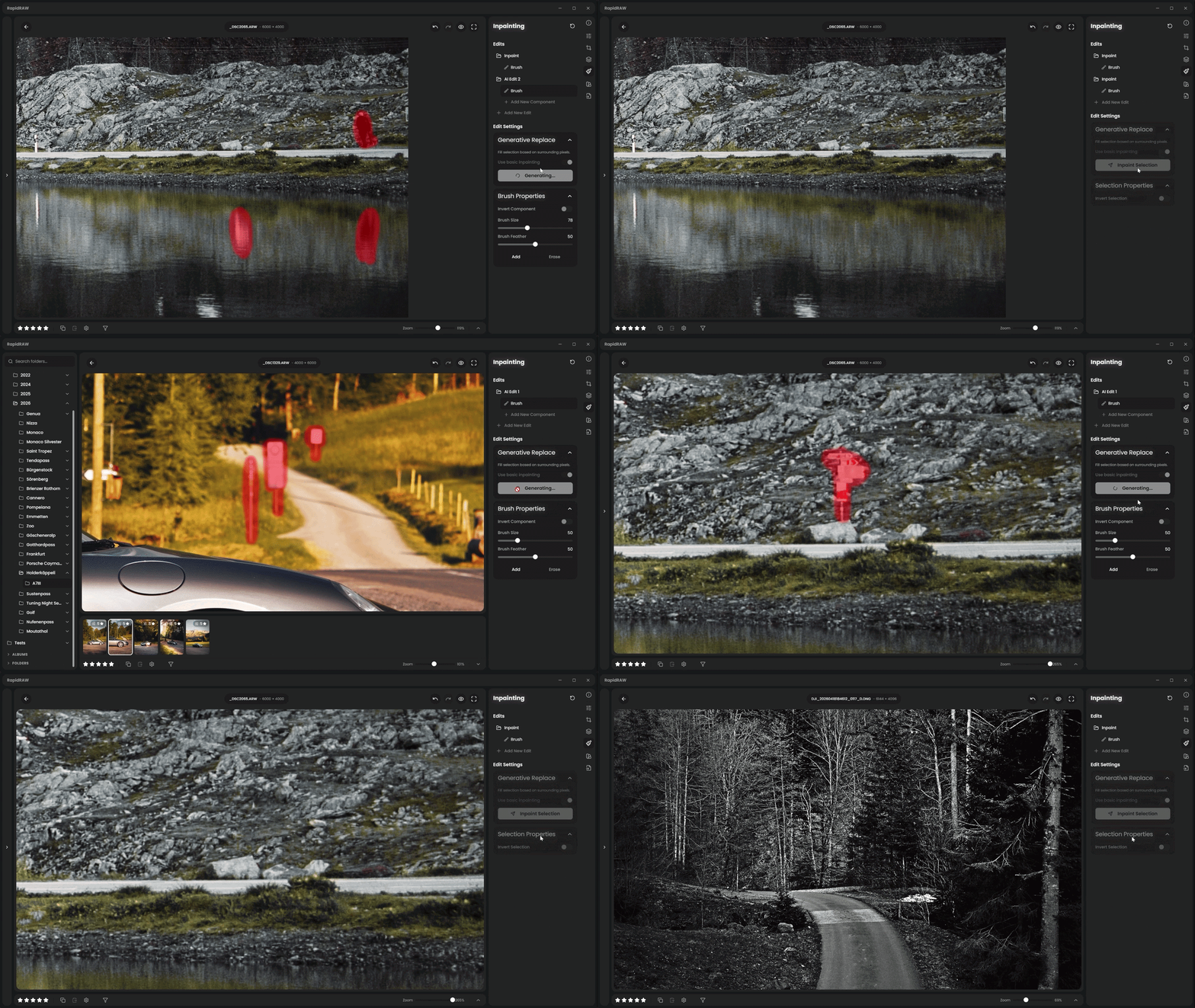
RapidRAW is a free, open source photo & video editors project written in TypeScript and released under AGPL-3.0. It has 10,115 GitHub stars, 556 forks and 407 open issues, and was last pushed 27 hours ago. On this registry it ranks #14 of 32 tracked projects in Photo & Video Editors, with 5 head-to-head comparisons available.
What is RapidRAW?
RapidRAW is a free, AGPL-3.0-licensed, GPU-accelerated RAW image editor for photographers who want a clean, fast, non-destructive editing workflow, shipped as a package under 20 MB for Windows, macOS, Linux and Android.
What it is
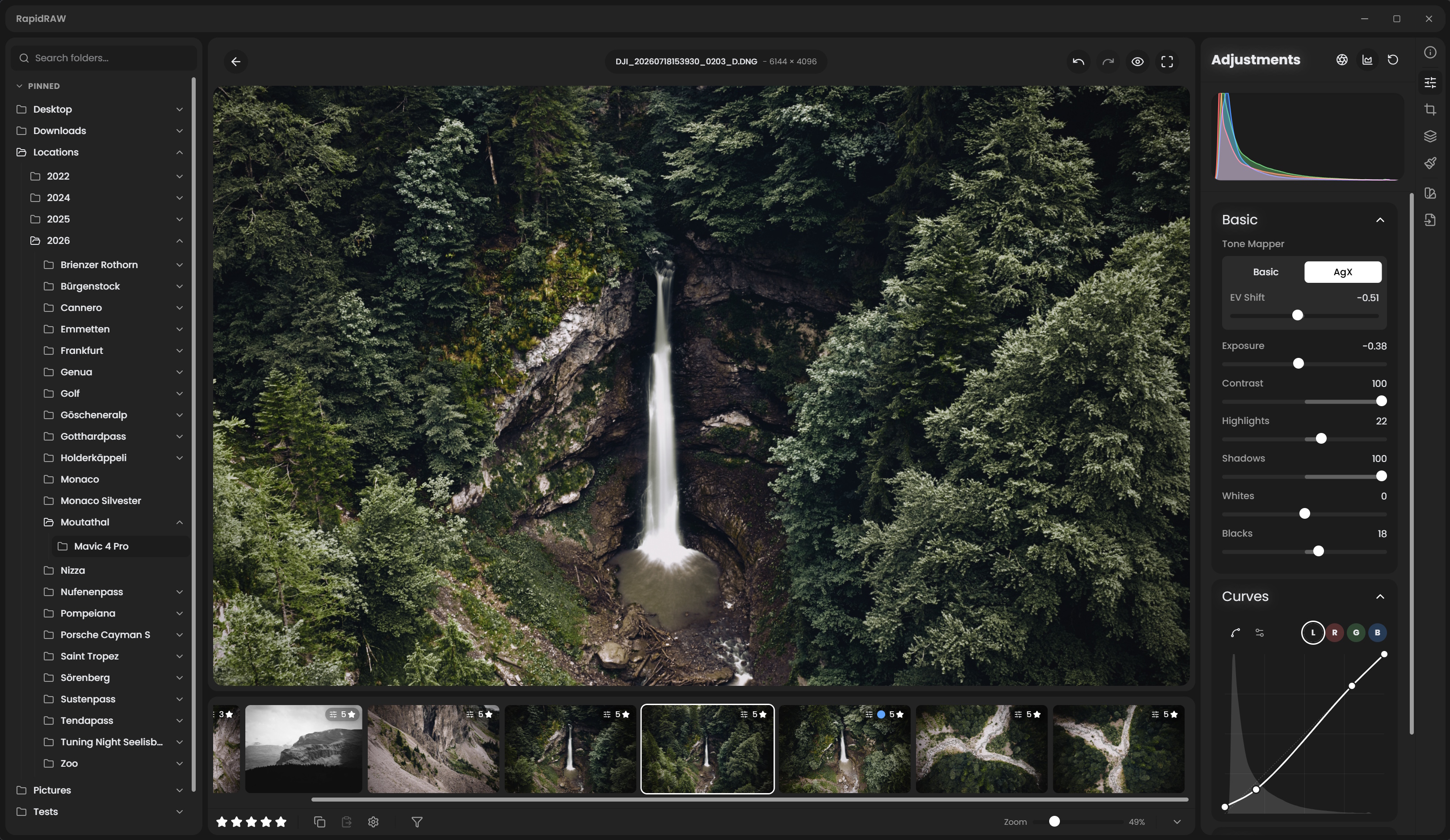
RapidRAW is a native photo editor built as a Tauri application, with a React front end and a Rust rendering core that draws through wgpu using WGSL shaders. It runs as a desktop application on Windows, macOS and Linux and as an Android app, and it presents itself as a modern, high-performance alternative to Adobe Lightroom®. The project began as a personal challenge by its author at eighteen, written to serve his own photography workflow while deepening his understanding of React, WGSL and Rust, and it has since grown to just over ten thousand stars on GitHub with 556 forks.
The concrete problem it addresses is the weight of the established editing workflow. Photographers who want Lightroom-style adjustments — exposure, colour grading, masks, lens correction, retouching — would otherwise reach for a large commercial suite or a mature open-source editor such as Darktable or RawTherapee. RapidRAW keeps the whole application under 20 MB and pushes the image pipeline onto the GPU, so previews and adjustments are computed with shaders rather than on the CPU. Editing is non-destructive: the original RAW file is preserved and adjustments are kept alongside it, which is why the project tracks folder-level EXIF caching and works to prevent redundant adjustment saves during a session.
Key capabilities
GPU-accelerated editing pipeline built on wgpu and WGSL shaders, including a dedicated exposure shader, RAW highlight recovery and colour clipping handling.
Colour grading covering vibrance and local contrast with a rewrite that preserves highlights, plus highlights colour reconstruction.
Masks, including AI masks driven by an edge-aware filter, with a categorised mask creation panel.
Geometry and lens correction integrated into the main canvas: guided perspective correction, auto lens correction from the context menu, Ctrl-based crop pan and zoom, a Shift+drag straighten shortcut and automatic crop calculation.
Retouch and liquify tools, including a retouch tool for smoothing skin and a liquify tool for reshaping and warping parts of an image.
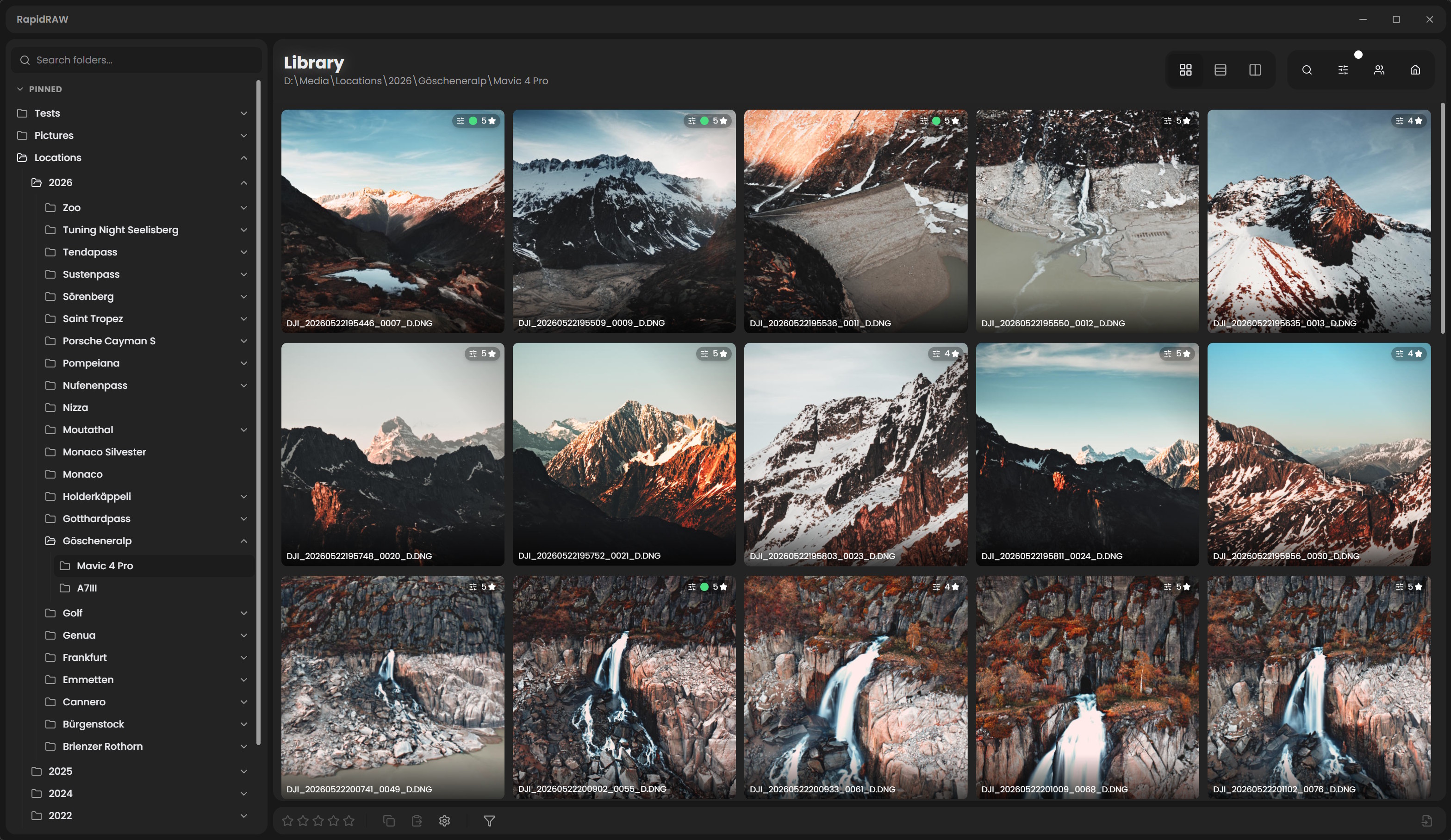
Library features such as a masonry thumbnail layout mode, back and forward navigation history, drag-and-drop image import, and separately configurable thumbnail resolutions for the grid and the editor preview.
Export controls that process EXIF metadata during export and support exporting into the original folder with a subfolder.
Who uses it and how
Photographers who want a clean, fast, simple editing workflow and quick access to their creative colour vision, which the README names as the target audience.
Desktop photographers on Windows, macOS or Linux, and mobile users on Android, where later releases improved the mobile UI.
Linux users on Wayland with Nvidia hardware: a Wayland/Nvidia workaround was rewritten in September 2026.
Editors working through large folders, served by folder-level EXIF caching, masonry thumbnails and split grid/editor thumbnail resolutions.
Users exporting back into an existing archive structure, since export can target the original folder with a subfolder while preserving EXIF metadata.
Getting started
Download the latest packaged release for Windows, macOS, Linux or Android from getrapidraw.com; it is packaged and ready to run, with step-by-step tutorials covering adjustments and masking on the documentation site.
How it compares
The README names Darktable, RawTherapee and Adobe Lightroom® as the mature tools it sits alongside, and states plainly that RapidRAW is not yet as polished as they are. Its differentiator is therefore not feature parity but the combination of an AGPL-3.0 licence, a sub-20 MB footprint and a GPU-first core aimed at speed and a simple interface. Photographers who need completeness today should treat those mature editors as the baseline, while RapidRAW occupies the faster, lighter, still-developing end of the same category.
When to use it — and when not to
There is no database, object store or mail server to operate: RapidRAW is a client application, so the operational burden sits in the build and graphics stack, which combines Rust, React and Tauri rather than a server deployment. It is a poor fit for anyone who needs a mature, feature-complete editor free of rough edges — the README describes active development, warns that bugs may be encountered and asks users to report them, and the repository currently carries 407 open issues. The AGPL-3.0 licence is also a consideration for anyone intending to redistribute a modified build.
project readme (upstream, from github) — read inline
RapidRAW
A beautiful, non-destructive, and GPU-accelerated RAW image editor built with performance in mind.
RapidRAW is a modern, high-performance alternative to Adobe Lightroom®. It delivers a simple, beautiful editing experience in a lightweight package (under 20MB) for Windows, macOS, Linux, and Android.
I started developing this project as a personal challenge when I was 18. My goal was to create a high-performance tool for my own photography workflow while deepening my understanding of React, WGSL and Rust.
Download RapidRAW
Get the latest release for Windows, macOS, Linux, and Android. Packaged and ready to run.
For Who Is This?
RapidRAW is for photographers who love to edit their photos in a clean, fast, and simple workflow. It prioritizes speed, a beautiful user interface, and powerful tools that let you achieve your creative color vision quickly.
RapidRAW is still in active development and isn't yet as polished as mature tools like Darktable, RawTherapee, or Adobe Lightroom®. Right now, the focus is on building a fast, enjoyable core editing experience. You may encounter bugs - if you do, please report them so I can fix them :) Your feedback really helps!
Recent Changes
2026-09-17: Rewrite vibrance & local contrast preserving highlights adjustment
2026-09-16: Add highlights color reconstruction & improve exposure shader
2026-09-14: Add neutral grey canvas toggle
2026-09-13: Improve RAW highlight recovery and color clipping
2026-09-12: Add Ctrl crop pan/zoom and optimize preview transform caching
2026-09-09: Add masonry thumbnail layout mode
2026-09-09: Add back and forward navigation history for library
2026-09-06: Support exporting to original folder with subfolder
2026-09-03: Rewrite Wayland/Nvidia workaround
2026-09-02: Refactor crop panel & integrate transform/lens correction directly into main canvas
Expand further
2026-09-01: Implemented guided perspective correction thanks to @hogar1977
2026-09-01: Add context menu option to auto apply lens correction
2026-08-31: New edge-aware filter for ai masks, improved sharpening & mobile UI improvements
2026-08-29: Improved EXIF metadata processing during export
2026-08-29: Implement folder-level EXIF caching and prevent redundant adjustment saves
2026-08-28: Categorize mask creation panel
2026-08-27: Split thumbnail resolution settings into separate grid and editor preview sizes
2026-08-26: Introduced a retouch tool to effortlessly smooth skin
2026-08-25: Added a liquify tool to reshape and warp parts of an image
2026-08-24: New global shift+drag straighten shortcut & improved auto-crop calculation
2026-08-20: Add drag & drop image move system to quickly organize library
2026-08-19: Restored side panels on tablets
2026-08-17: Integrated built-in analog film emulations powered by Spektrafilm, featuring a scene-referred V-Log color pipeline in the WGSL shader
2026-08-16: Added native Camera Tethering with real-time Live View, exposure controls, ghost overlay, and direct library ingestion (macOS & Linux)
2026-08-16: Added Focus Stacking to merge multi-focus brackets into a single sharp image
2026-08-14: Export now preserves and writes full EXIF metadata
2026-08-13: Replaced local contrast sharpening with a high-quality multi-scale filter
2026-08-11: Added automatic canvas cropping for generative AI inpainting workflows
2026-08-07: Updated Lensfun database for latest camera bodies and lenses
2026-08-06: Added customizable keyboard shortcuts and visibility toggles for left, right, and bottom panels
2026-08-05: Added Catalan language support and folder tree shortcut
2026-08-03: Added support for image-based LUTs (.png, .jpg, .jpeg, .tiff) and batch importing multiple presets
2026-08-01: Implemented customizable workspace layout system with drag & drop panels
2026-07-31: Enabled White Balance color picker tool for the WGPU renderer
2026-07-29: Added Cmd/Ctrl+L keyboard shortcut to quickly copy image file paths to the clipboard
2026-07-26: Added AI Lens Blur (Bokeh) for realistic depth-of-field background blurring
2026-07-12: Added layout-aware keybinds, adjusted black levels, and fixed patch offsets on transformed images
2026-07-11: Added new local Clone and Heal cleanup tools with highly optimized, parallelized processing. Also fixed Android back-button navigation and resolved an issue causing freezes with iCloud
2026-07-08: Improved thumbnail loading speeds using native file transfers and updated core rendering engines for better overall performance and compatibility
2026-07-06: Fixed copying adjustments directly from the filmstrip, resolved AI model and LUT download issues on Android, and fixed several Windows-specific bugs (including offscreen windows and folder exports)
2026-07-05: Implemented advanced HDR deghosting with new grayscale image alignment and warping mechanics to prevent visual artifacts during HDR merges
2026-07-03: Added "Open With" external editor support and implemented a fallback to embedded previews for undecodable or unsupported RAW files
2026-06-29: Completely reworked the shadows and blacks adjustments, and introduced a new LUT preview panel with hover-to-test functionality, easy importing, and removal support
2026-05-20: Introduced a dedicated EXIF data overlay display directly inside the library and list views
2026-05-18: Added global image preprocessing settings, numpad support for customizable keyboard shortcuts, and updated the "Grey" theme color variables
2026-05-16: Initial backend implementation of the cloud service functionality alongside a preview worker backpressure mechanism for better handling of high-quality live previews
2026-05-15: Added the ability to assign custom icons to individual folders in the library tree
2026-05-14: Expanded the library architecture to support multi-root folders and introduced a custom album system
2026-05-11: Improved brush tool
2026-05-05: Major refactor to zustand...
2026-05-04: Added EXIF editing to the metadata panel, accumulating shader execution order, and improved UI responsiveness with triple buffering
2026-05-03: Introduced a "focus mode" for distraction-free editing and enhanced filmic exposure. Batch editing now correctly respects copy/paste settings
2026-05-01: Implemented manual noise reduction with separate controls for luma and color. Optimized the thumbnail generation and request system for better performance
2026-04-30: Major backend refactoring for improved stability and performance. Fixed key issues with cropping, including preserving position when changing aspect ratios
2026-04-29: Added a tonemapper override option and significantly improved the UI on vertical/mobile screens
2026-04-27: Implemented parametric curves tool and introduced thumbnail workers to speed up library browsing
2026-04-24: Overhauled the controls system, adding a dedicated settings section for fully customizable keyboard shortcuts
2026-04-22: Improved auto-adjustment logic, fixed lens correction on Android, and added an import button for mobile devices
2026-04-21: Signed Android APKs, added canvas shortcuts to keybinds, added reset adjustments confirm submenu, and fixed WGPU renderer bugs
2026-04-20: Added style/tool preset mode, improved auto-adjustments via thumbnail caching, and optimized WGPU renderer with custom transform wrapper
2026-04-19: Added brightness to auto-adjust and replicated pixelated rendering logic in WGPU display
2026-04-18: Implemented direct WGPU renderer and fixed macOS GPU context initialization
2026-04-17: Added comprehensive touch support for masks, curves, sliders, and scrolling
2026-04-16: Presets and copy/paste settings now support masks and crops; added mask intersect mode
2026-04-15: Native rotation slider, mask duplication improvements, and Android AI mask fixes
2026-04-14: Implemented .rrexif format to keep EXIF when denoising/stitching and added batch denoising
2026-04-13: Added option to preserve folder structure when batch exporting and removed mask limit
2026-04-12: Implemented option to keep export file timestamps from EXIF capture date
2026-04-11: Added flow mask controls/rasterization and dynamic gradient sliders for color grading wheels
2026-04-10: Improved downscaling algorithm, optimized zoom handling, and implemented global UI text layout upgrades
2026-04-09: Fixed Linux touchpad pinch zoom scaling and optimized Masks/AI panel space efficiency
2026-04-08: Redesigned color grading wheels for a minimalistic, consistent look
2026-04-07: Added AVIF export support and fixed adjustment race conditions on fast image switching
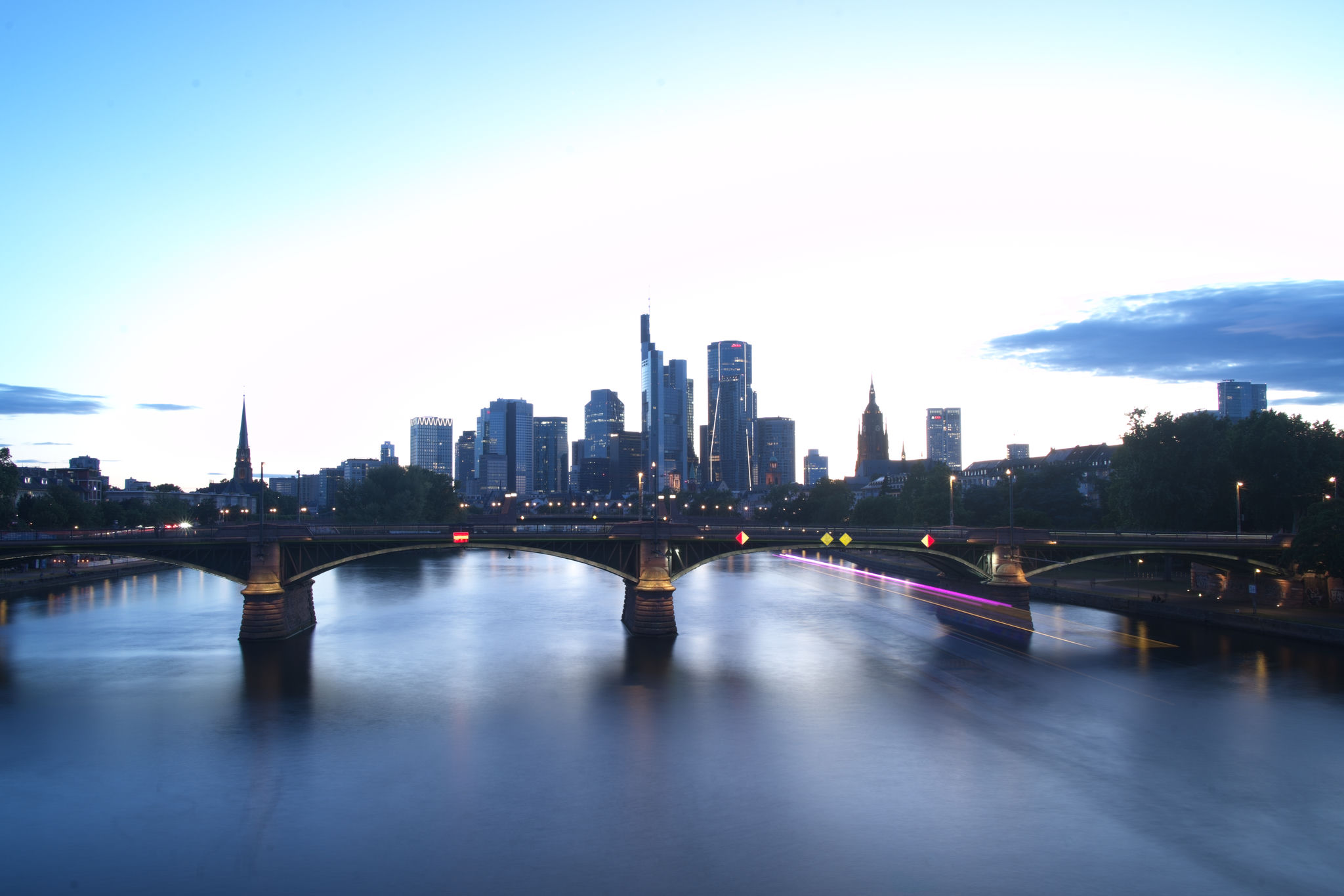
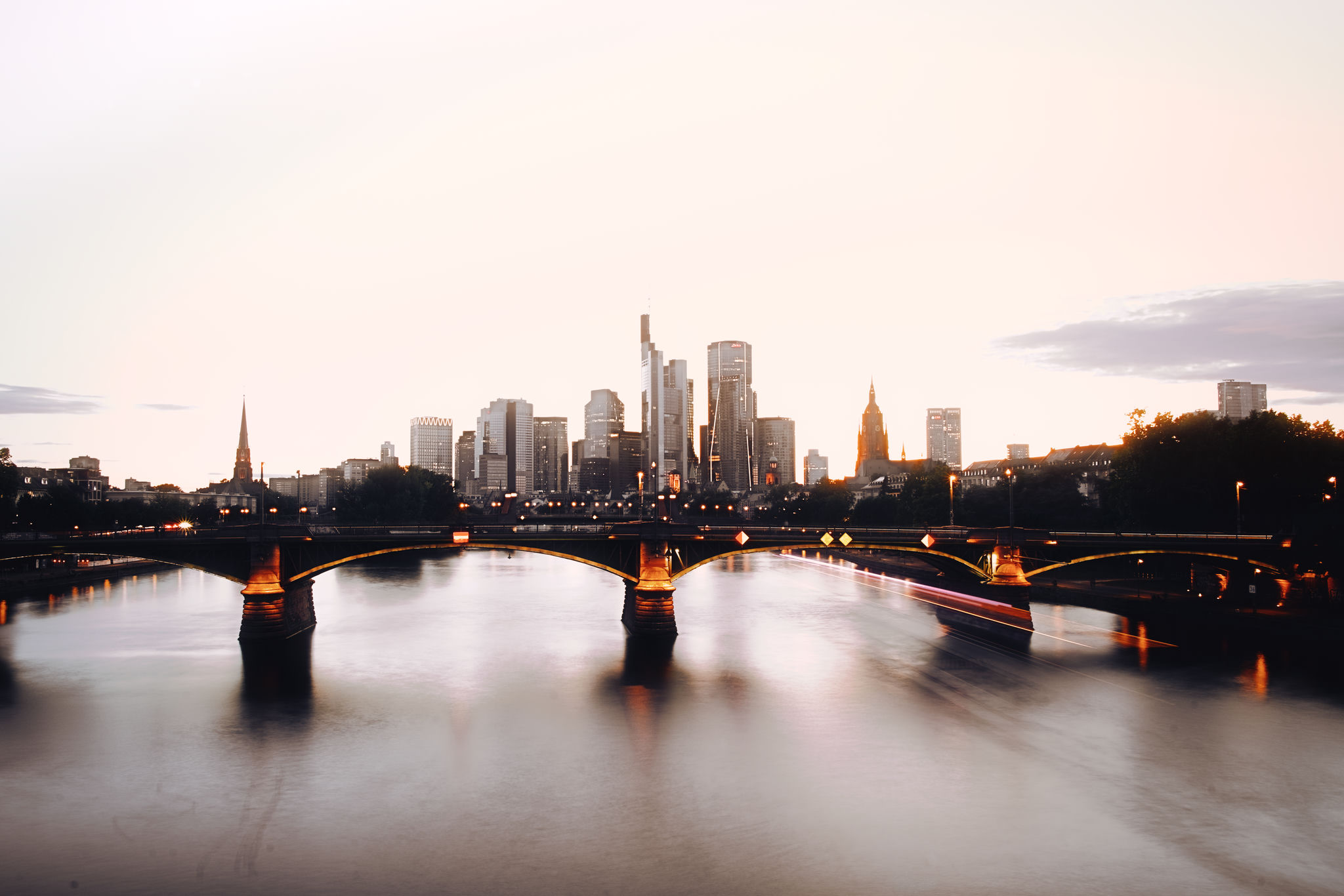
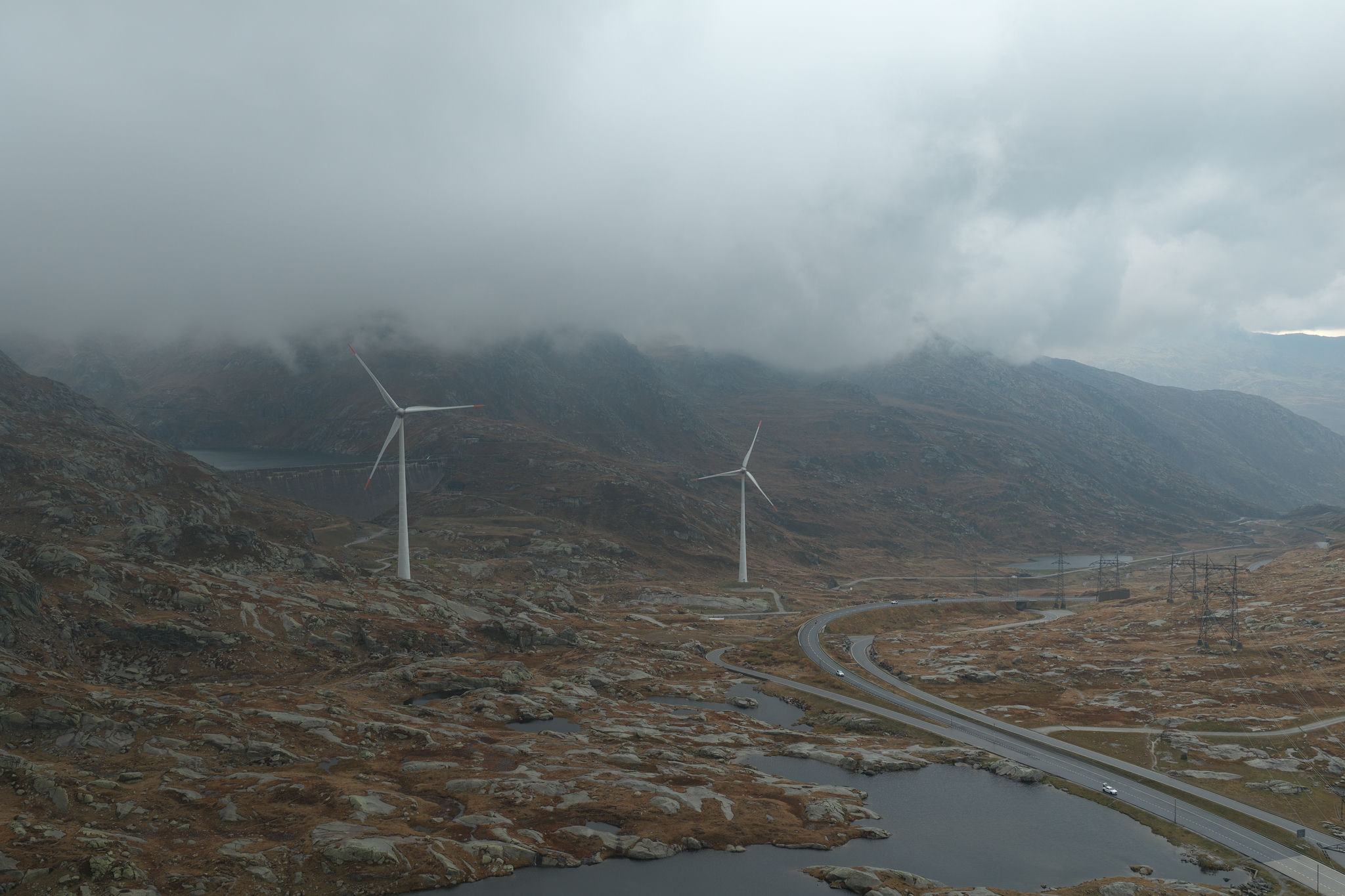
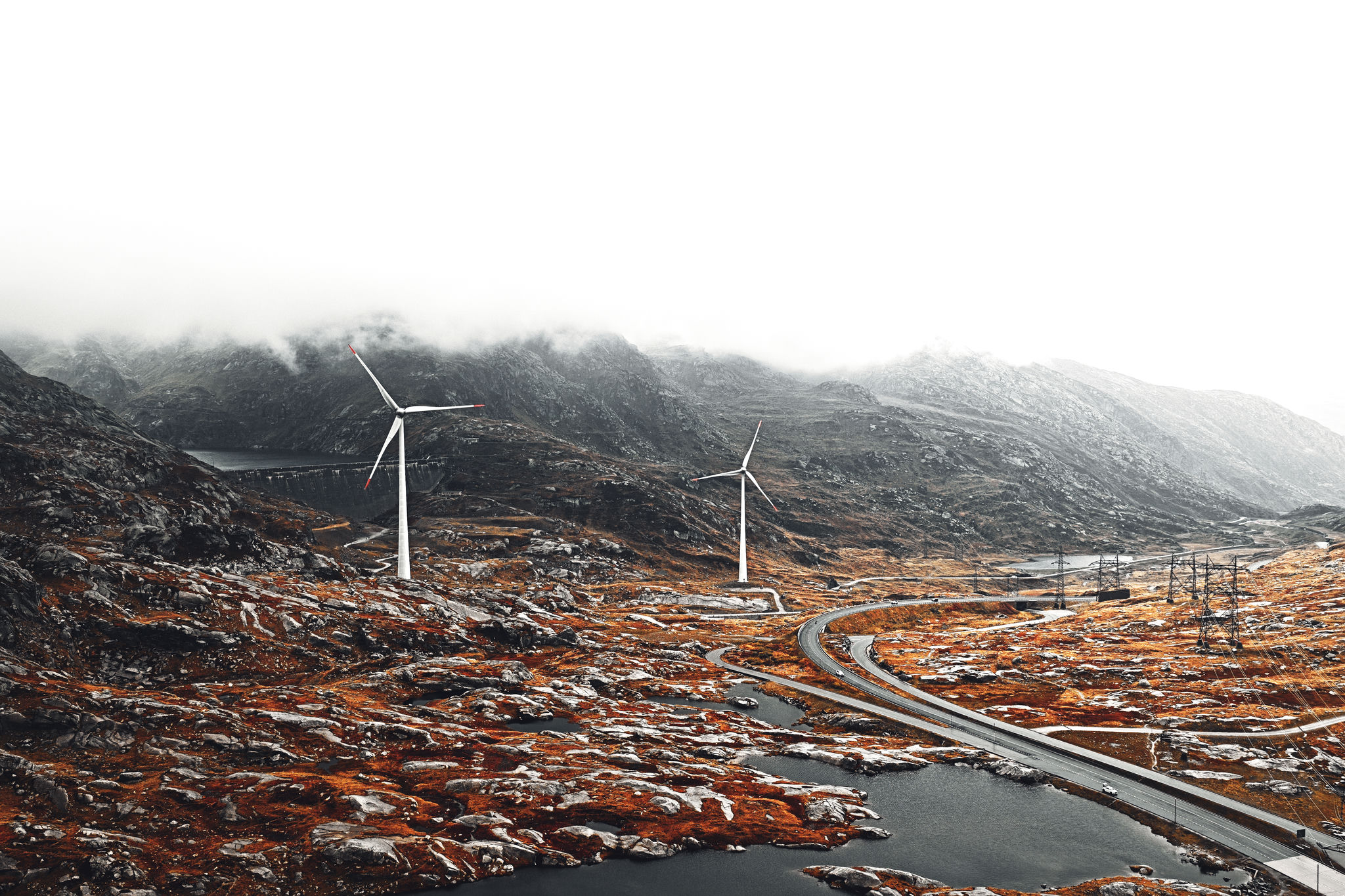
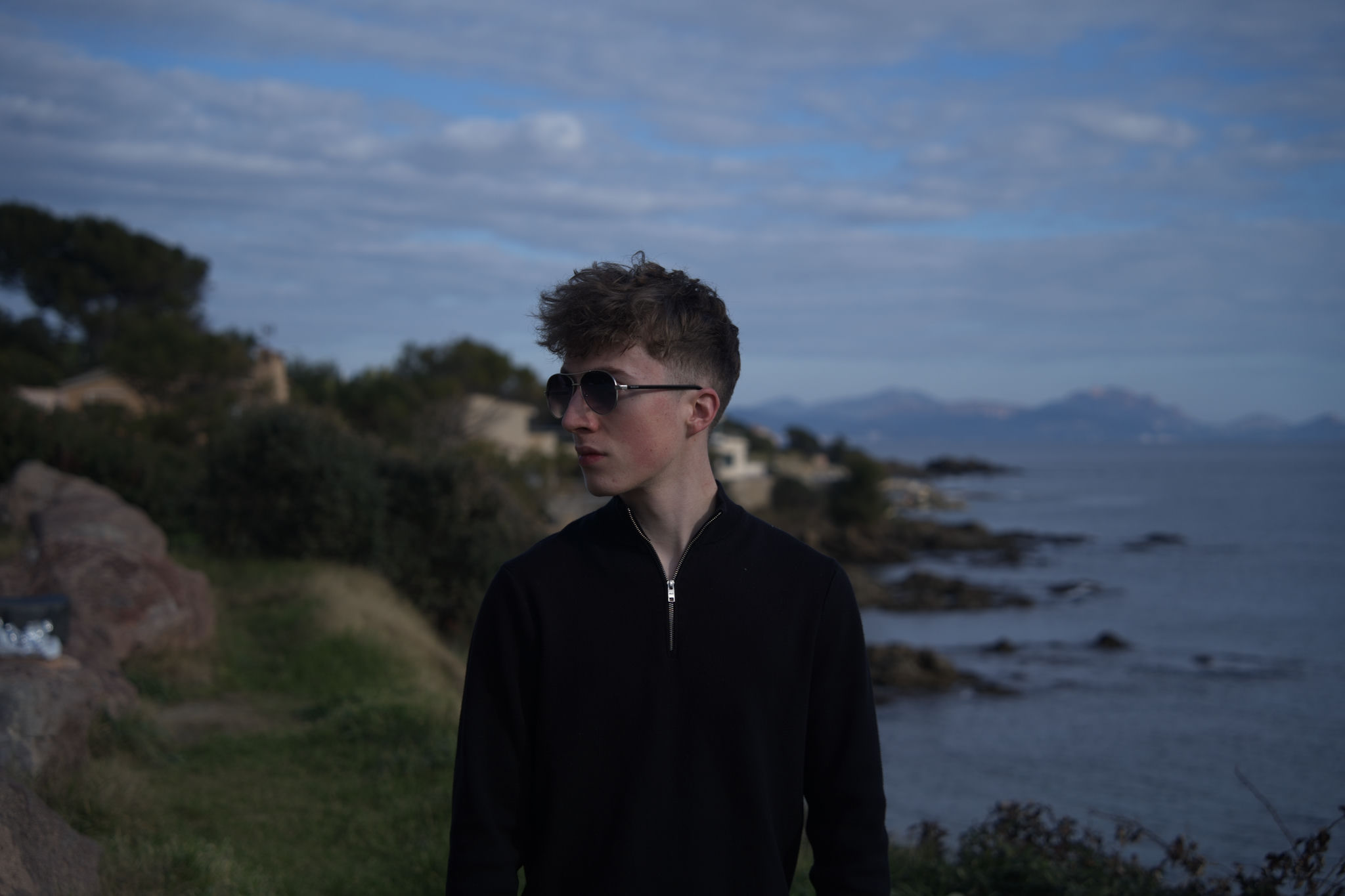
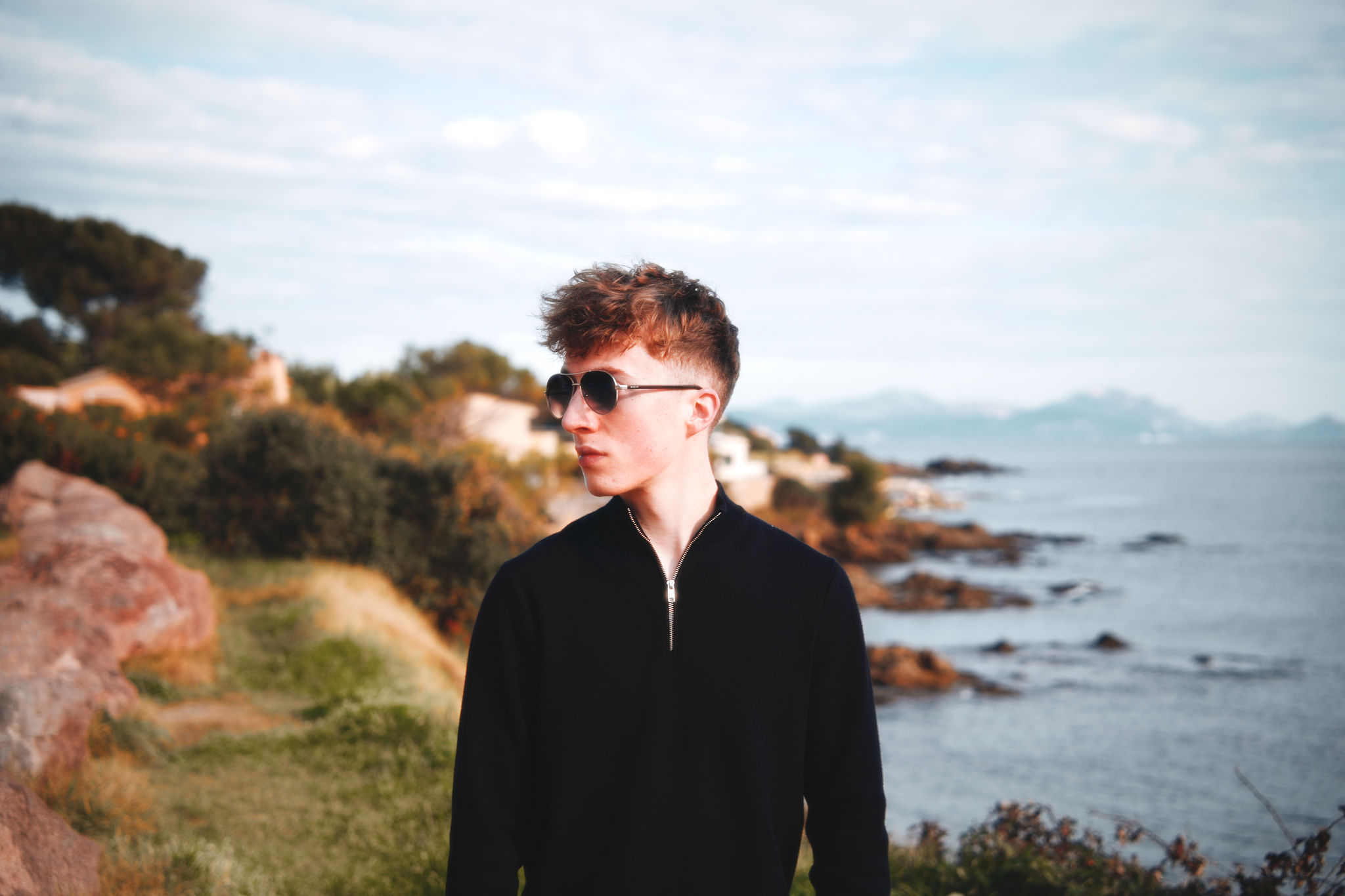
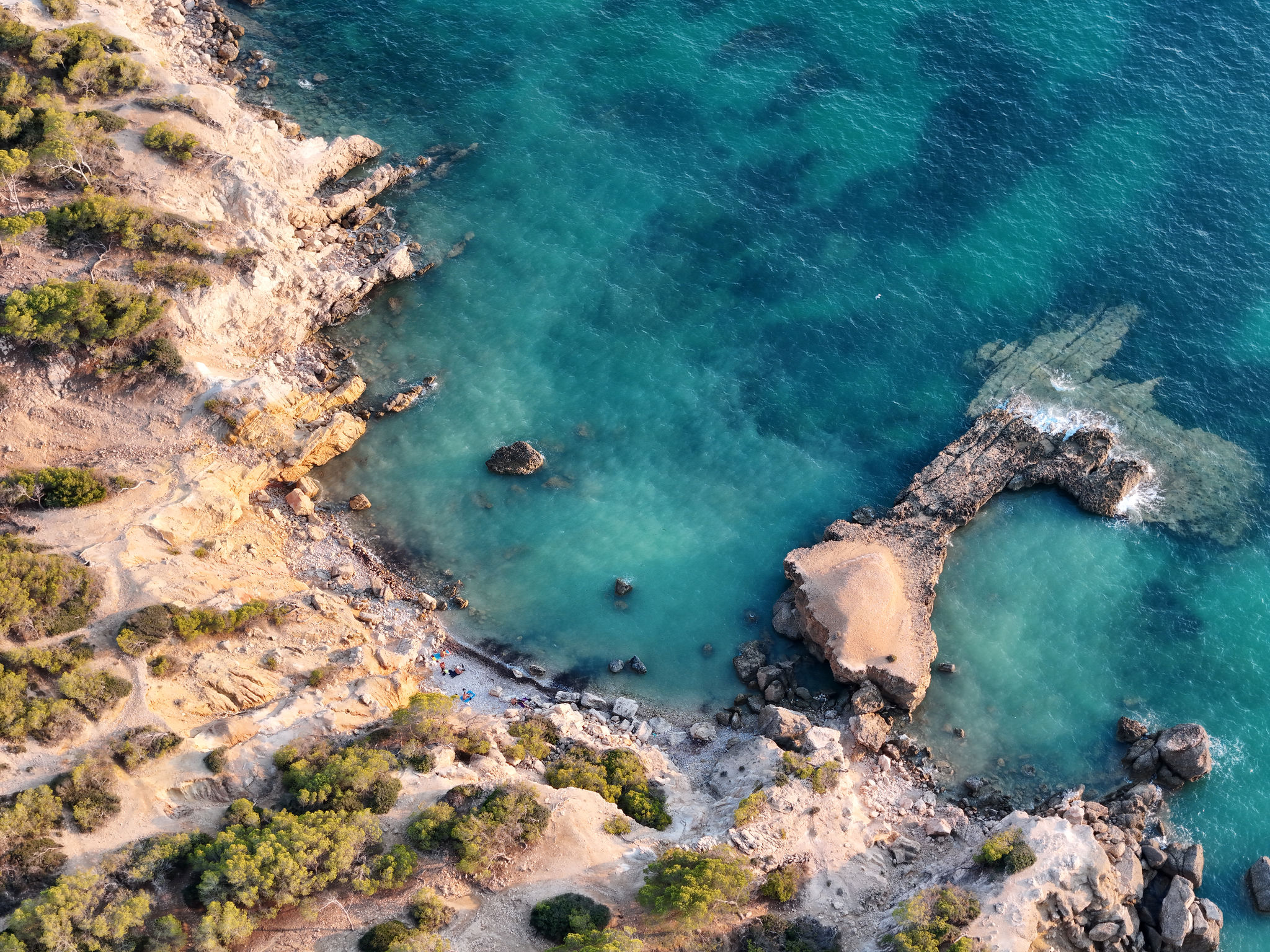
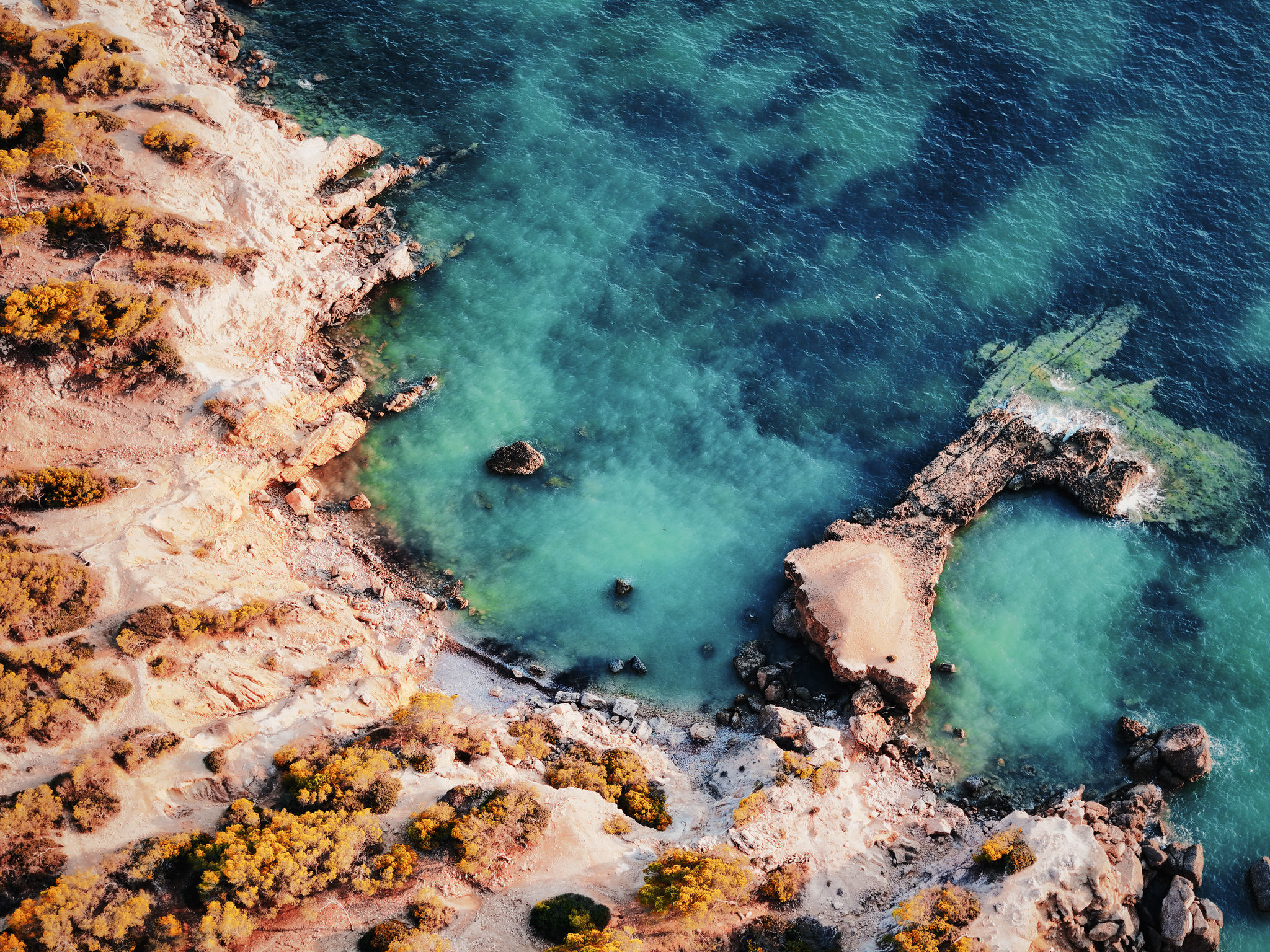
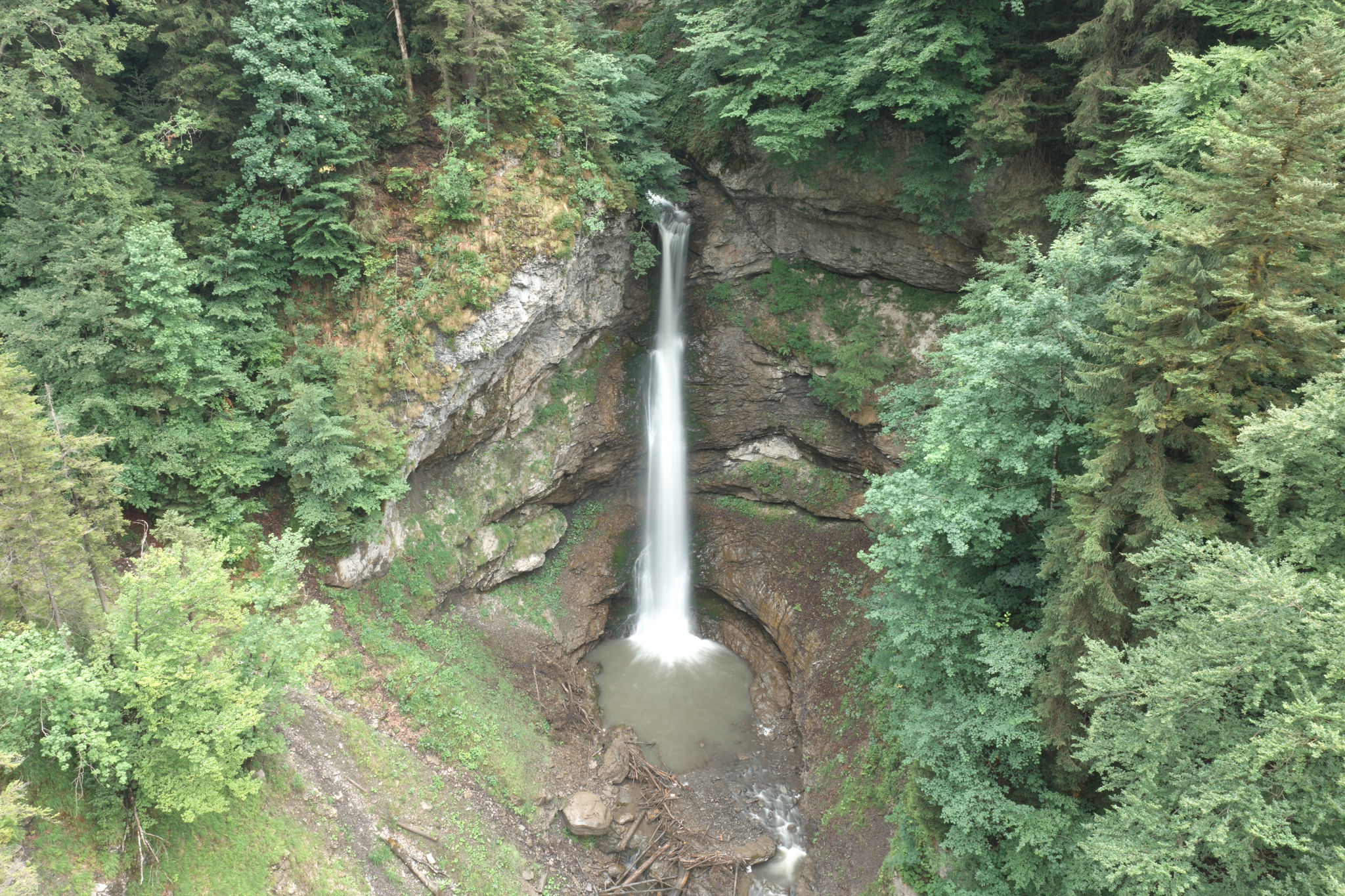
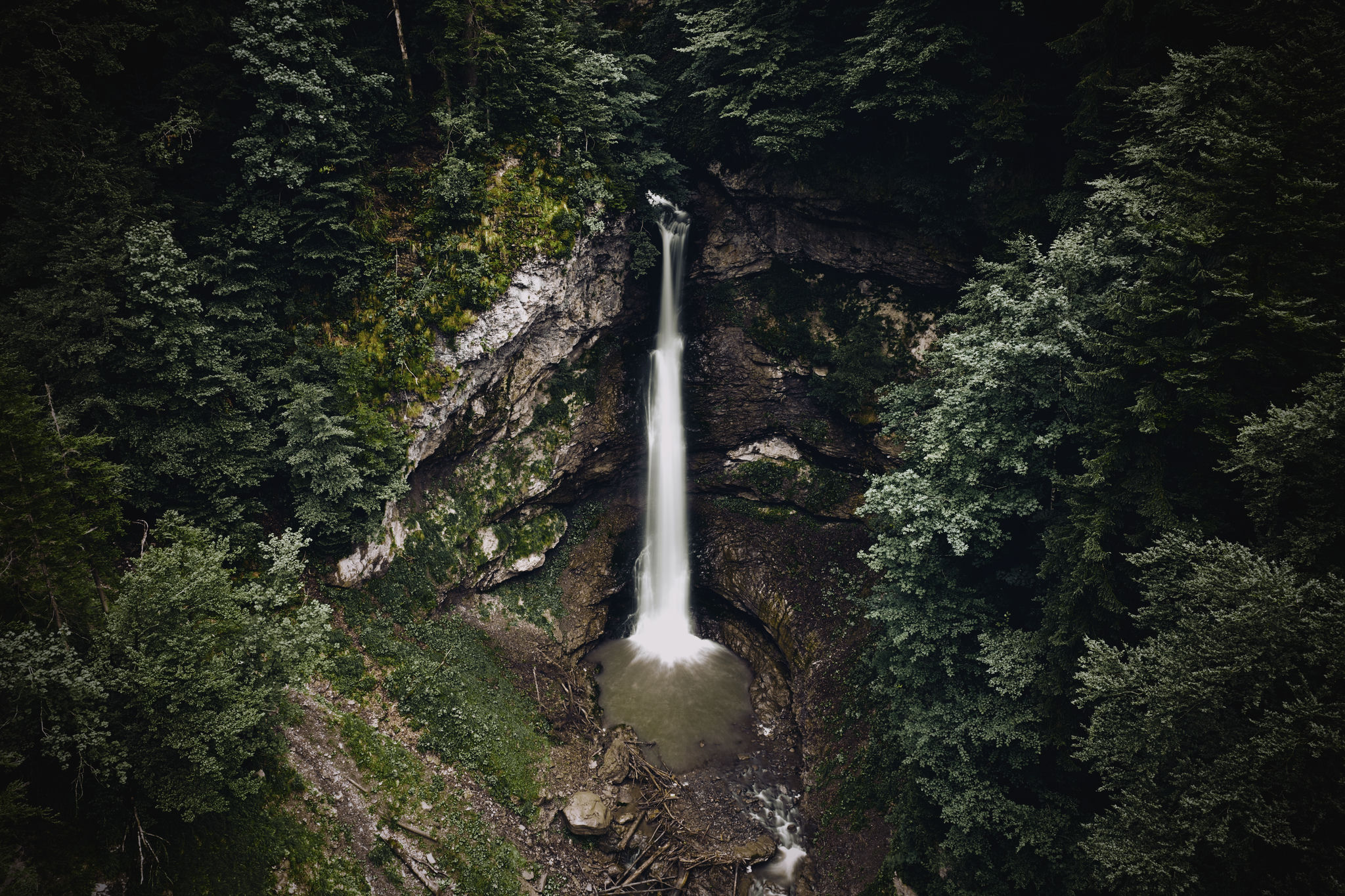
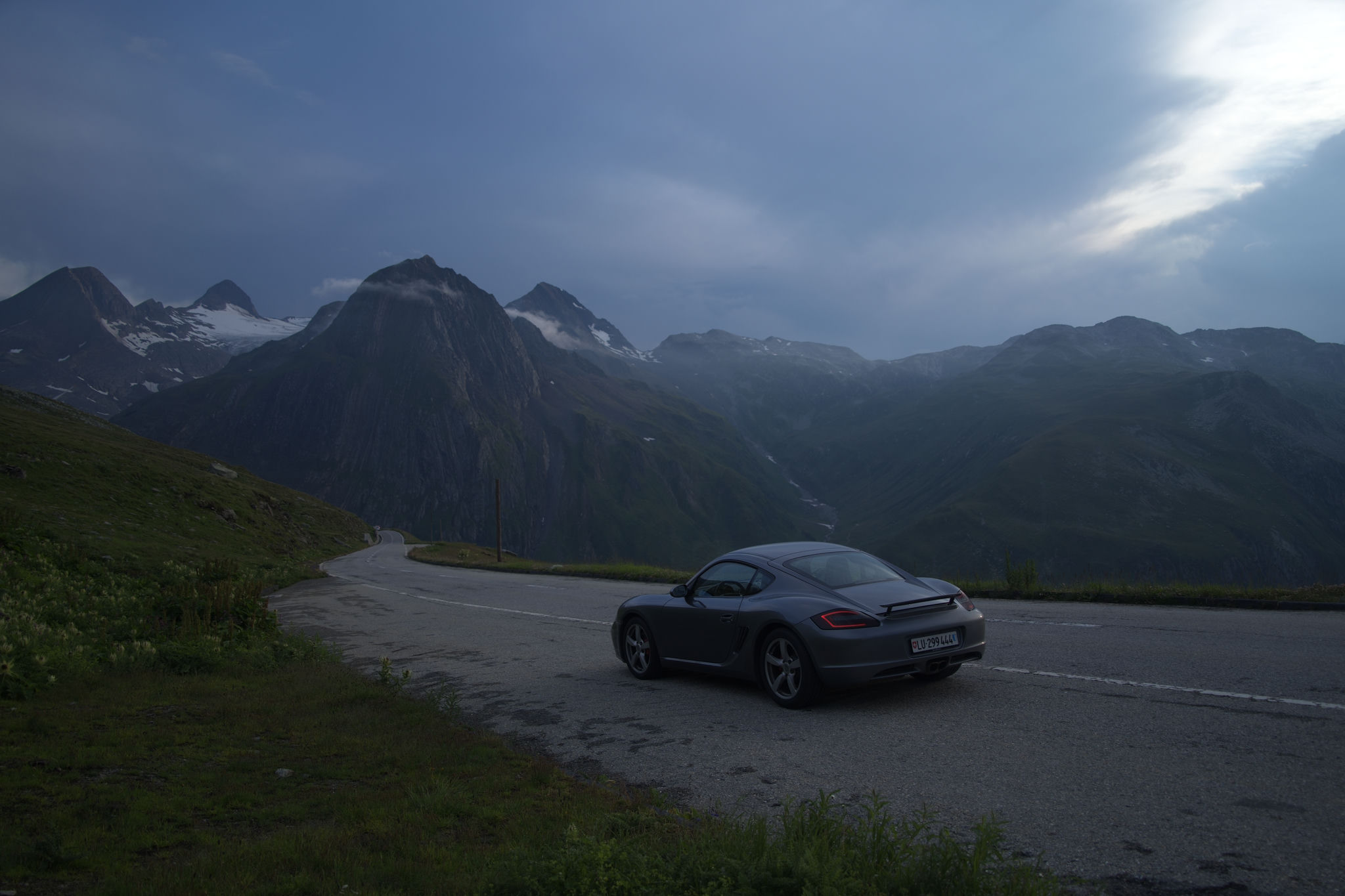
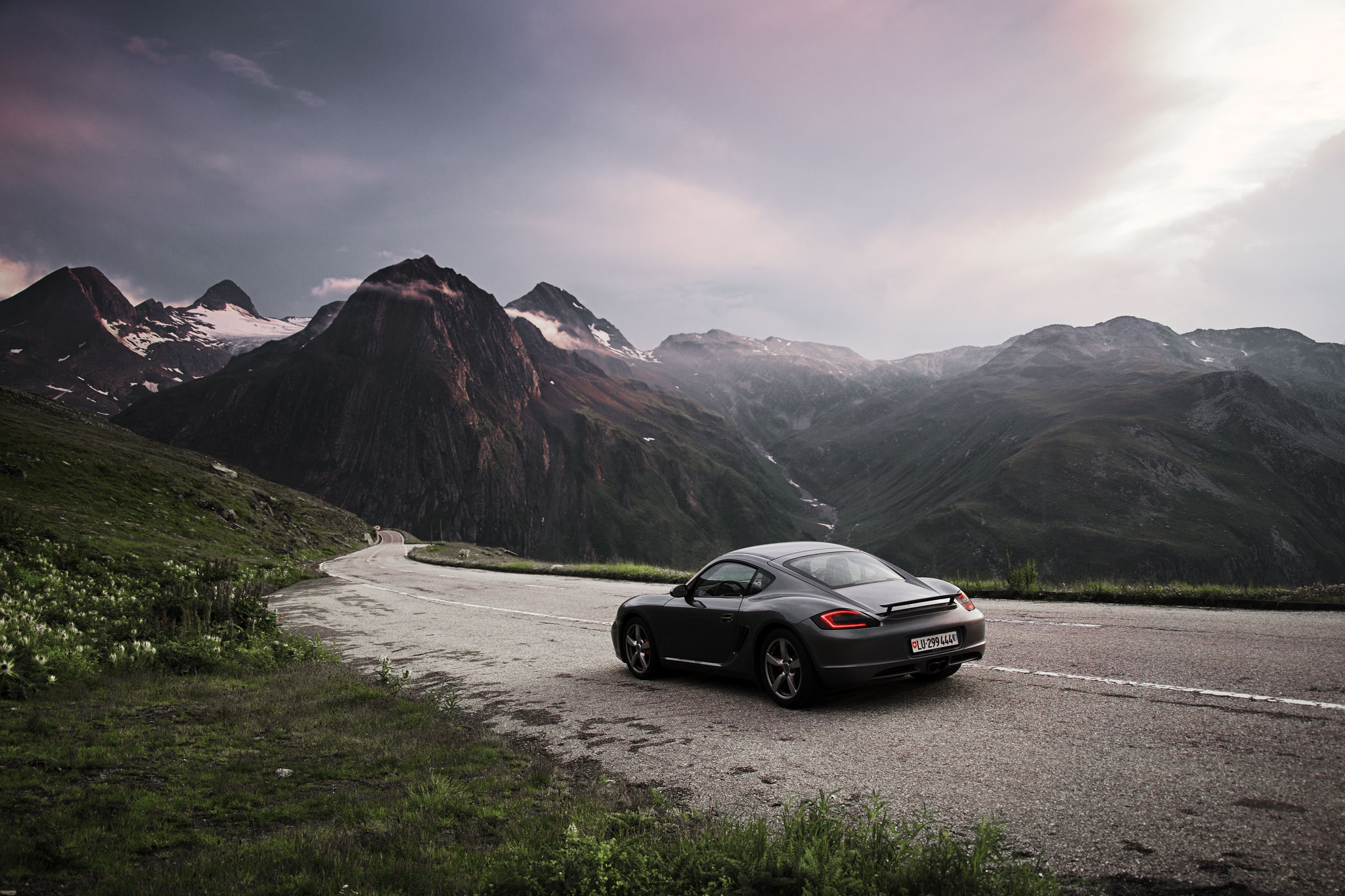
Explore example edits processed entirely within RapidRAW. You can download the .rrdata sidecar file for each image to inspect or apply the exact adjustment parameters.
Before & After Edits
Edits & Sidecar File
Before
After
1. Frankfurt Skyline
Sunset color grading, bridge and shadow recovery, tone curve adjustment, and urban warmth enhancement.
As a photography enthusiast, I often found existing software to be sluggish and resource-heavy on my machine. I wanted a faster, simpler photo editing experience, so I decided to build my own. The goal was to create a tool that was not only fast but also helped me learn the details of digital image processing and camera technology.
I set an ambitious goal to rapidly build a functional, feature-rich application from an empty folder. This personal challenge pushed me to learn quickly and focus intensely on the core architecture and user experience.
The foundation is built on Rust for its safety and performance, and Tauri for its ability to create lightweight, cross-platform desktop apps with a web frontend. The entire image processing pipeline is offloaded to the GPU via WGPU and a custom WGSL shader, ensuring that even on complex edits with multiple masks, the UI remains fluid.
Key Features
Core Editing Engine
GPU-Accelerated: Full 32-bit image processing pipeline written in WGSL for instant feedback.
Layered Masking: AI subject, depth, sky, and foreground detection, combined with parametric color and luminance masks.
Retouching Tools: Local Clone and Heal tools for dust and blemish removal.
Generative Edits: Remove or add elements using text prompts, powered by an optional AI backend.
Full RAW Support: Supports a wide range of RAW camera formats through rawler, with JPEG support included.
Non-Destructive Workflow: All edits are stored in a .rrdata sidecar file, leaving your original images untouched.
Lens Correction: Automatic distortion, TCA, and vignette correction powered by Lensfun.
Library & Workflow
Image Library: Effortlessly manage your photo collection for a streamlined workflow.
Culling View: Compare images side-by-side with star ratings, color labels, and metadata.
Organization: Recursive folder view, virtual copies, color labels, star ratings, and custom tags.
File Operations: Import, copy, move, rename, and duplicate images/folders.
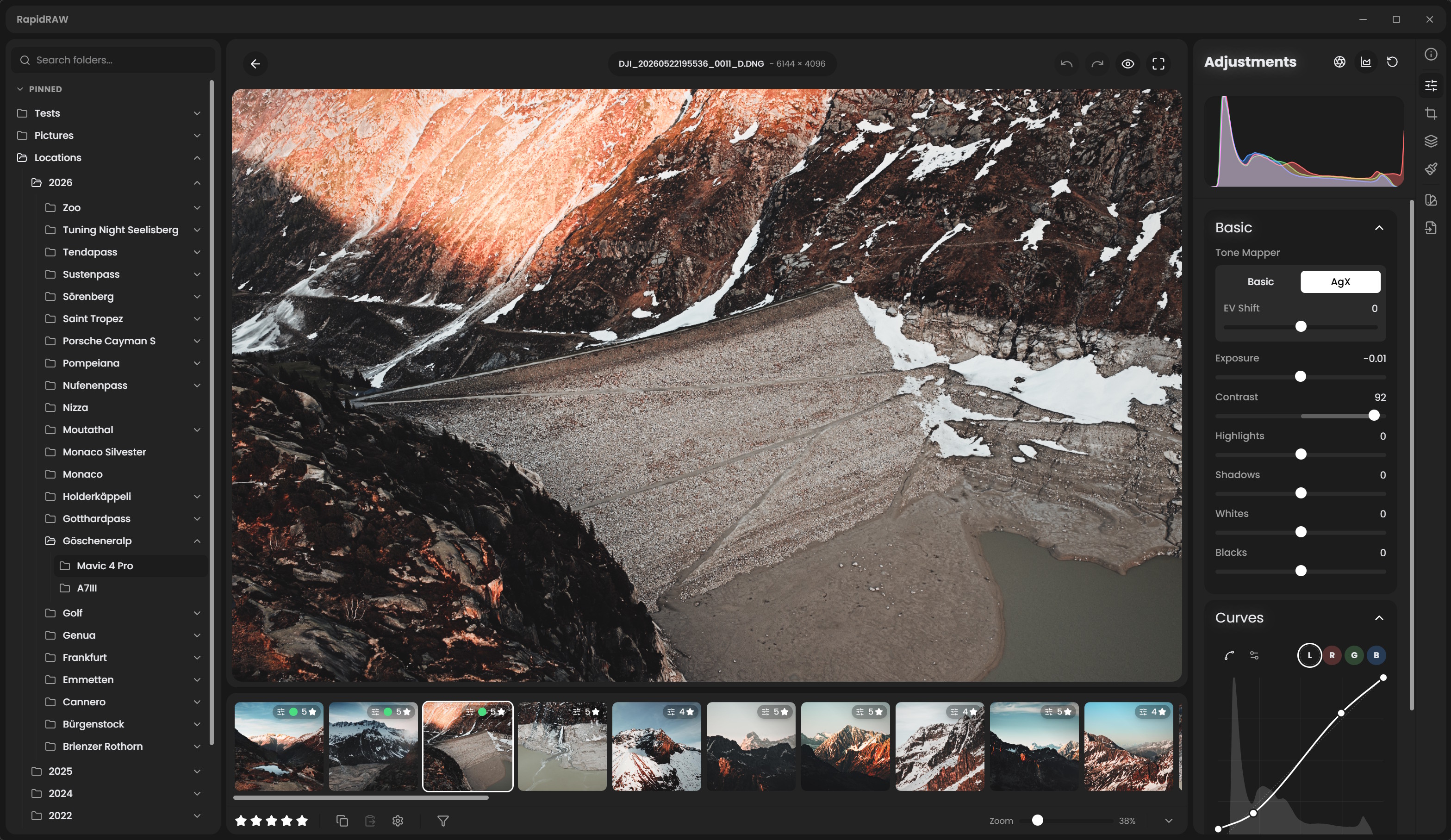
Filmstrip View: Quickly navigate between images in your current folder while editing.
Batch Operations: Apply adjustments or export entire batches of images simultaneously.
EXIF Data & CLI: Full metadata viewer and headless CLI batch exporter for scripting/terminal use.
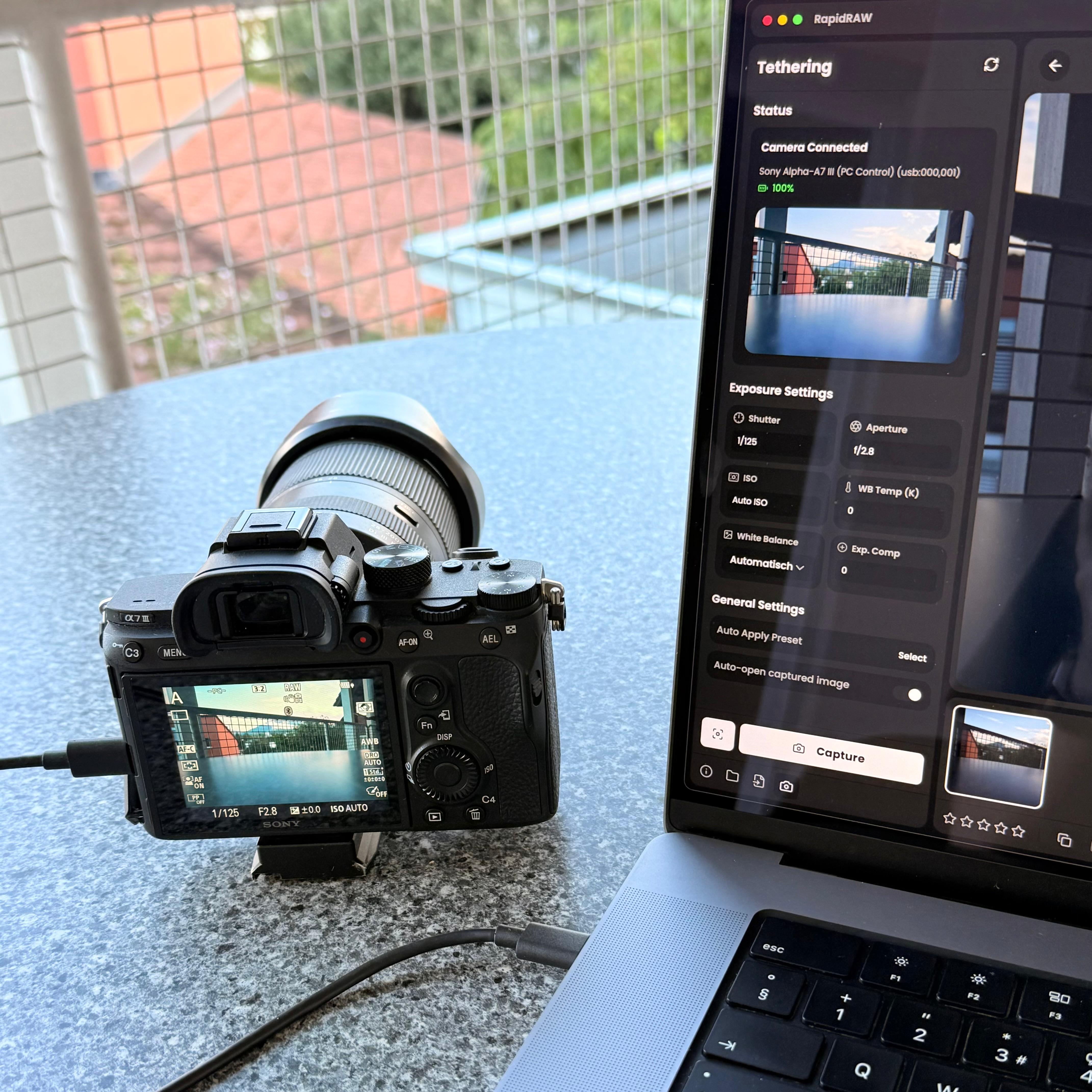
Camera Tethering: Shoot directly into RapidRAW with real-time Live View, remote camera controls and more.
Professional Grade Adjustments
Tonal Controls: Exposure, Tone Mapping (including AgX!), Contrast, Highlights, Shadows, Whites, and Blacks.
Tone Curves: Full control over Luma/RGB and parametric curves.
Color Grading: Temperature, Tint, Vibrance, Saturation, color wheels, and a full HSL color mixer.
Note: Is your camera's RAW file unsupported? Please open an issue directly with dnglab to request RAW decoding support for your camera model. Once added there, support will be updated in RapidRAW.
Supported Non-RAW Formats
RapidRAW isn't just for RAW files! You can also import, edit, and convert standard image formats:
Standard Formats:.jpg, .jpeg, .png, .webp, .jxl, .tiff, .tif, .bmp, .gif
High Dynamic Range (HDR) / Wide Gamut:.exr, .hdr
Graphics & Textures:.tga, .ico, .dds
Specialist Formats:.qoi, .ff
Netpbm Bitmaps:.pnm, .pbm, .pgm, .ppm, .pam
Lens Correction Support
RapidRAW supports automatic lens profile detection, distortion, transverse chromatic aberration (TCA), and vignetting correction powered by Lensfun.
Note: If your lens profile is missing, please open an issue directly on the Lensfun repository to request profile addition.
Supported Languages
RapidRAW is fully translated into the following 13 languages:
🇬🇧 English
🇪🇸 Català
🇩🇪 Deutsch
🇪🇸 Español
🇫🇷 Français
🇮🇹 Italiano
🇵🇱 Polski
🇵🇹 Português
🇷🇺 Русский
🇯🇵 日本語
🇰🇷 한국어
🇨🇳 简体中文
🇹🇼 繁體中文
Current Priorities
Here is an outlook on what is actively being developed and planned for the coming months:
Astrophotography Stacking: Implementing GPU-accelerated star alignment and stacking (mean, median, sigma-clipping) to merge multi-exposure night sky sequences into 32-bit linear composites.
Bug Fixes & Stability: Continuous memory optimization, resolving OS-specific crashes (such as Linux Wayland/WebKit edge cases), and refining GPU processing backend auto-selection for seamless performance across all platforms.
Cloud AI Inpainting: Launching the optional cloud generative AI integration to deliver high-quality object removal and generative replace without requiring local ComfyUI setups or heavy GPU hardware.
Performance & Algorithm Refinements: Further optimizing processing speed on older GPU architectures, refining Fujifilm X-Trans sensor demosaicing algorithms, and expanding UI responsiveness on mobile/Android devices.
AI Roadmap
I've designed RapidRAW's AI features with flexibility in mind. You have three ways to use them, giving you the choice between fast local tools, powerful self-hosting, and simple cloud convenience.
1. Built-in AI Tools (Local & Free)
These features are integrated directly into RapidRAW and run entirely on your computer. They are fast, free, and require no setup from you.
AI Masking: Instantly detect and mask subjects, skies, and foregrounds.
Automatic Tagging: The image library is automatically tagged with keywords using a local CLIP model, making your photos easy to search.
Simple Generative Replace: A basic, CPU-based inpainting tool for removing small distractions.
2. Self-Hosted Integration with ComfyUI (Local & Free)
For users with a capable GPU who want maximum control, RapidRAW can connect to your own local ComfyUI server. This is managed by the RapidRAW-AI-Connector, a lightweight middleware that bridges RapidRAW and ComfyUI. Its purpose is to manage image caching, workflow injection, and AI coordination.
Why this approach? This new architecture makes generative edits much more efficient. Instead of sending the entire high-resolution image for every single change, the AI Connector intelligently caches it. The full image is sent only once; for every subsequent edit, only the tiny mask and text are transferred. This makes the process significantly faster and more responsive.
This setup gives you the best of both worlds: a highly efficient workflow while retaining full control to use your own hardware and any custom Diffusion models or workflows you choose.
Full Control: Use your own hardware and any custom Diffusion model or workflow you choose.
Cost-Free Power: Utilise your existing hardware for advanced generative edits at no extra cost.
Custom Workflow Selection: Import your own ComfyUI workflows and use your custom nodes.
3. Optional Cloud Service (Subscription)
To be clear, I won't lock features behind a paywall. All of RapidRAW's functionality is available for free if you use the built-in tools or self-host.
However, I realize that not everyone has the powerful hardware or technical desire to set up and maintain their own ComfyUI server. For those who want a simpler solution, I will be offering an optional $TBD/month subscription.
This is purely a convenience service. It provides the same high-quality results as a self-hosted setup without any of the hassle - just log in, and it works. Subscribing is also the best way to support the project and help me dedicate more time to its development.
Feature
Built-in AI (Free)
Self-Hosted (ComfyUI)
Optional Cloud Service
Cost
Free, included
Free (requires your own hardware)
$TBD / month
Setup
None
Manual ComfyUI / AI Connector setup
None (Just log in)
Use Case
Everyday workflow acceleration
Full control for technical users
Maximum convenience
Status
Available
Available
Coming Soon
Initial Development Log
This project began as an intensive sprint to build the core functionality. Here's a summary of the initial progress and key milestones:
Click to expand the day-by-day development log
Day 1: June 13th, 2025 - Project inception, basic Tauri setup, and initial brightness/contrast shader implementation.
Day 2: June 14th - Core architecture refactor, full library support (folder tree, image list), and optimized image loading. Implemented histogram and curve editor support. Added UI themes.
Day 3: June 15th - Implemented a working crop tool, preset system, and context menus. Enabled auto-saving of edits to sidecar files and auto-thumbnail generation. Refined color adjustments.
Day 4: June 16th - Initial prototype for local adjustments with masking. Added mask support to presets. Bug-free image preview switching.
Day 5: June 17th - Major UI overhaul. Created the filmstrip and resizable panel layout. Fixed mask scaling issues and improved the library/welcome screen.
Day 6: June 18th - Performance tuning. Reduced GPU calls for adjustments, leading to a much smoother cropping and editing experience. Implemented saving of panel UI state.
Day 7: June 19th - Enhanced library functionality. Added multi-selection and the ability to copy/paste adjustments across multiple images.
Day 8: June 20th - Implemented initial RAW file support and an EXIF metadata viewer.
Day 9: June 21st - Added advanced detail adjustments (Clarity, Sharpening, Dehaze, etc.) and film grain. Developed a linear RAW processing pipeline.
Day 10: June 22nd - Implemented layer stacking for smooth preview transitions. Built a robust export panel with batch export capabilities. Added import/export for presets.
Day 11: June 23rd - Added full undo/redo functionality integrated with a custom history hook. Improved context menus and completed the settings panel.
Day 12: June 24th - Implemented image rotation and fixed all mask scaling/alignment issues related to cropping and rotation.
Day 13: June 25th - Rewrote the mask system to be bitmap-based. Implemented brush and linear gradient tools, with semi-transparent visualization.
Day 14: June 26th-27th - Final polish. Added universal keyboard shortcuts, full adjustment support for masks, theme management, and final UI/UX improvements. This ReadMe.
Getting Started
You have two options to run RapidRAW:
1. Download the Latest Release (Recommended)
Windows & macOS:
Grab the pre-built installer or application bundle for your operating system from the Releases page.
Linux:
The official Flatpak package supports all Linux distributions and is available on Flathub.
On Debian-based distributions, install the .deb package from the Releases page.
On Arch-based distributions, use the rapidraw-bin package from the AUR.
2. Build from Source
If you want to build the project yourself, you'll need to have Rust and Node.js installed.
# 1. Clone the repository
git clone https://github.com/CyberTimon/RapidRAW.git
cd RapidRAW

# 2. Install frontend dependencies
npm install

# 3. Build and run the application
npm start
To build the release build:
# 1. Make the release build
npm run tauri build

# 2. Run the release build
./src-tauri/target/release/RapidRAW
Camera Tethering Build (macOS & Linux)
To build with camera tethering support, install the system dependencies first:
Then run or build using the tethering feature flag:
# Development mode with Tethering
npm run start:tethering
# or: npm start -- -- --features tethering

# Release build with Tethering
npm run tauri build -- --features tethering
Camera Tethering
RapidRAW includes camera tethering for studio, portrait, and product photography workflows. Connect your camera via USB to control exposure settings, monitor your shot in real time, and automatically ingest files directly into your workspace.
Key Capabilities
Real-Time Live View: High-frame-rate live view with composition guides, 90° rotation, and horizontal flip.
Full Camera Control: Adjust Aperture, Shutter Speed, ISO, White Balance, Exposure Compensation, Exposure Mode, and Metering Mode directly from RapidRAW.
Autofocus Control: Trigger autofocus directly from RapidRAW.
Ghost Overlay: Overlay previous captures with adjustable opacity to maintain consistent framing and perspective.
Battery Monitoring: View the connected camera's battery level directly in RapidRAW.
Automatic Presets: Automatically apply a selected preset to newly captured images.
Instant Ingestion: Captured images are automatically saved to your active library, indexed, and optionally opened in the editor.
Live Camera Tethering Sony α7 III connected with real-time Live View
Supported Cameras
Tethering is powered by libgphoto2 and supports over 2,500+ camera models across Canon, Nikon, Sony, Fujifilm, Olympus, Panasonic, and other manufacturers.
Note: Ensure your camera's USB connection mode is set to PC Remote, Tether Shooting, or PTP in the camera settings.
Platform Support & Installation
Tethering is supported on macOS and Linux. Windows and Android are not supported.
Why is Tethering a Separate Build?
The tethering build dynamically links directly against libgphoto2. If these system libraries are not present on a machine, an executable linked against them will fail to launch entirely. To ensure standard RapidRAW builds remain dependency-free and start on any system without extra installation steps, tethering is distributed as a dedicated _tethering release.
Why is Windows Unsupported?
libgphoto2 is designed for POSIX environments and requires direct low-level access via libusb. On Windows, connected cameras are claimed by the operating system's native Windows Portable Device (WPD) drivers. Interfacing with libgphoto2 on Windows requires overriding OEM drivers with WinUSB (using tools like Zadig), which breaks standard file transfer and camera utilities. Because of these driver conflicts and platform limitations, Windows is fully unsupported.
Setting up the Tethering Build
To run the _tethering release binaries (or build from source), you must install libgphoto2 on your machine first.
After installing the system dependencies, download the corresponding _tethering build from the Releases page, or run/build from source using the tethering feature flag.
Command Line Interface (CLI)
RapidRAW includes a headless export tool for batch processing photos in automated scripts, terminal pipelines, or server environments without opening the GUI:
# Export an entire folder using edits found in .rrdata sidecar files
rapidraw export /path/to/photos --output /path/to/output_dir --format jpeg --quality 90

# Export a single image directly to a specific target file
rapidraw export /path/to/photo.raw --output /path/to/output.png --format png

# Export a true 16-bit TIFF (the TIFF default; use 8 for an RGB8 TIFF)
rapidraw export /path/to/photo.raw --output /path/to/output.tiff --format tiff --tiff-bit-depth 16

# Batch export a folder using a custom adjustments JSON file to override sidecars
rapidraw export /path/to/photos --output /path/to/output_dir --adjustments /path/to/preset.json
Note: By default, headless export automatically detects and applies edits stored in .rrdata sidecar files located alongside your source images. You can override sidecars for all exported images by passing a custom JSON file using the --adjustments flag.
Option
Description
Default
``
Path to an image file or directory containing images
(Required)
--output
Target directory or specific output file path
(Required)
--format
Output format (jpeg, png, webp, avif, tiff, jxl, cube)
jpeg
--quality
Image export quality
90
--tiff-bit-depth
TIFF channel depth (8 or 16)
16
--keep-metadata
Retain EXIF/capture metadata in exported files
false
--adjustments
Path to a custom JSON file containing adjustments to override sidecars
(Auto-detected)
System Requirements
RapidRAW is built to be lightweight and cross-platform. The minimum (tested) requirements are:
Operating System:
Windows: Windows 10 or newer
macOS: macOS 13 (Ventura) or newer
Linux: Ubuntu 22.04+ or a compatible modern distribution
Hardware Recommendations:
RAM:16GB or more is highly recommended. While the application may run on systems with less memory, performance is best with 16GB+ to handle high-resolution RAW files, undo history, and complex layer masking without slowdowns.
GPU: A dedicated GPU is recommended. RapidRAW relies heavily on GPU acceleration for its processing pipeline. Very old GPU architectures (generally pre-2015) or older integrated graphics may struggle, leading to instability or graphical artifacts.
Common Problems
App crashes when opening an image / entering edit mode
If the application crashes immediately when you try to start editing a picture, it is often due to the automatic selection of the GPU backend.
Open Settings on the Home Screen (Gear icon).
Navigate to the Processing tab.
Locate the Processing Backend setting.
Change it from Auto to a specific backend supported by your OS (e.g., Vulkan, DirectX12, OpenGL, or Metal).
Restart the application and try opening the image again. Experiment with different backends if the first one doesn't work.
Linux Wayland/WebKit Crash
If RapidRAW crashes on Wayland (e.g. GNOME + NVIDIA), try launching it with:
WEBKIT_DISABLE_DMABUF_RENDERER=1 RapidRAW
or
WEBKIT_DISABLE_COMPOSITING_MODE=1 RapidRAW
This issue is related to WebKit and NVIDIA drivers, not RapidRAW directly. Switching to X11 or using AMD / Intel GPUs may also help.
I’m really grateful for any contributions you make to RapidRAW! Whether you’re reporting a bug, suggesting a new feature, or submitting a pull request - your input helps shape the project and makes it better for everyone. Don’t hesitate to open an issue or share your ideas.
Image format issues
If your camera’s RAW files aren’t supported, please open a issue here first: rawler issues. Once support is added in rawler, create a issue for RapidRAW so I can update the packages and keep everything in sync.
Special Thanks
A huge thank you to the following projects and tools that were very important in the development of RapidRAW:
Google AI Studio: For providing amazing assistance in researching, implementing image processing algorithms and giving an overall speed boost.
rawler: For the excellent Rust crate that provides the foundation for RAW file processing in this project.
lensfun: For its invaluable open-source library and comprehensive database for automatic lens correction.
LaMa: For the powerful & simple image inpainting model, which enables content-aware fill and object removal.
SAM 2: For providing the foundation model used for the AI subject detection capabilities.
U-2-Net: For providing the robust architecture used for the AI sky and foreground detection capabilities.
Depth Anything V2: For the powerful monocular depth estimation model that enables the AI depth masking capabilities.
nind-denoise: For providing AI models that power the AI noise reduction capabilities in RapidRAW.
NegPy: For the inspiration behind the negative conversion logic, particularly the mathematical approach to film inversion using characteristic curves.
pixls.us: For being an incredible community full of knowledgeable people who offered inspiration, advice, and ideas.
darktable & co.: For some reference implementations that guided parts of this work.
libgphoto2: For the comprehensive camera communication library powering RapidRAW's tethering and remote capture subsystem.
spektrafilm: For the spectrally-based film emulation LUTs by Andrea Volpato, used to power RapidRAW's built-in film emulations.
You: For using and supporting RapidRAW. Your interest keeps this project alive and evolving.
Support the Project
As a young developer balancing this project with an apprenticeship, your support means the world. If you find RapidRAW useful or exciting, please consider donating to help me dedicate more time to its development and cover any associated costs.
This project is licensed under the GNU Affero General Public License v3.0 (AGPL-3.0). I chose this license to ensure that RapidRAW and any of its derivatives will always remain open-source and free for the community. It protects the project from being used in closed-source commercial software, ensuring that improvements benefit everyone.
RapidRAW is open source under the AGPL-3.0 licence. There is no licence fee and no seat count — you can self-host it or, where the project offers one, pay a vendor for a managed version instead.
What does RapidRAW do?
A beautiful, non-destructive, and GPU-accelerated RAW image editor built with performance in mind.
What is RapidRAW written in?
RapidRAW is primarily written in TypeScript. Its source is publicly available at https://github.com/CyberTimon/RapidRAW, and it has 10,115 GitHub stars.