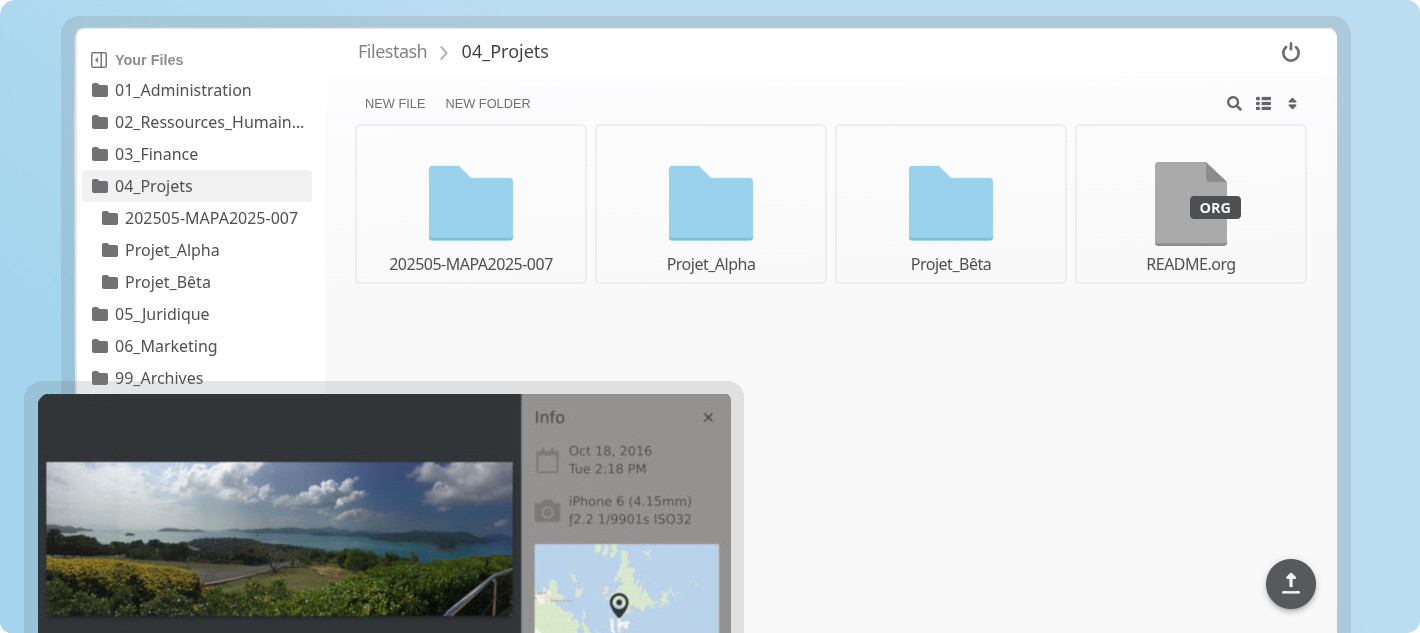
What is this?
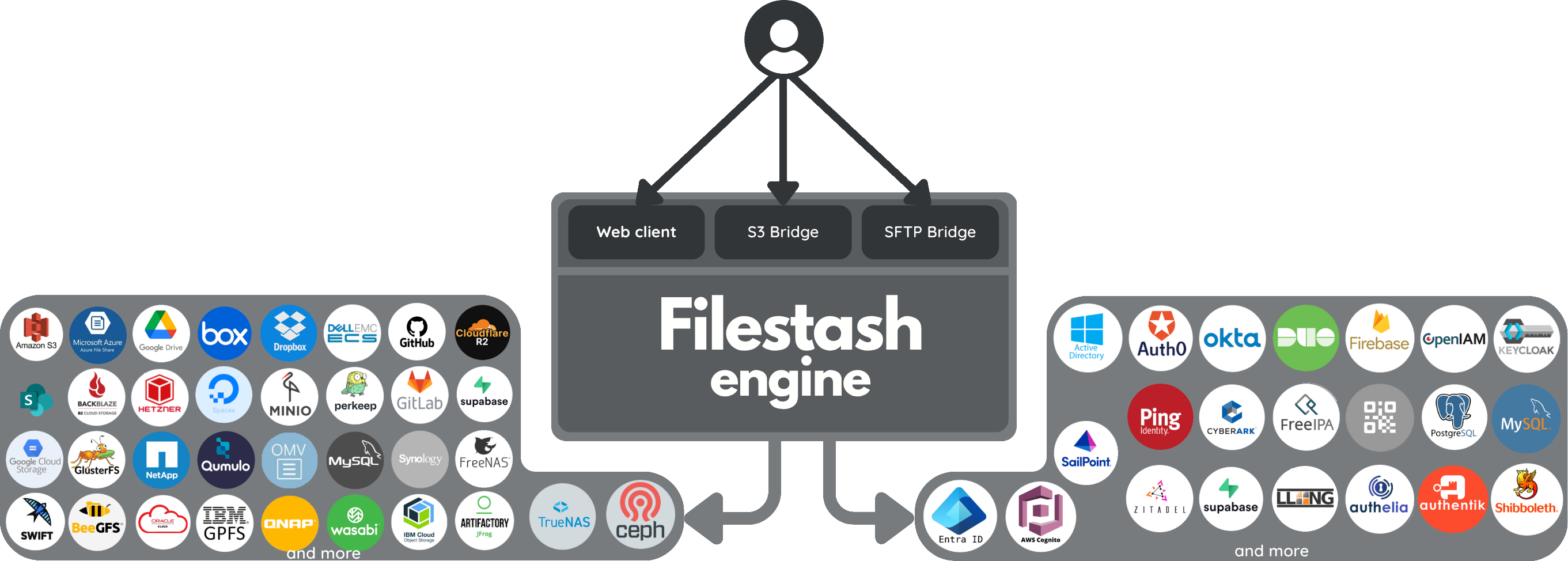
Filestash started as a storage agnostic Dropbox-like file manager that speaks every storage protocol (FTP, SFTP, S3, SMB, WebDAV, IPFS, and about 20 more). It grew into what we want to be the world's best file management platform, centered around 3 separate products:
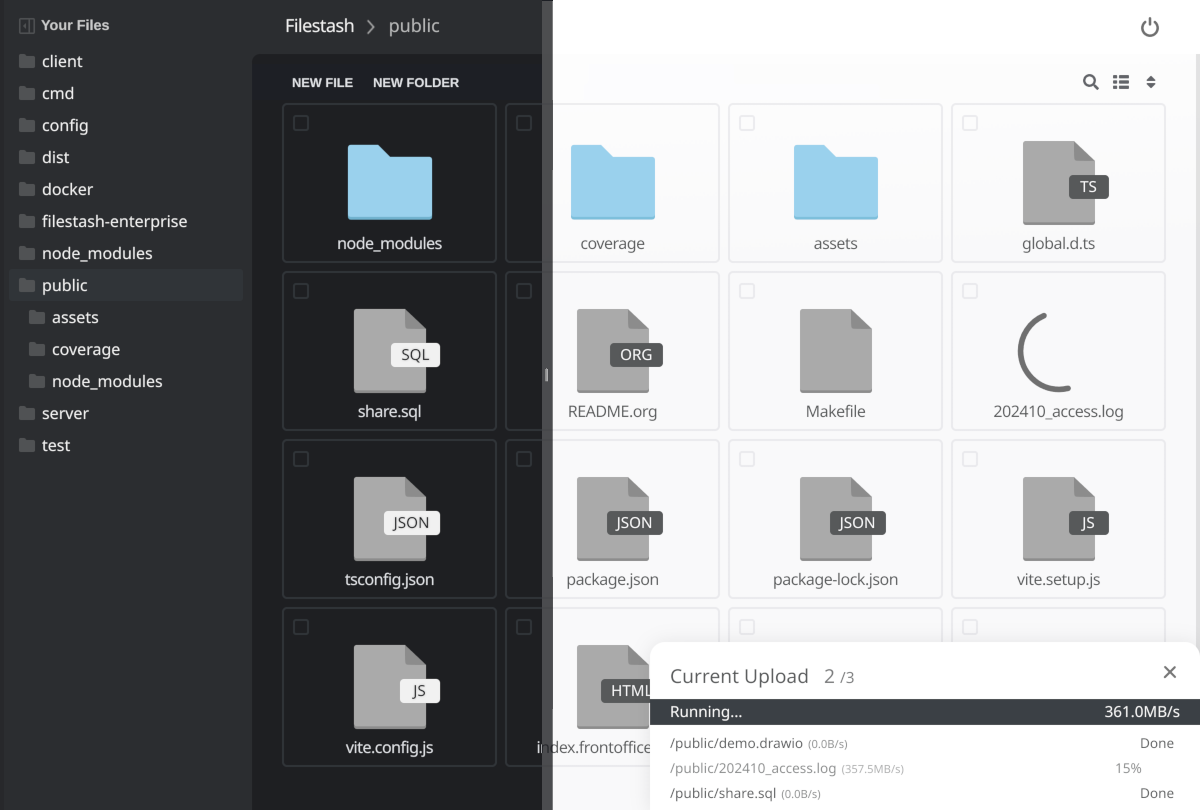
- Web client (the file manager available from your browser): documentation / screenshot / demo
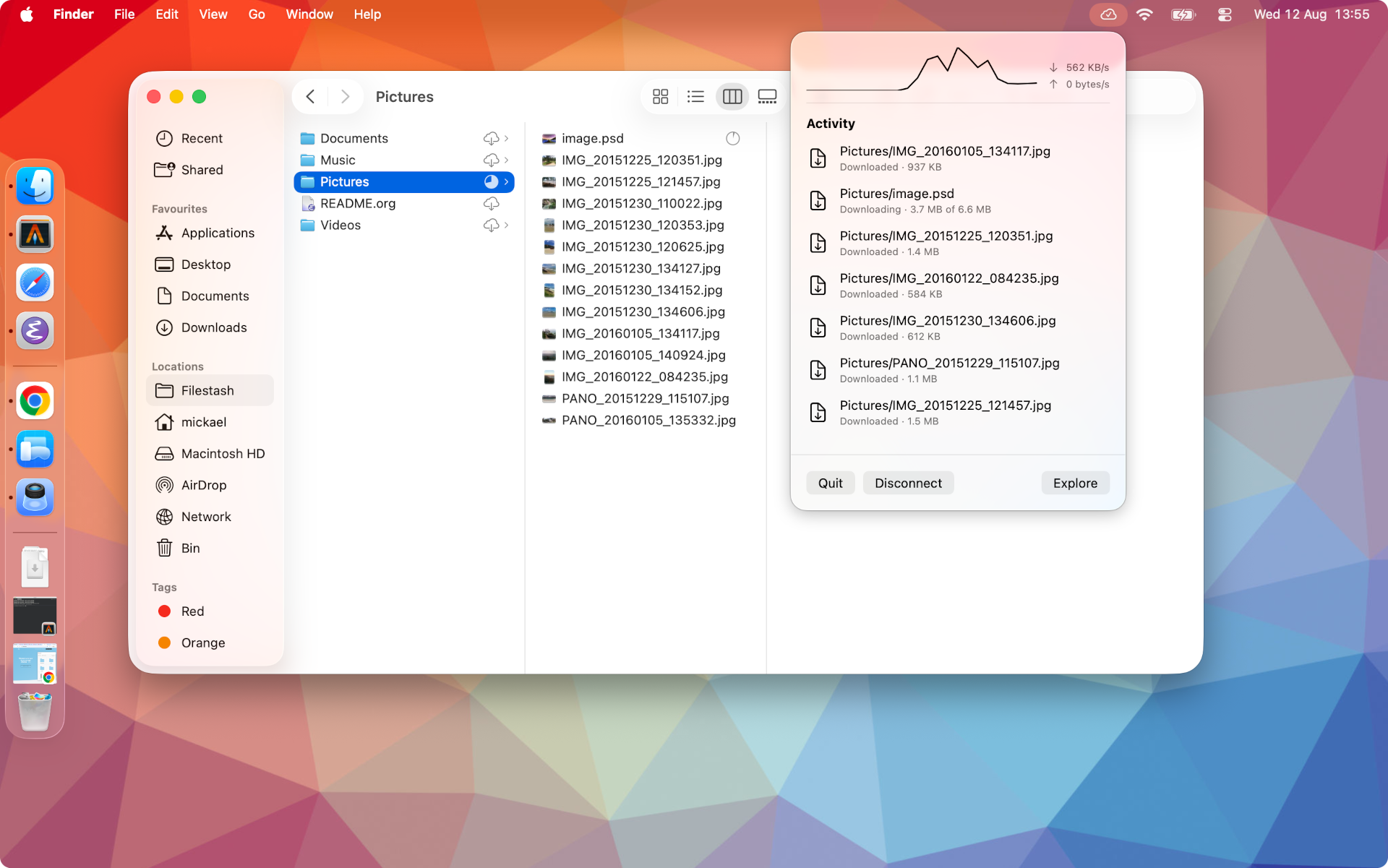
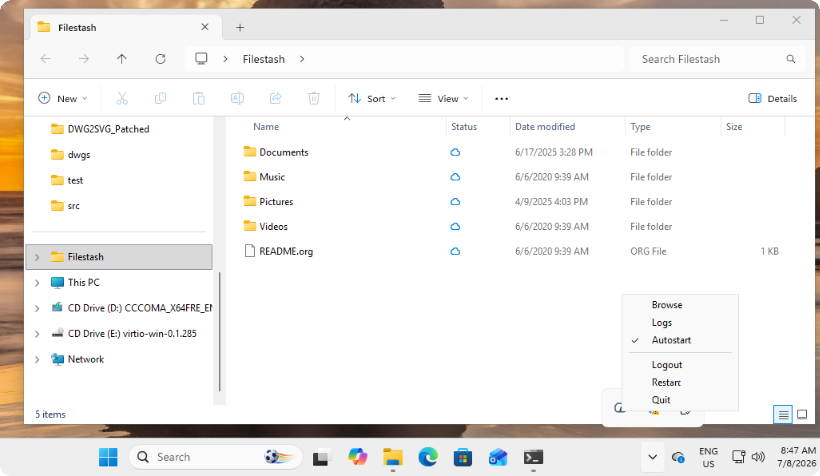
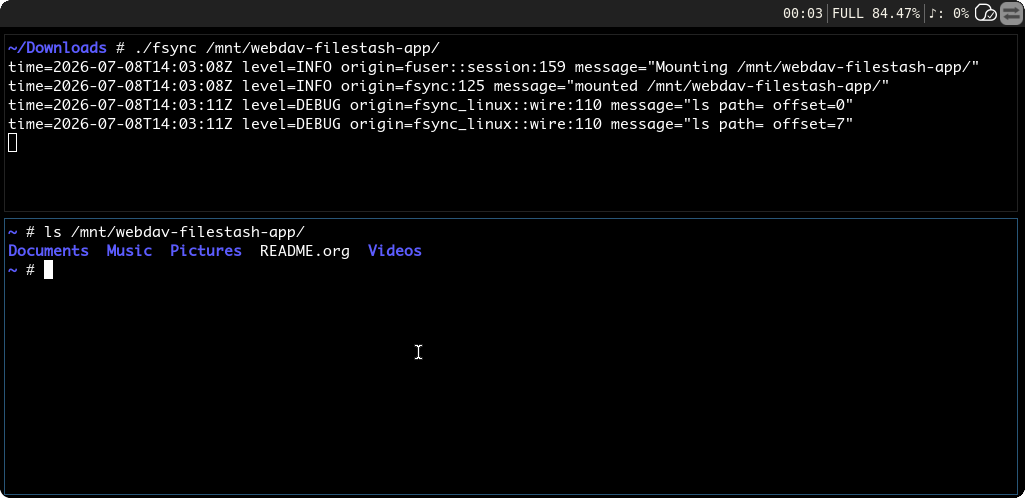
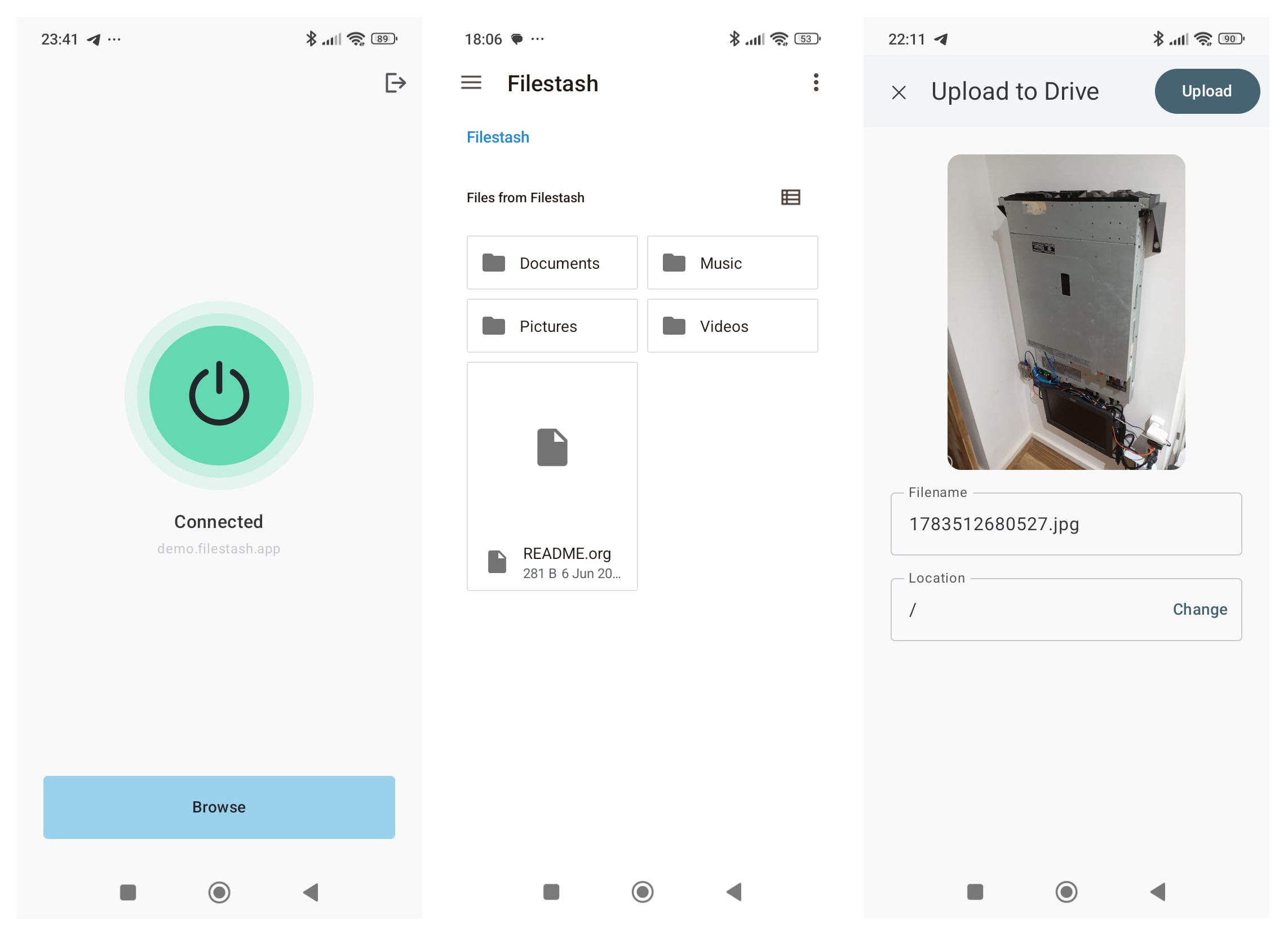
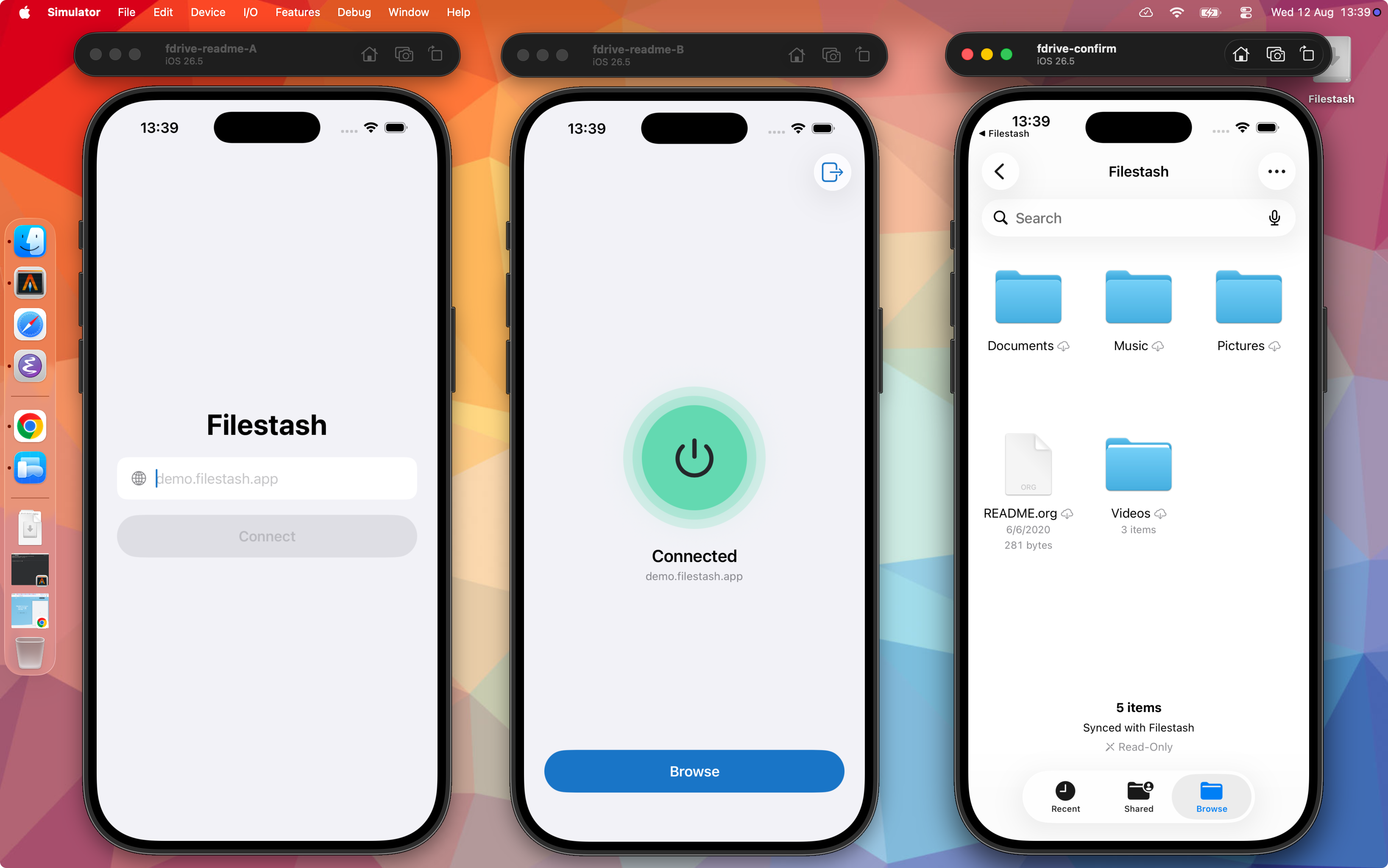
- Native client (to sync your data on your device): repo / screenshots for mac, windows, linux, android & iphone
- Gateways (to expose your storages over any protocol): showcase
The philosophy that guides this project is: "anything that's not a fundamental truth of the universe lives in a plugin". That keeps the core lean and fast, and the opinions replaceable, so when your requirements get deep or weird, the answer is a plugin, not a fork. You only carry the bloat you really need.
Key Features
- Plugin Driven Architecture: everything that matters is a plugin, browse the ecosystem or build your own. With this approach, you get exactly what you need without overhead and bloat.
- Universal Access: the web client is just one way to access your data (albeit an awesome one, handcrafted in vanilla JS). APIs and Gateways let you also expose your data over protocols like SFTP, S3, FTP, WebDAV, MCP, and AS2.
- Integrations: our explicit goal is to support 100% of storage and authentication technologies on the market. Beyond your usual options, you can go much further, like a virtual filesystem delegating authentication to your WordPress site and using its roles to drive RBAC authorization.
- Workflow Engine: automate anything that happens to your files by chaining actions on events, from simple notifications via Slack or email to full on MFT pipelines and everything in between.
- File Apps: use any of the existing apps or build your own, from astronomy to embroidery and everything in between like:
- photography: heif, nef, raf, tiff, raw, arw, sr2, srf, nrw, cr2, crw, x3f, pef, rw2, orf, mrw, mdc, mef, mos, dcr, kdc, 3fr, erf and srw
- astronomy: fits, xisf
- science: with latex, plantuml & pandoc compilers
- music: mid, midi, gp4 and gp5
- GIS: geojson, shp, gpx, wms and dbf
- data engineering: parquet, arrow, feather, avro, orc, hdf5, h5, netcdf, nc, rds, rda and rdata
- dev: a, so, o, dylib, dll, tar, tgz, zip, har, cap, pcap, pcapng and sqlite
- creative work: svg, psd, ai, sketch, cdr, woff, woff2, ttf, otf, eot, exr, tga, pgm, ppm, dds, ktx, dpx, pcx, xpm, pnm, xbm, aai, xwd, cin, pbm, pcd, sgi, wbmp and rgb
- biomedical: dicom, sam, bam, cif, pdb, xyz, sdf, mol, mol2 and mmtf
- autodesk: dwg and dxf
- adobe: psd, ai, xd, dng, postscript, aco, ase, swf
- 3d: fbx, gltf, obj, stl, step, mesh, ifc, dae
- embroidery: dgt, dst, dsb, dsz, edr, exp, 10o, col, hus, inf, jef, ksm, pcm, pcs, pes, sew, shv, sst, tap, u01, vip, vp3 and xxx
- e2e: pgp, gpg
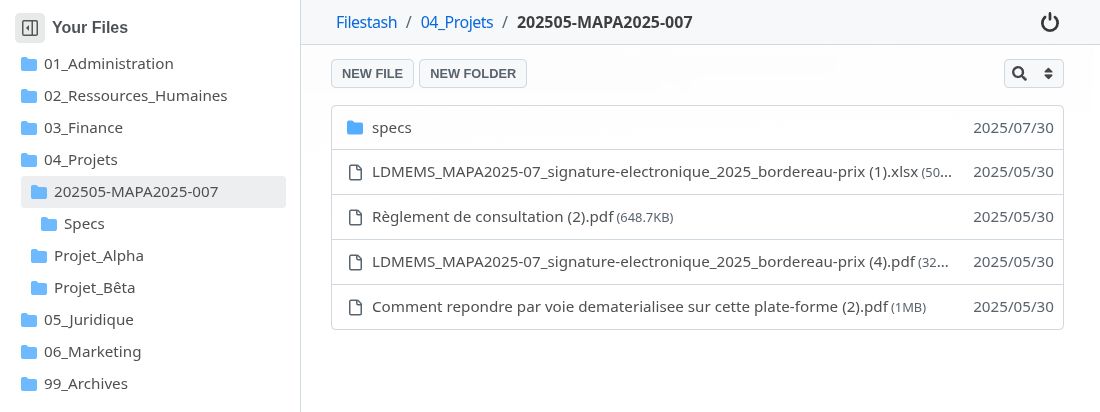
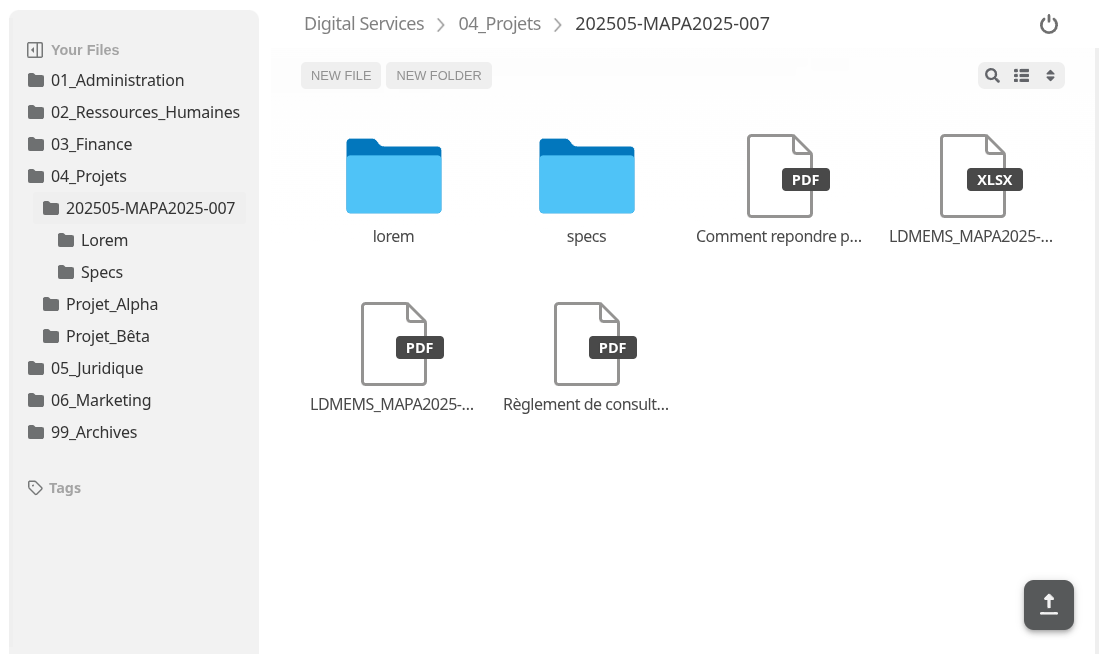
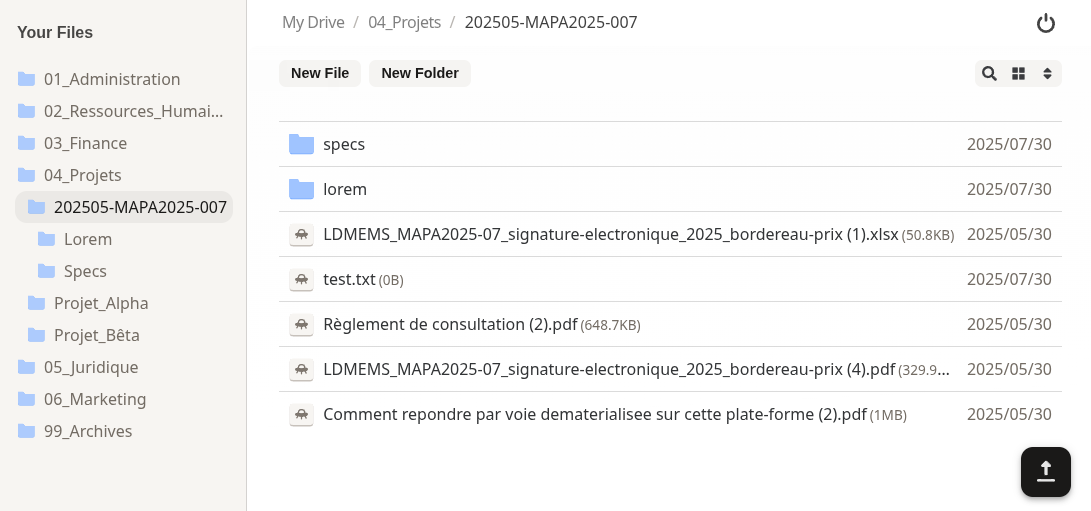
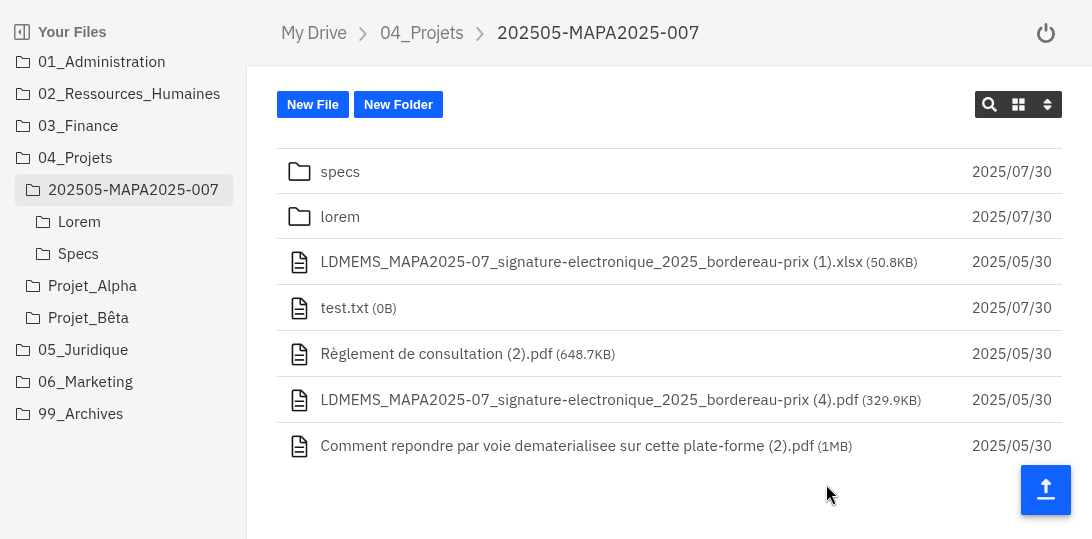
- Themes:
- AI features for readme truncated — read the full docs on github