

BrowserOS is a free, open source browsers & extensions project written in TypeScript and released under AGPL-3.0. It has 13,700 GitHub stars, 1,454 forks and 82 open issues, and was last pushed 6 hours ago. On this registry it ranks #31 of 65 tracked projects in Browsers & Extensions, with 5 head-to-head comparisons available. It gained 21 stars over the last 3 tracked days.

What is BrowserOS?

BrowserOS is an open-source agentic browser, written in TypeScript under AGPL-3.0, that puts AI agents inside a real Chromium browser on the user's own machine so they can work with real logged-in accounts, and it is aimed at people who already use an agent harness such as Claude Code, Codex, Cursor, or any MCP agent and want that agent to handle web tasks instead of a sandbox.

What it is

The repository ships two browsers that run side by side. BrowserOS neo is described as "a second browser, just for your AI agents": the user keeps their daily browser, imports logins, bookmarks, and extensions from Chrome in one click, connects an existing agent, and hands off web tasks. Agents run in parallel, each in its own tab, while the user keeps browsing. The second product, BrowserOS, is a Chromium fork with an AI agent built into every new tab, for when the person, not the agent, is the one browsing; it accepts the user's own AI keys or runs entirely locally through Ollama. Both ship from the same repository, and the project's topics cover agent, browser, chromium, llm, lmstudio, ollama, macOS, Windows, and Linux.

The concrete problem it solves is that agents need logged-in web state. Playwright and agent-browser spin up a fresh Chrome subprocess with no logins, which the README calls great for CI and useless for real work such as "read my inbox." Cloud browsers such as browser-use and browserbase run in a datacenter, where logging into personal accounts is a pain and sites like Twitter and LinkedIn block the datacenter IP. Locked-in AI browsers such as Atlas, Comet, and Dia only work with their own AI. BrowserOS neo replaces the headless driver and the cloud browser with a local browser listening on 127.0.0.1 that persists real logins across sessions and works with the agents the user already pays for.

Key capabilities

  • One-click Chrome import brings over logins, bookmarks, and extensions, so agents work with real accounts from the first task.
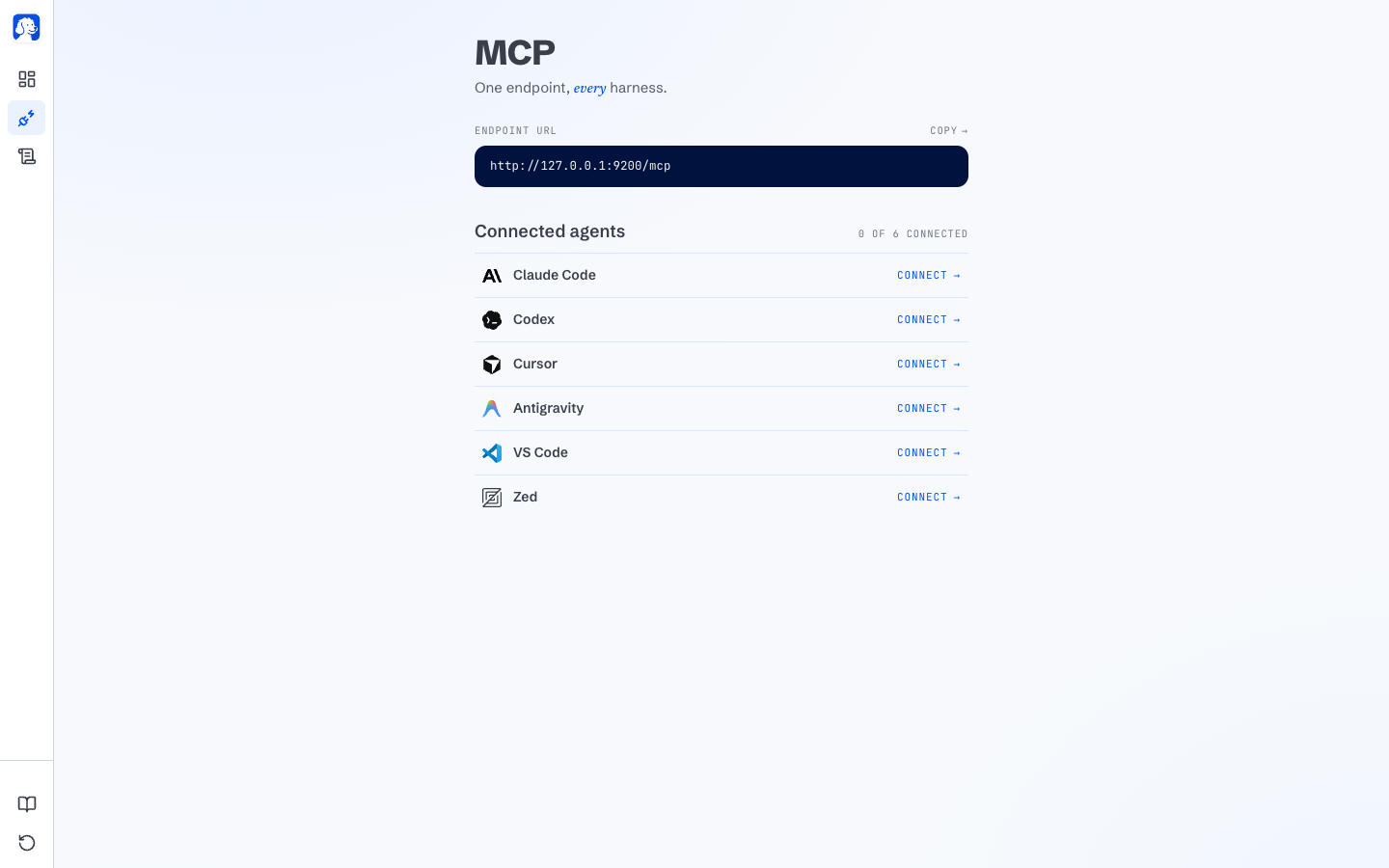
  • One-click connect finds Claude Code, Codex, Cursor, VS Code, OpenClaw, and Hermes on the machine and accepts any MCP agent.
  • Parallel agents: several tasks fire at once, each in its own tab.
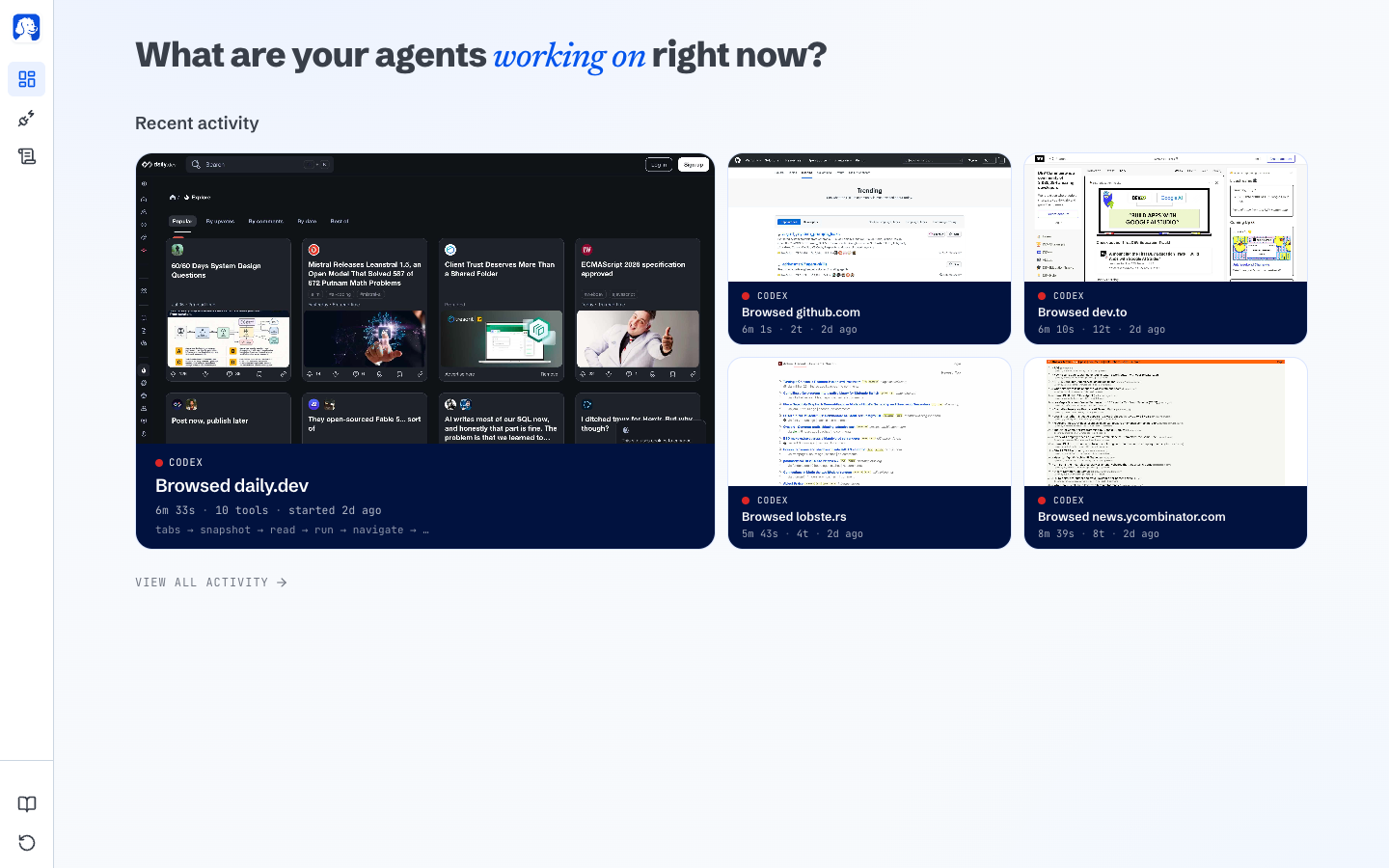
  • Live dashboard on the new tab shows every running agent, which site it is on, what it is doing, and how far along it is.
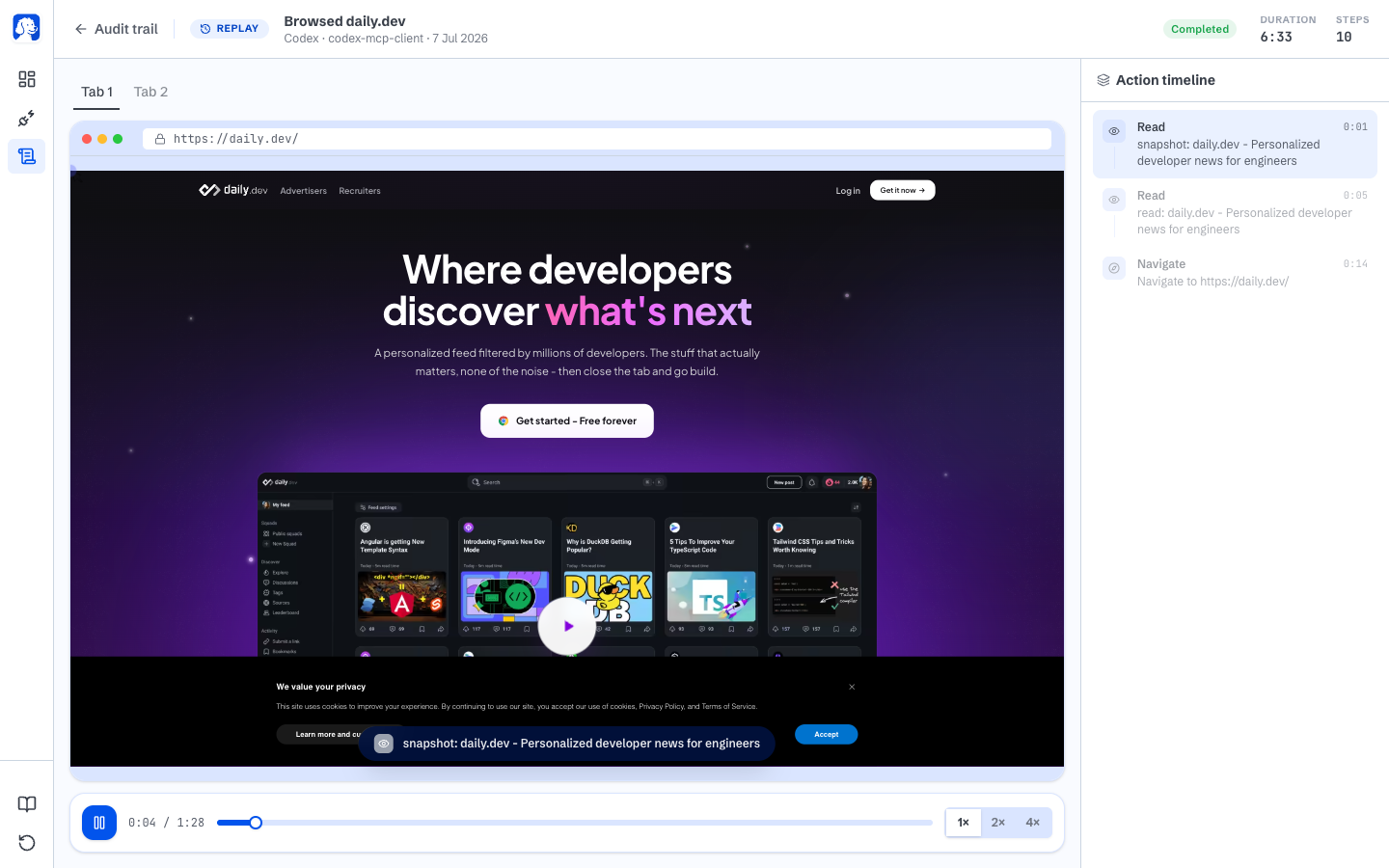
  • Every session is saved as a scrubbable video on disk with a step-by-step action timeline, so any run can be replayed.
  • Local-only storage: sessions, screenshots, and history live under ~/.browserclaw/ and never leave the machine.
  • Fewer tokens than alternatives such as Claude's Chrome extension or the Codex browser for the same task.

Who uses it and how

  • Individuals and small teams already paying for Claude Code, Codex, Cursor, or a similar harness who want those agents acting against logged-in accounts.
  • Social and marketing work: posting to LinkedIn and Twitter/X, queueing posts, and pulling engagement numbers.
  • Inbox and admin work: clearing an inbox and unsubscribing from junk email.
  • Back-office operations: updating a CRM, filing expenses, and pulling reports from internal tools.
  • Teams assessing it at company scale: the README routes enterprises to [email protected] with a subject line asking for company, team size, and what they want to automate.

Getting started

On macOS, install with brew tap browseros-ai/tap followed by brew install --cask browseros-neo; direct downloads are also offered as BrowserOS_neo.dmg for macOS and BrowserOS_neo_installer.exe for Windows.

How it compares

The facts name three groups of neighbours rather than one: headless drivers such as Playwright and agent-browser, cloud browsers such as browser-use and browserbase, and the AI browsers ChatGPT Atlas, Perplexity Comet, and Dia. Where the drivers and cloud browsers offer no logged-in state or a datacenter IP, and the branded AI browsers tie the user to their own model, BrowserOS neo runs locally on 127.0.0.1 and connects to whichever agent is already in use and already paid for. It is free and open source under AGPL-3.0, and the code runs on the user's machine rather than a vendor's.

When to use it โ€” and when not to

BrowserOS neo does not supply the AI itself, so a user still needs an agent harness such as Claude Code, Codex, or Cursor, and session recordings, screenshots, and history accumulate on local disk under ~/.browserclaw/. It is explicitly not a Chrome replacement, so anyone wanting one daily browser for everything should not pick it, and anyone wanting a headless setup for CI should stay with the drivers the README rules out. The install instructions cover macOS via Homebrew cask and direct macOS and Windows downloads, while Linux appears only in the topic list, and agents acting with real credentials mean mistakes touch real accounts.

project readme (upstream, from github) โ€” read inline
BrowserOS neo: the missing browser for your AI agents


Discord Slack X / Twitter GitHub stars AGPL-3.0

BrowserOS neo - The Missing Browser for Claude, Cowork & Codex | Product Hunt browseros-ai%2FBrowserOS | Trendshift

Download for macOS Download for Windows

Website ยท Docs ยท Enterprise

Free ยท Open source ยท Everything runs on your machine

A second browser, just for your AI agents. Import your logins from Chrome in one click, connect Claude Code, Codex, or any MCP agent, and hand off your web tasks. Agents run in parallel in their own tabs. You watch live, or replay any session like a video.

BrowserOS neo is not a Chrome replacement. It is a secondary browser that sits next to Chrome, made friendly to agents.

Get started

1. Install BrowserOS neo

brew tap browseros-ai/tap
brew install --cask browseros-neo

Prefer a direct download? Grab it for macOS or Windows.

2. Import from Chrome

One click brings over your logins, bookmarks and extensions. Your agents work with your real accounts from the first task.

3. Connect your agent

BrowserOS neo finds Claude Code, Codex, Cursor, VS Code, OpenClaw and Hermes on your machine. Connect any of them with one click.

4. Give it a task

From your agent, not from the browser:

Book me the cheapest flight to London.

Watch it happen live in your new tab, or replay it later.

What can your agents do?

Anything that needs a logged-in browser:

  • Post content to your social media (LinkedIn, Twitter/X), queue posts, pull engagement numbers
  • Clear your inbox, unsubscribe from junk email
  • Update your CRM, file expenses, pull reports from internal tools

Key features

Live dashboard

Your new tab shows every agent working right now: which site it's on, what it's doing, how far along. Docs

One-click connect

Automatically connects to every harness. We built tools optimized for web use! Docs

Replay every session

Every session is saved as a scrubbable video on your disk with a step-by-step action timeline. Rewind and see exactly what happened. Docs
  • Your logins. Agents automate your real work using your logged-in accounts, not a blank sandbox. How it works
  • Parallel agents. Fire off several tasks at once. Each agent works in its own tab while you keep browsing.
  • Fewer tokens. For the same task, BrowserOS neo uses fewer tokens than the alternatives, such as Claude's Chrome extension or the Codex browser.
  • Local-only, privacy-first. Sessions, screenshots, and history live under ~/.browserclaw/ and never leave your machine. Privacy

Why BrowserOS neo over the alternatives?

  • Not a headless driver. Playwright and agent-browser spin up a fresh Chrome subprocess with no logins. Great for CI, useless for real work which requires your logged-in state like "read my inbox." BrowserOS neo imports your logins with one click and persists them across sessions.
  • Not a cloud browser. Cloud browsers (like browser-use, browserbase) run in a datacenter, so logging into your accounts is a pain, and sites like Twitter and LinkedIn block you because you are on a datacenter IP. BrowserOS neo runs on your machine, on 127.0.0.1.
  • Not a locked-in AI browser. Atlas, Comet, and Dia only work with their own AI. BrowserOS neo works with the agents you already use and pay for: Claude Code, Cowork, Codex, Cursor, and others.

Also in this repo: BrowserOS

BrowserOS, the AI browser for humans

A Chromium fork with an AI agent built into every new tab, for when you are the one browsing. Bring your own AI keys or run everything locally with Ollama.

Read about BrowserOS  ยท  Website  ยท  Docs

FAQ

What's the difference between BrowserOS neo and BrowserOS? BrowserOS neo is a browser your AI drives. BrowserOS is a browser you drive, with an AI agent built in. Both ship from this repo and run side by side. Keep your daily browser, and let agents work in neo.

Which AI tools work with BrowserOS neo? Any AI that speaks MCP. Claude Code, Codex, Cursor, VS Code, Zed, OpenCode, Hermes, OpenClaw and Antigravity connect with one click.

Does anything leave my machine? Your sessions, screenshots, history, and settings live under ~/.browserclaw/ and never upload. BrowserOS neo sends anonymous product-usage events (agent connect/disconnect, version, OS) to help us improve the app; it never sends URLs, page content, prompts, tool results, or screenshots. Off with one toggle in Settings. Full policy.

Do my Chrome extensions and bookmarks work? Yes. Both browsers are Chromium forks, so Chrome extensions work and your bookmarks, passwords, and settings import in one click.

What platforms are supported? BrowserOS neo runs on macOS and Windows. BrowserOS runs on macOS, Windows, and Linux. System requirements match Google Chrome.

Get help

readme truncated โ€” read the full docs on github

Frequently asked questions

Is BrowserOS free to use?

BrowserOS is open source under the AGPL-3.0 licence. There is no licence fee and no seat count โ€” you can self-host it or, where the project offers one, pay a vendor for a managed version instead.

What does BrowserOS do?

๐ŸŒ The open-source Agentic browser; alternative to ChatGPT Atlas, Perplexity Comet, Dia.

What is BrowserOS written in?

BrowserOS is primarily written in TypeScript. Its source is publicly available at https://github.com/browseros-ai/BrowserOS, and it has 13,700 GitHub stars.