
Zato /zɑːtəʊ/
ESB, SOA, API and Cloud Integrations in Python.
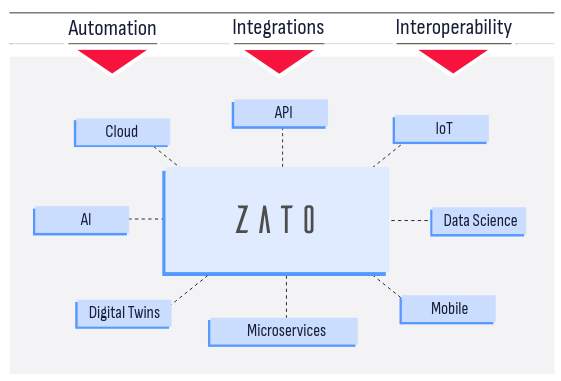
Zato is a Python-based, open-source platform that lets you automate, integrate and orchestrate business systems, APIs, workflows as well as hardware assets in industries such as airports, defense, health care, telecommunications, financial services, government and more.
What does it look like in practice?
# Zato
from zato.server.service import Service

class RESTService(Service):

    def handle(self):

        # Request to send ..
        request = {'user_id':123, 'balance':1357, 'currency':'USD'}

        # .. get a connection to our previously created REST endpoint ..
        conn = self.out.rest['Billing'].conn

        # .. invoke it ..
        response = conn.post(self.cid, request)

        # .. and return the response to our caller.
        self.response.payload = response.data
Learn more
Visit https://zato.io for the details, including: