What it is
YunoHost is an operating system project whose core repository contains code that aims to simplify the administration of a server. It lives in the self-hosted server administration ecosystem, and the repository is written mostly in Python and Bash. Its homepage, documentation, and issue tracker point to a broader YunoHost ecosystem rather than a single standalone application.
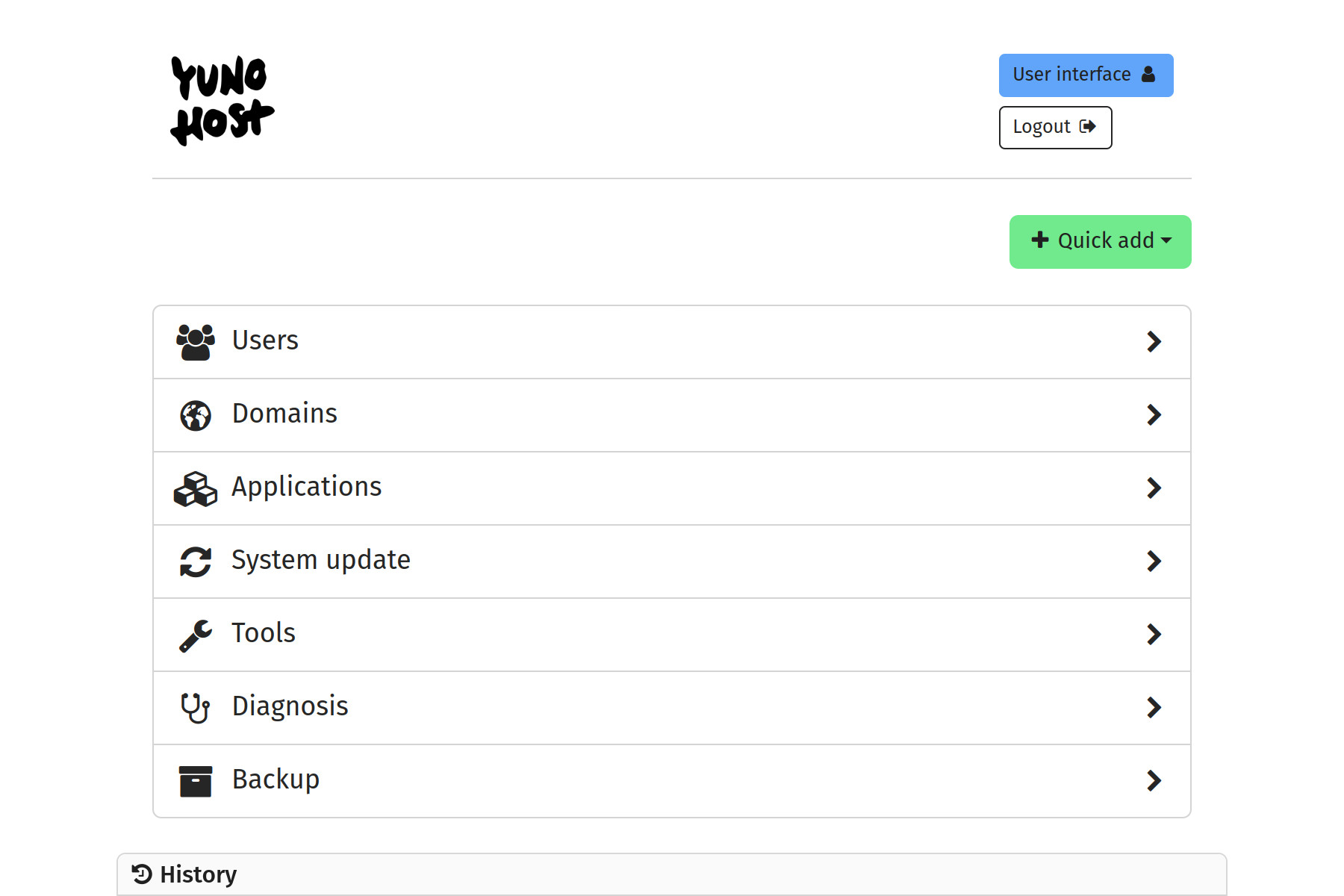
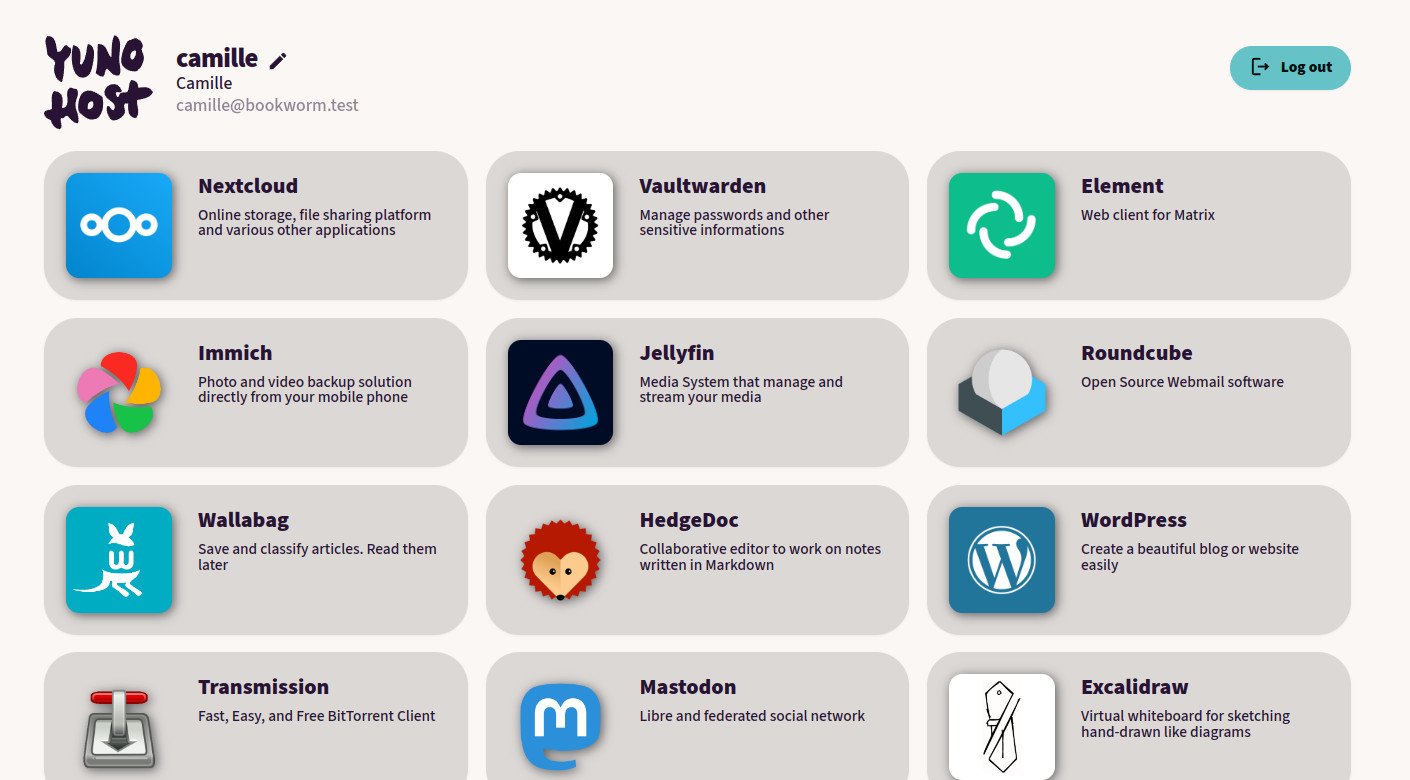
The concrete problem it addresses is the routine burden of running a server for self-hosted services. Instead of leaving an administrator to manage each part of a server through separate tools, YunoHost presents a core system with a webadmin interface and a single sign-on user portal. The README frames the repository as the core code of that system, while the tagline describes the goal as self-hosting your digital life with ease.
Key capabilities
- YunoHost provides a core server administration system for self-hosted environments, as indicated by the project description and self-hosted topics.
- The project includes a webadmin interface, referenced in the README screenshots section as Yunohost-Admin.
- The project includes a single sign-on user portal, referenced as Yunohost-portal combined with SSOwat.
- The core code is implemented mainly in Python and Bash, according to the GitHub description and README.
- The README links to project documentation for features, installation, and development, including the install documentation page.
- The project uses a separate issue tracker for support and bug reports, rather than keeping all issue discussion in the core repository.
- The repository is distributed under the GNU AGPL v3 license, the same license noted for other components of YunoHost.
Who uses it and how
- Self-hosters use YunoHost as a base operating system for running their own server, in line with the self-hosted topics.
- Server administrators use the webadmin interface to manage the core system from a browser-based interface.
- End users of a YunoHost server can access services through the single sign-on user portal.
- Contributors use the developer documentation, dev chatroom, and separate issue tracker to learn the codebase and report problems.
- Translators use the YunoHost translation platform to help localize the project.
Getting started
The README directs users to the YunoHost install documentation at doc.yunohost.org/admin/get_started/install_on/ for installation. Developers can start from the development documentation at doc.yunohost.org/dev and join the project chatroom for discussion.
When to use it — and when not to
YunoHost fits people who want a self-hosted operating system for server administration and who are prepared to run their own infrastructure. The facts do not mention a hosted option, package manager, or Docker image, so it should not be presented as a managed service or a container-only deployment. The core repository lists 101 open issues, so administrators may need to monitor or report problems through the separate issue tracker.