What it is
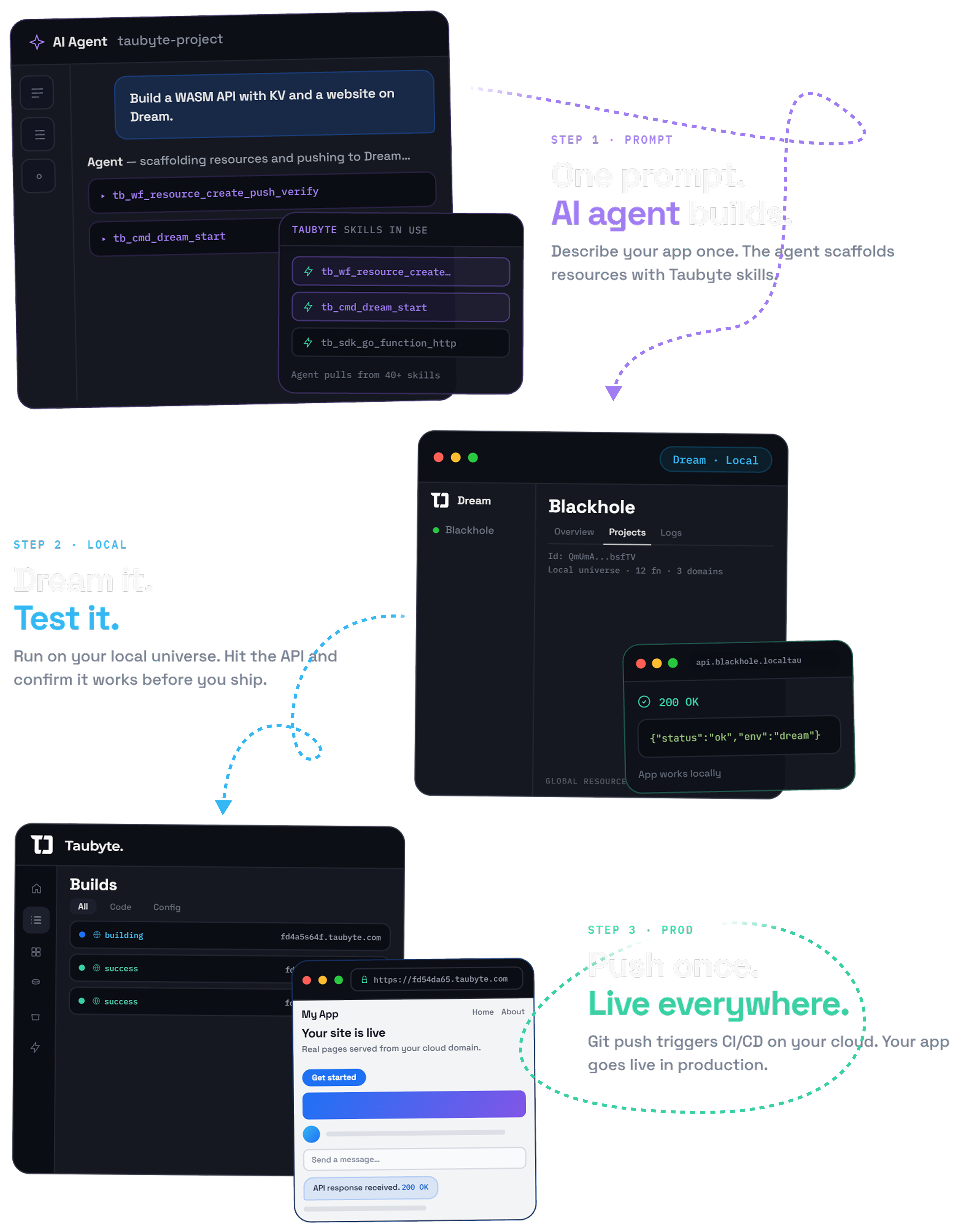
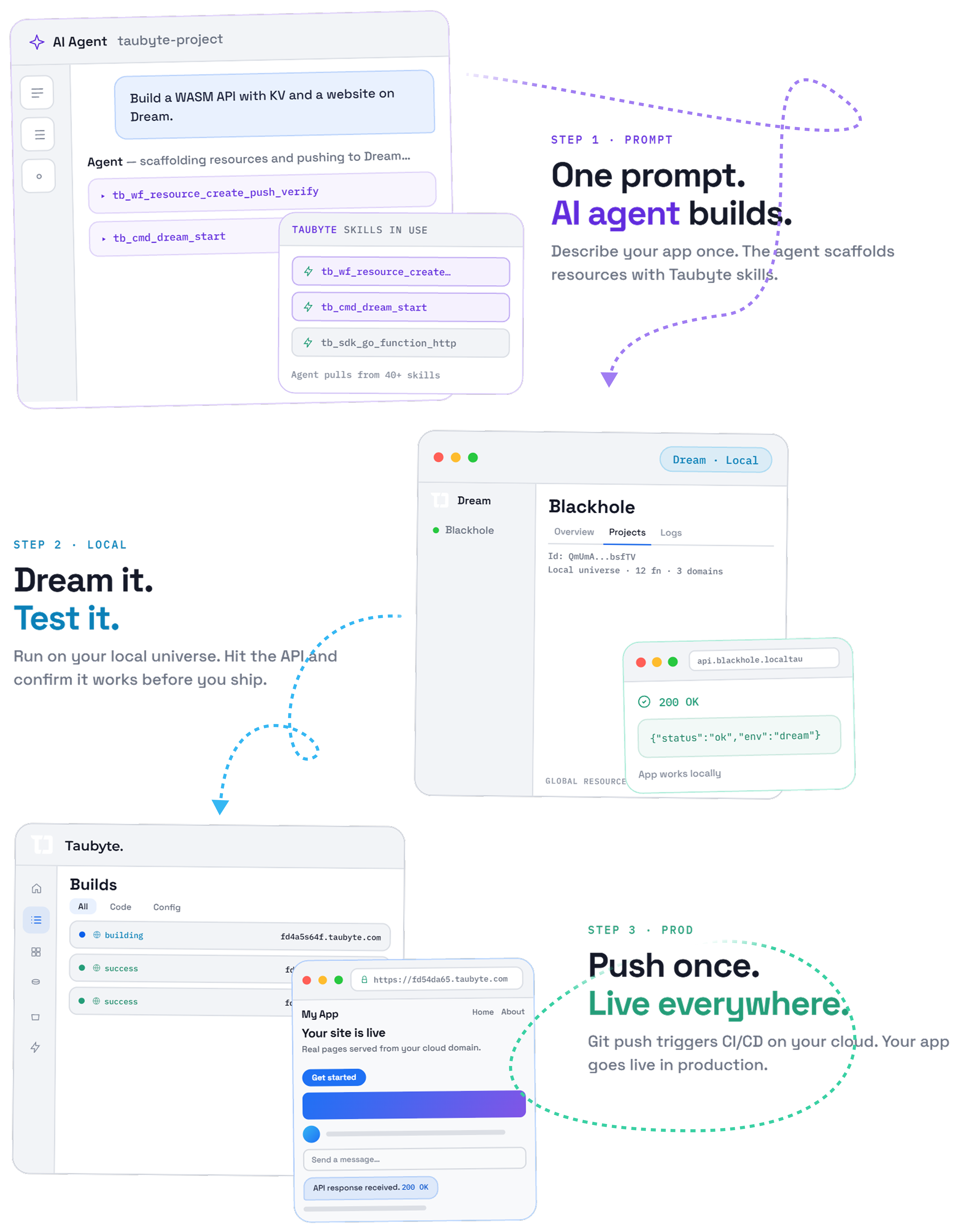
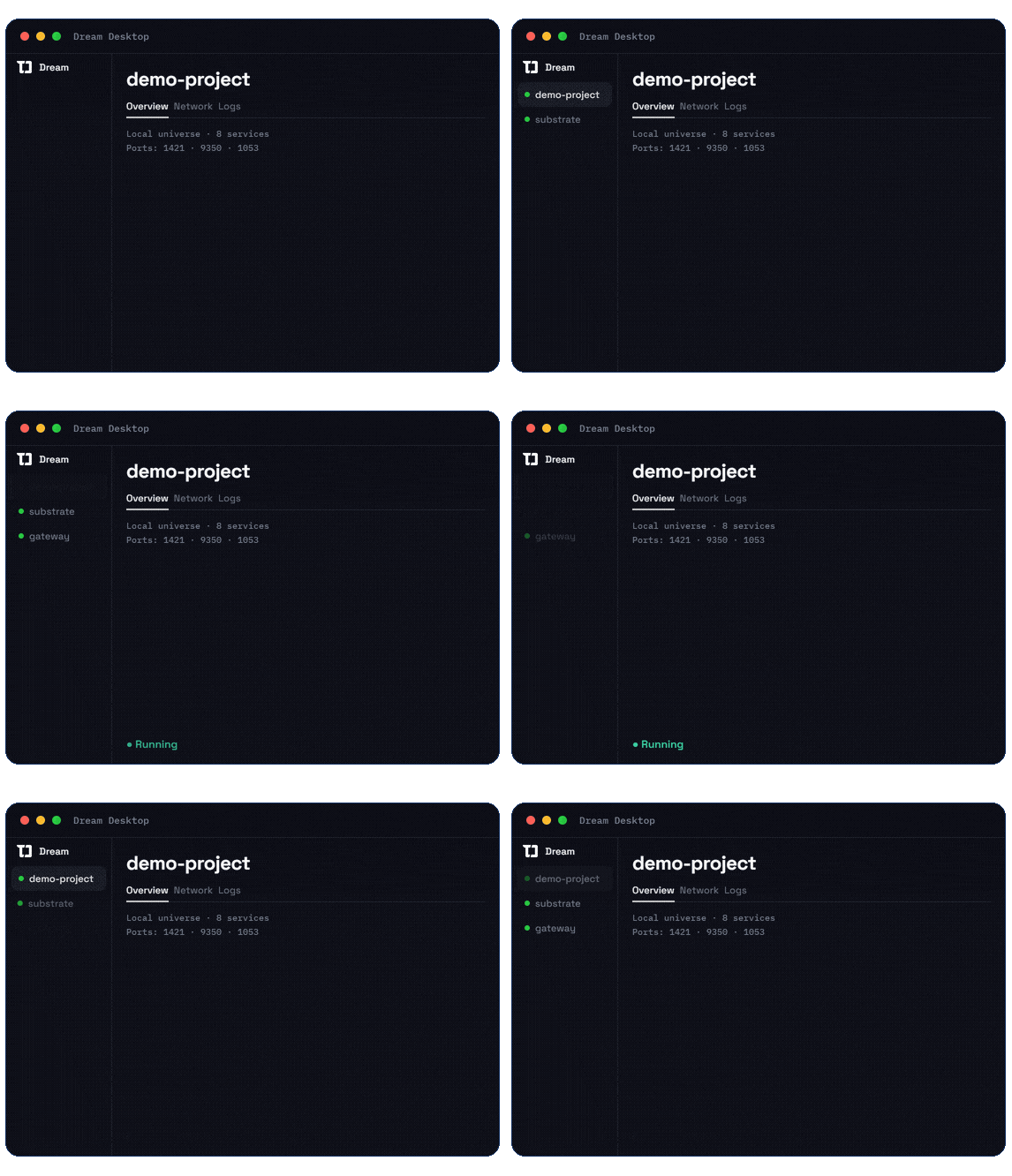
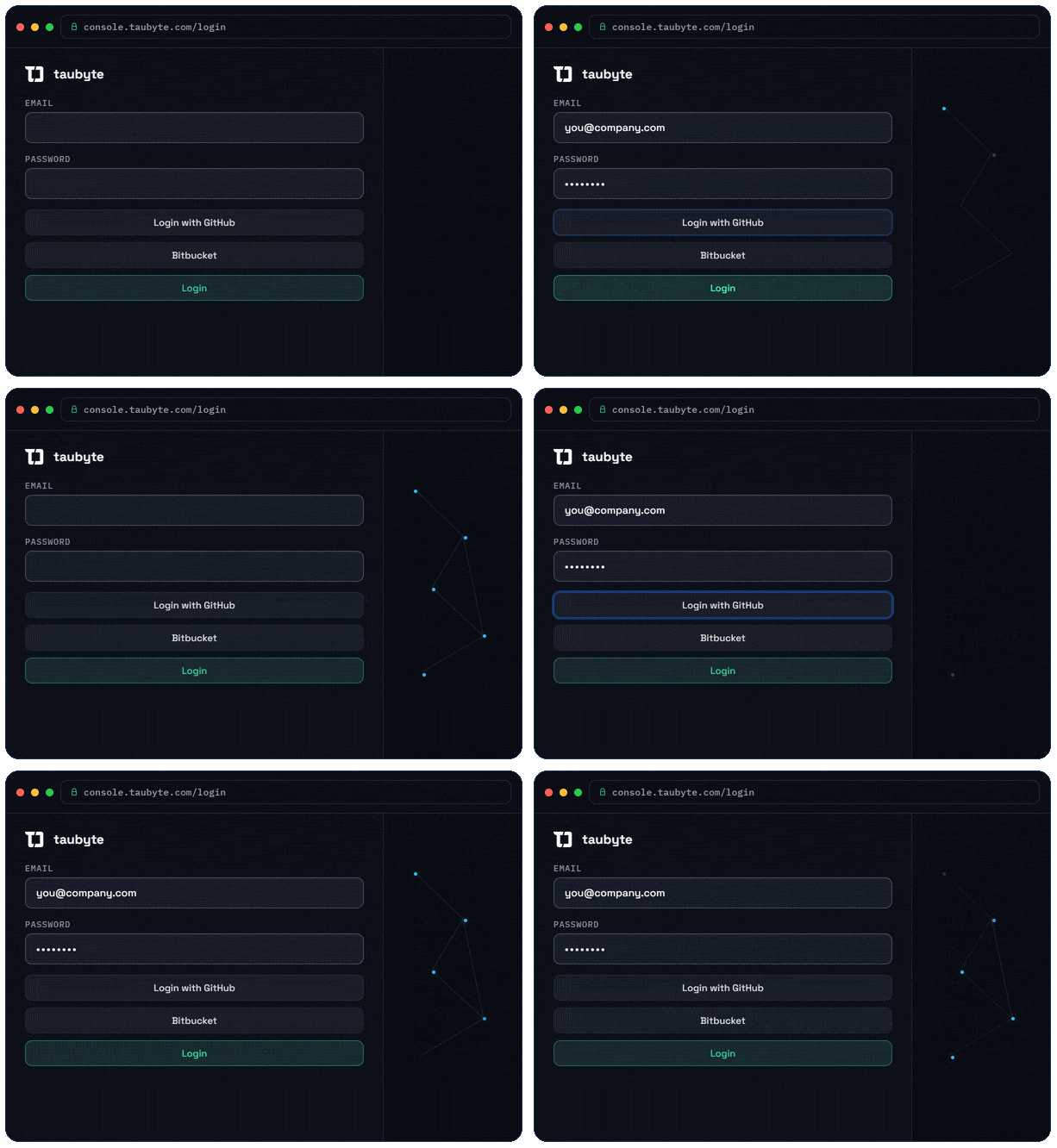
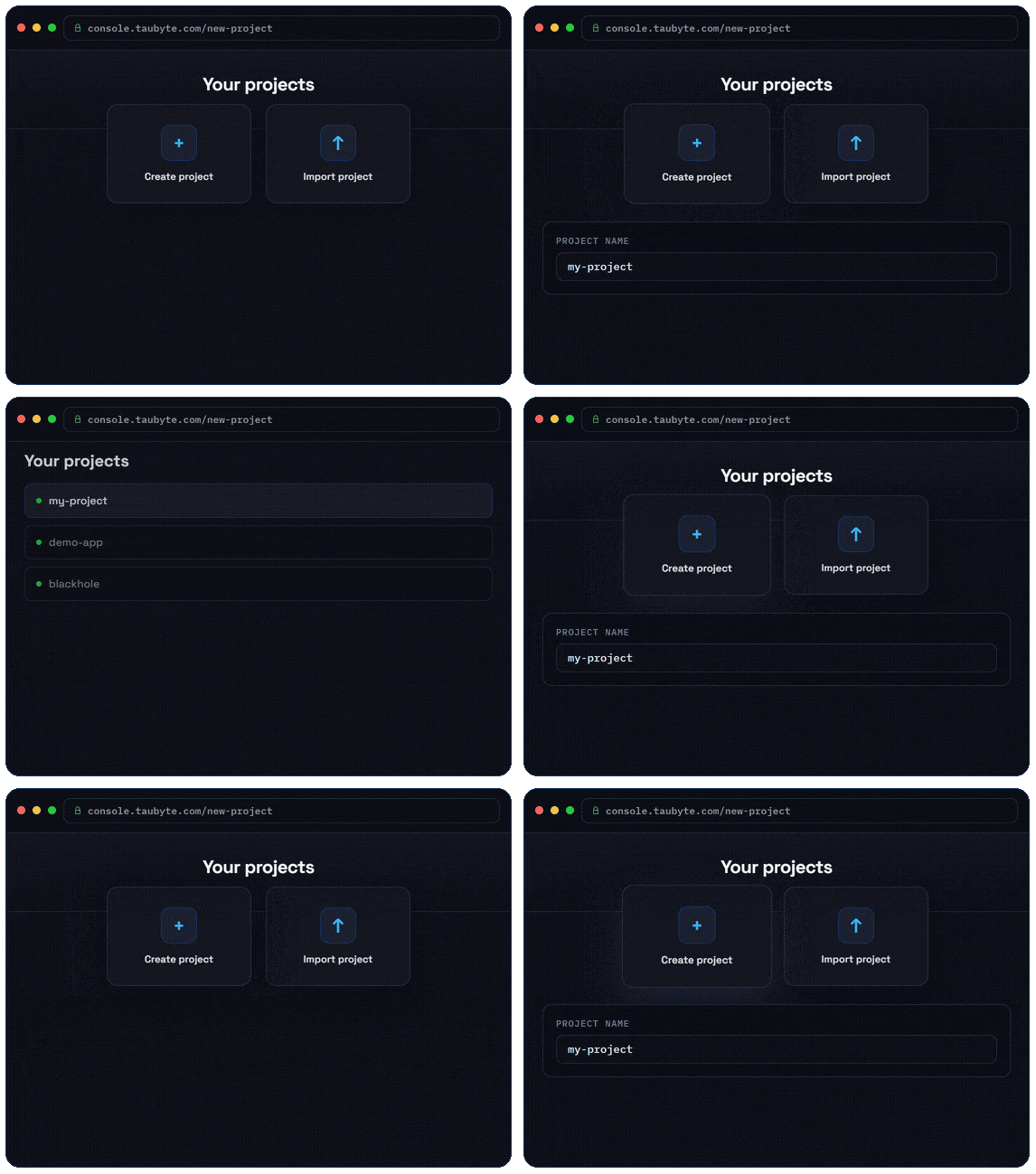
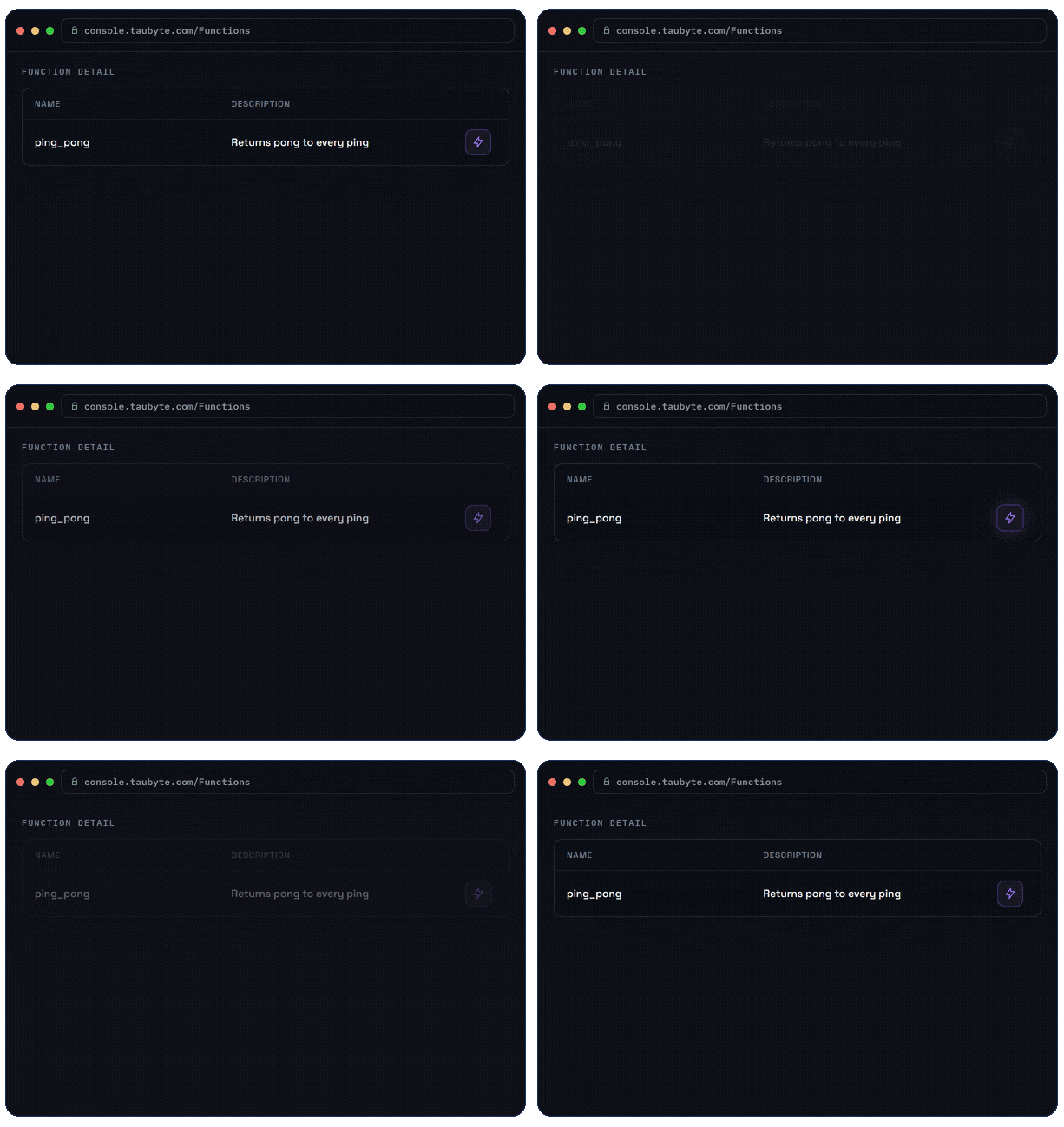
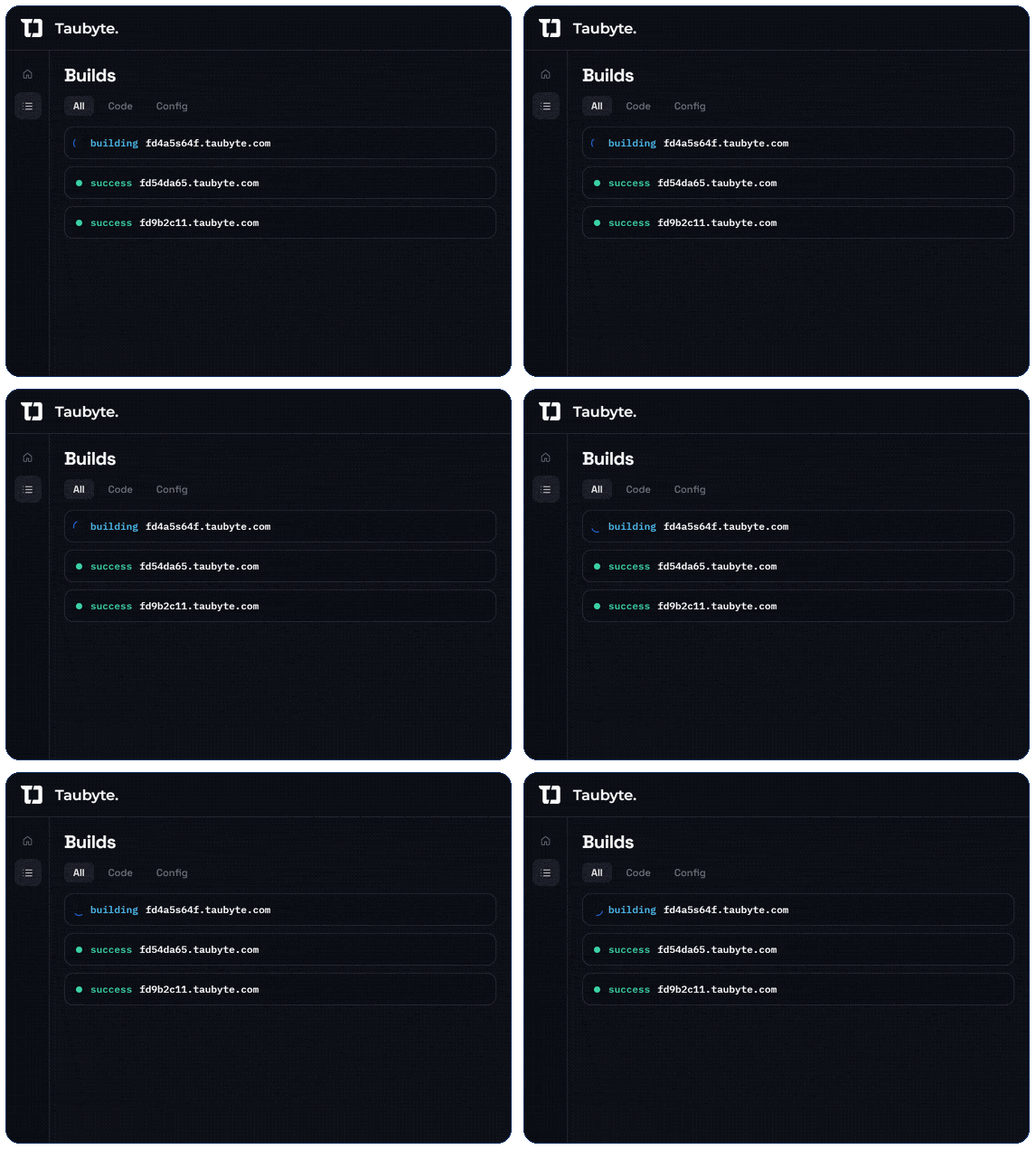
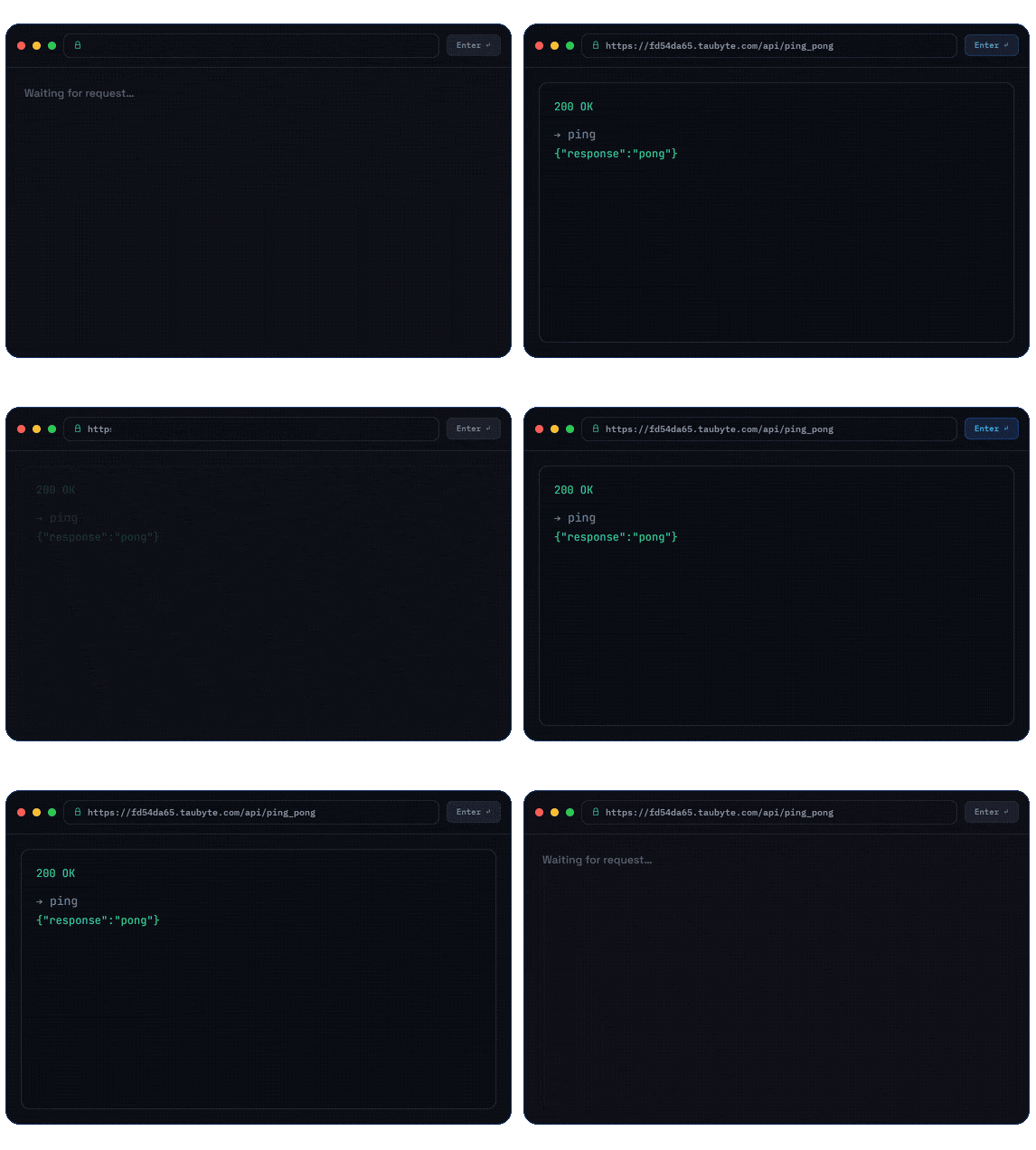
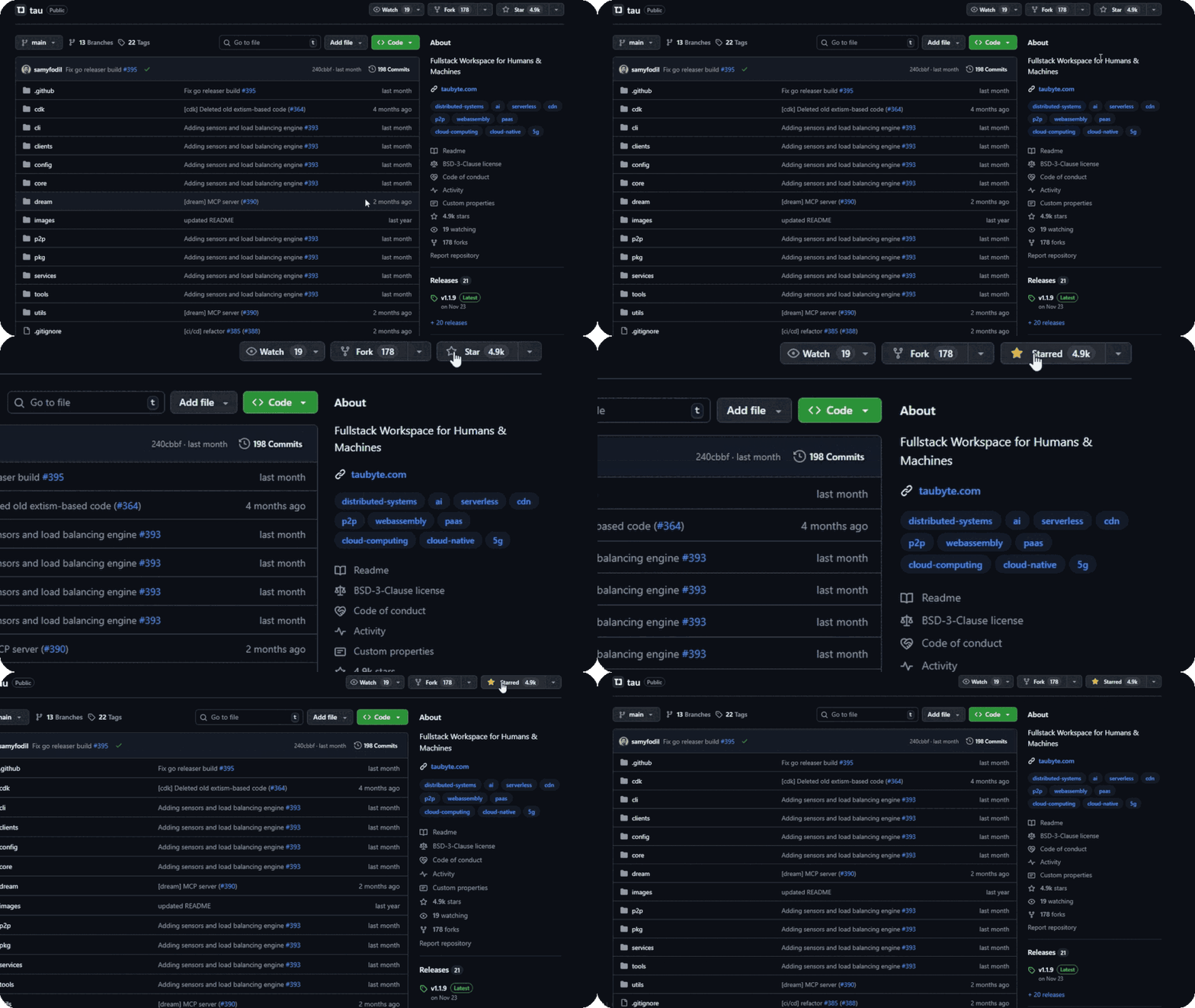
Tau is a fullstack workspace for humans and machines, listed under Developer Tools / Build & Deployment. It is written in Go, licensed under BSD-3-Clause, and its topics place it in the cloud-native developer-tools ecosystem, including serverless, PaaS, distributed-systems, WebAssembly, CDN, AI, 5G, P2P, and cloud-computing. The README describes a development environment, an application build step, and a deploy-and-run step.
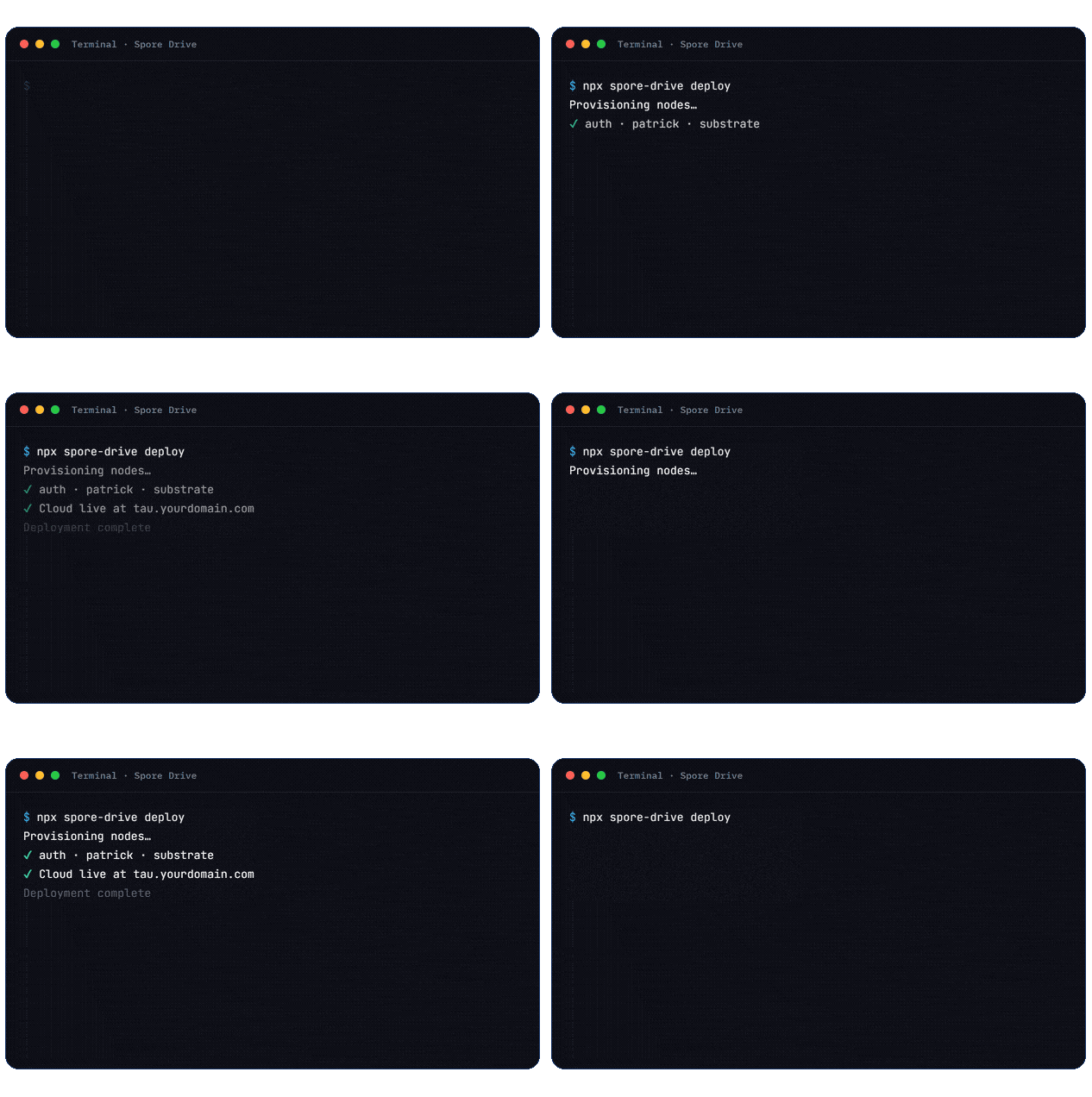
The concrete problem it addresses is giving people an open-source workspace for building and running applications while allowing self-hosted deployment. It provides a way to try Taubyte locally with dream and then deploy the platform to a user's own servers or virtual machines. The README points to manual deployment and automated deployment with Spore Drive, giving users a path from local experimentation to running the software on infrastructure they control.
Key capabilities
- Tau provides a fullstack workspace with a development environment, an application build step, and a deploy-and-run step.
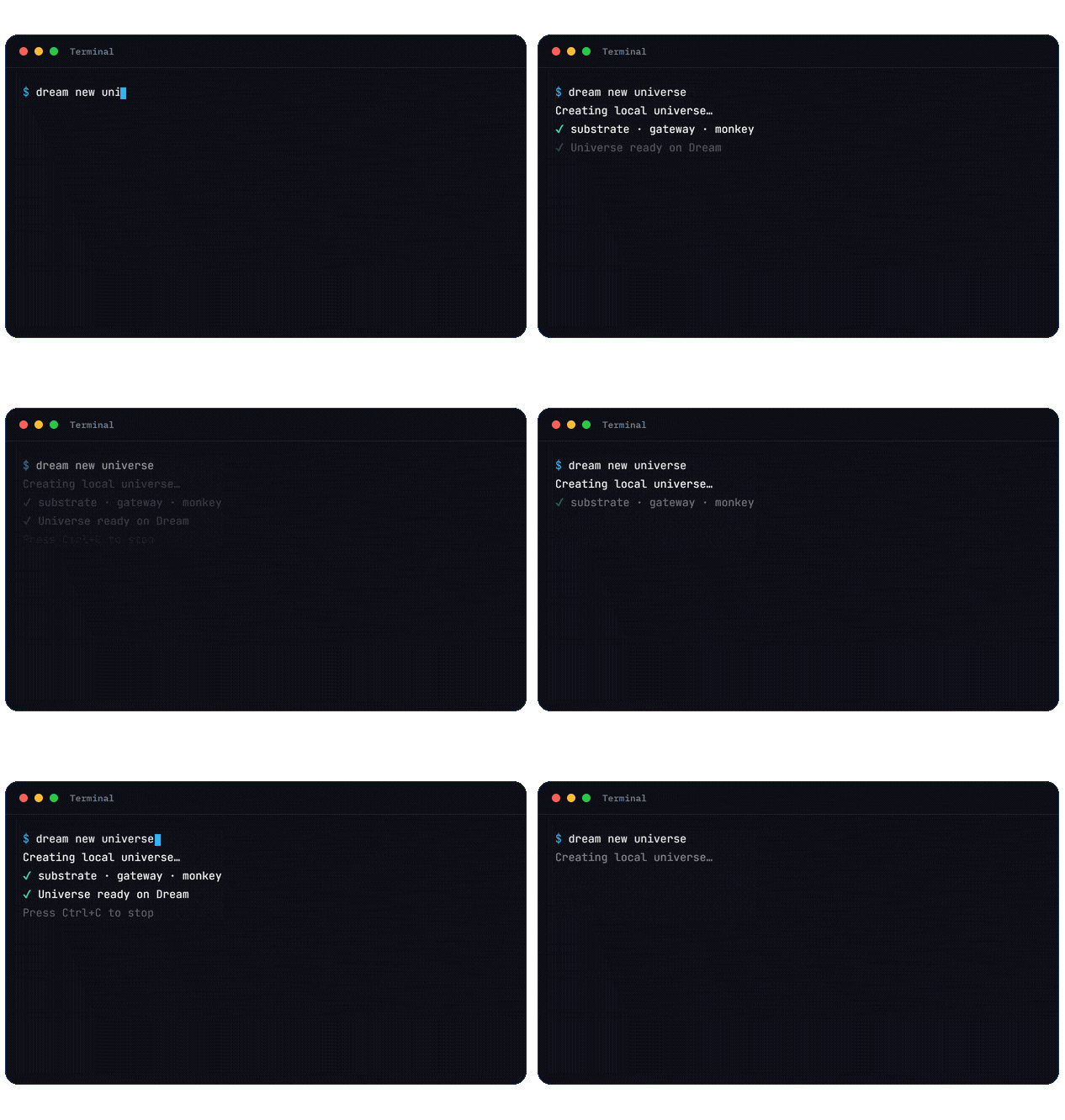
- It supports local experimentation by spinning up a local environment with dream.
- It can be deployed to a user's own servers or virtual machines.
- It offers manual deployment and automated deployment with Spore Drive.
- Its topics include serverless, PaaS, cloud-native, distributed-systems, WebAssembly, CDN, AI, 5G, P2P, and cloud-computing.
- It is written in Go and released under the BSD-3-Clause license.
Who uses it and how
- Developers can run Tau locally with dream before deploying an application.
- Self-hosters can deploy Taubyte to their own servers or VMs using manual deployment instructions.
- Operators can use Spore Drive for automated deployment to their own infrastructure.
- Contributors can fork the repository, branch from main, make changes, test, and submit a pull request.
- Users can follow the Hitchhiker's Guide to Taubyte for guided walkthroughs and demos.
Getting started
The README recommends trying Tau locally with dream. For deployment, it points to manual deployment or automated deployment with Spore Drive on a user's own servers or VMs.
When to use it — and when not to
Tau is useful when users need an open-source Go workspace for local development and self-hosted deployment to servers or VMs. It may be less suitable when users need a documented managed service or a detailed list of backing services, because the README does not mention a hosted option, package-manager installation, Docker image names, or required databases, storage, or SMTP systems. The repository facts show 9 open issues, 5135 stars, and 210 forks, but they do not establish production readiness, so teams should review the current documentation before adopting it.