What it is
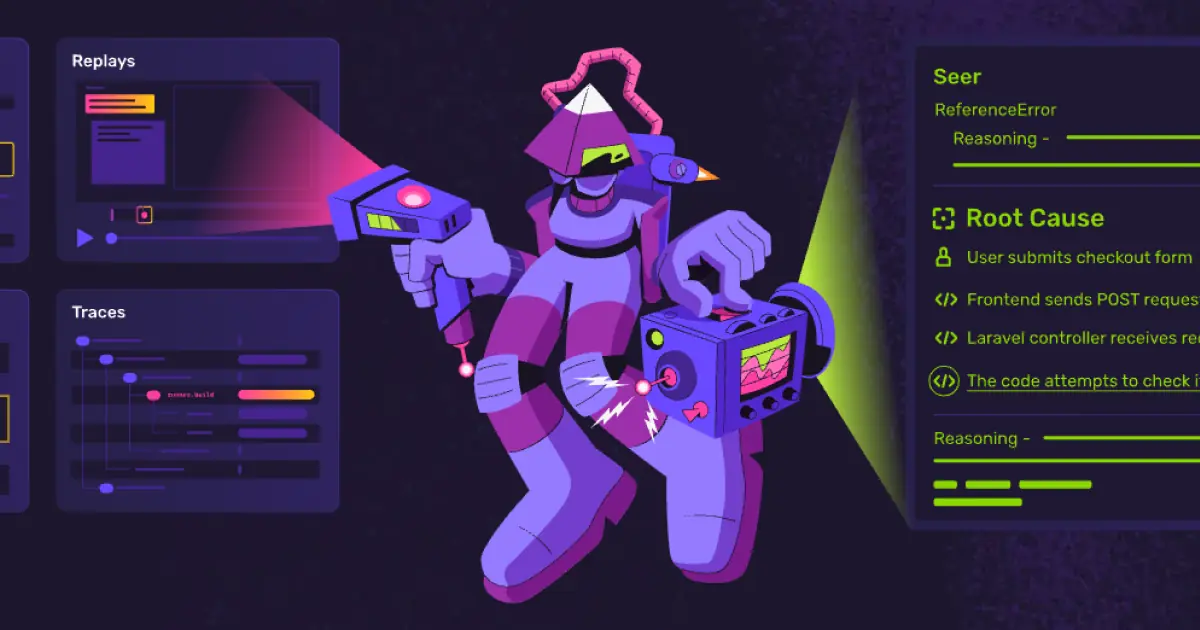
Sentry is an open-source debugging platform for detecting, tracing, and fixing software issues in real time. It lives in the developer infrastructure ecosystem and provides error tracking and performance monitoring across languages, frameworks, and runtime environments.
Sentry solves the problem of fragmented debugging workflows by unifying crash reporting, exception logging, and application performance monitoring into a single platform. Developers receive actionable context—such as stack traces, user data, environment details, and release info—without switching between tools or waiting for log aggregation cycles.
Key capabilities
- Real-time error ingestion and deduplication for exceptions and crashes across client and server workloads
- Distributed tracing with span-level performance metrics and latency breakdowns
- Release health tracking, including error rate and session health per version
- Customizable alerting rules based on error frequency, performance degradation, or session impact
- Integration with CI/CD pipelines for automatic release correlation and blame assignment
- Support for Content Security Policy (CSP) report ingestion for frontend security monitoring
- Native SDKs for 20+ languages and frameworks, including JavaScript, Python, Go, Java, Rust, and Unity
Who uses it and how
- Web application teams use JavaScript and Python SDKs to capture unhandled exceptions and report backend errors from Django or Flask apps
- Mobile developers integrate React Native, iOS, or Android SDKs to collect crash reports and device context from production builds
- DevOps teams deploy the self-hosted Sentry backend to maintain data sovereignty and integrate with internal identity providers
- SaaS companies leverage performance monitoring to detect regressions in API latency or frontend load times before users notice
- Open-source projects use the fair-source model to contribute improvements while avoiding vendor lock-in
Getting started
Install the Sentry server via Docker using getsentry/sentry image, or use the hosted option at https://sentry.io. SDKs are distributed via language-native package managers (e.g., pip, npm, gem, composer).
When to use it — and when not to
Sentry replaces paid error-tracking and APM services with comparable data fidelity, but self-hosting requires managing PostgreSQL, Redis, and optionally SMTP or object storage for attachments. It is unsuitable for teams needing fully managed infrastructure without operational overhead or those requiring built-in log aggregation unrelated to errors. The open-core model means advanced features like custom event retention or SAML SSO are only available in the hosted tier.