
The Open-Source Workplace AI Platform
Website · Docs · Discord · Roadmap















Translations: Français · Deutsch · 简体中文 · 日本語 · Русский · עברית · 한국어 · Español · Português · Türkçe · Tiếng Việt · Italiano
PipesHub - Explainable & Extensible
PipesHub is an open-source platform for connecting AI applications to the knowledge stored across your company's business systems.
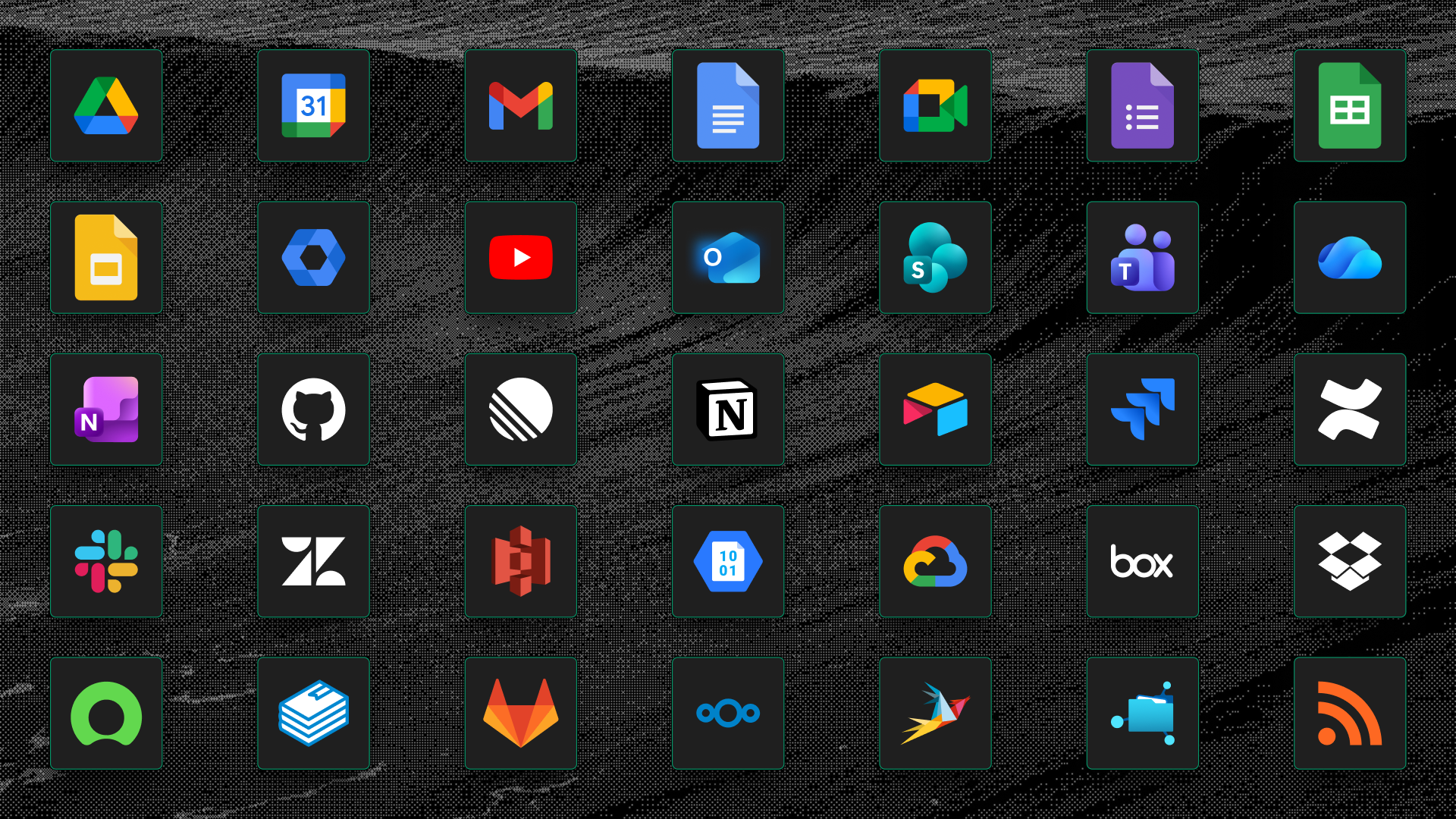
Connect Slack, Google Drive, GitHub, Microsoft 365, Notion and 50+ other systems. Search across them and get answers with citations, filtered by what each person is allowed to see — or give that same context to your own agents, workflows and MCP clients.
[!TIP] Deploy with a single command:
curl -fsSL https://get.pipeshub.com/install | bash
PipesHub in Action
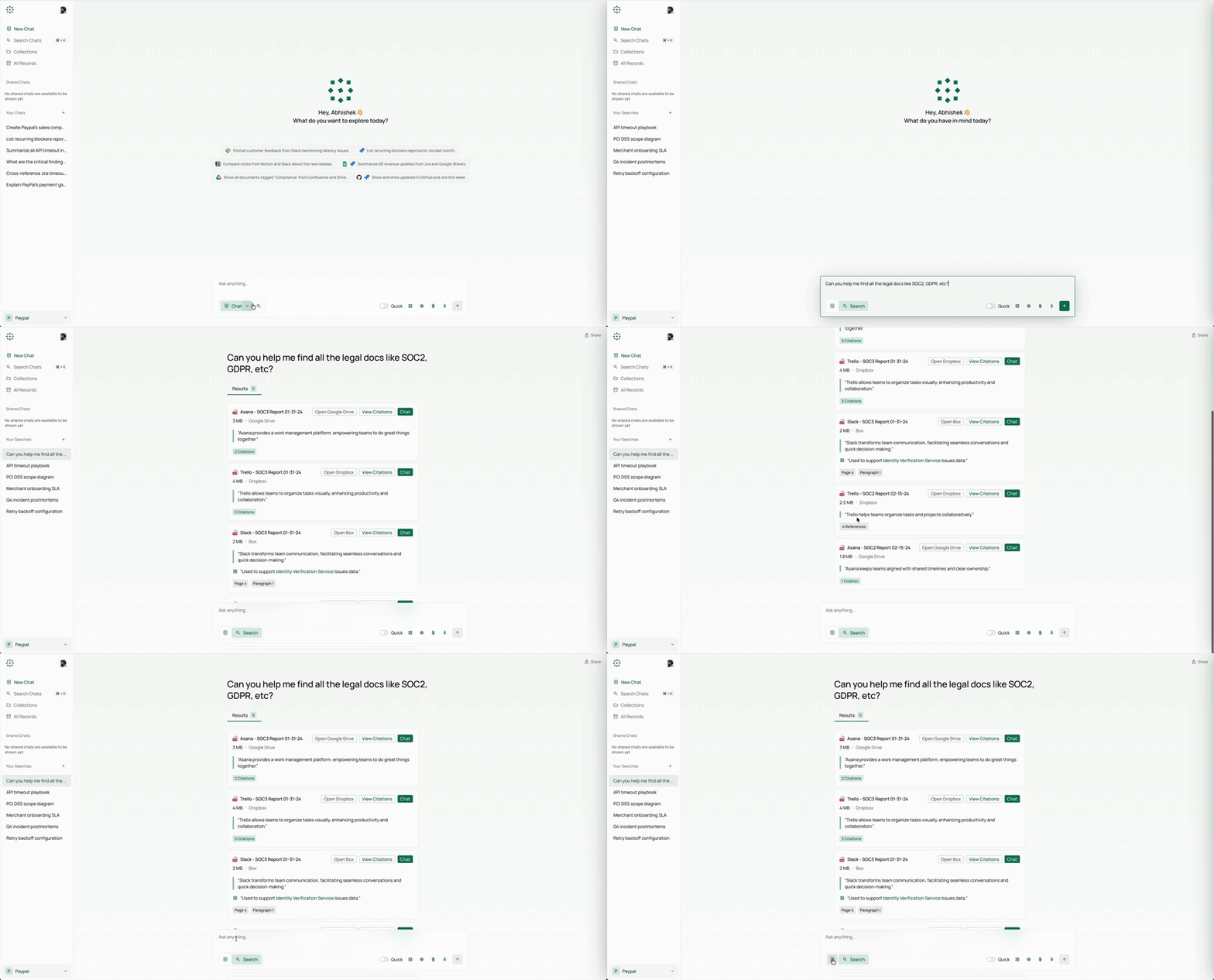
Connectors
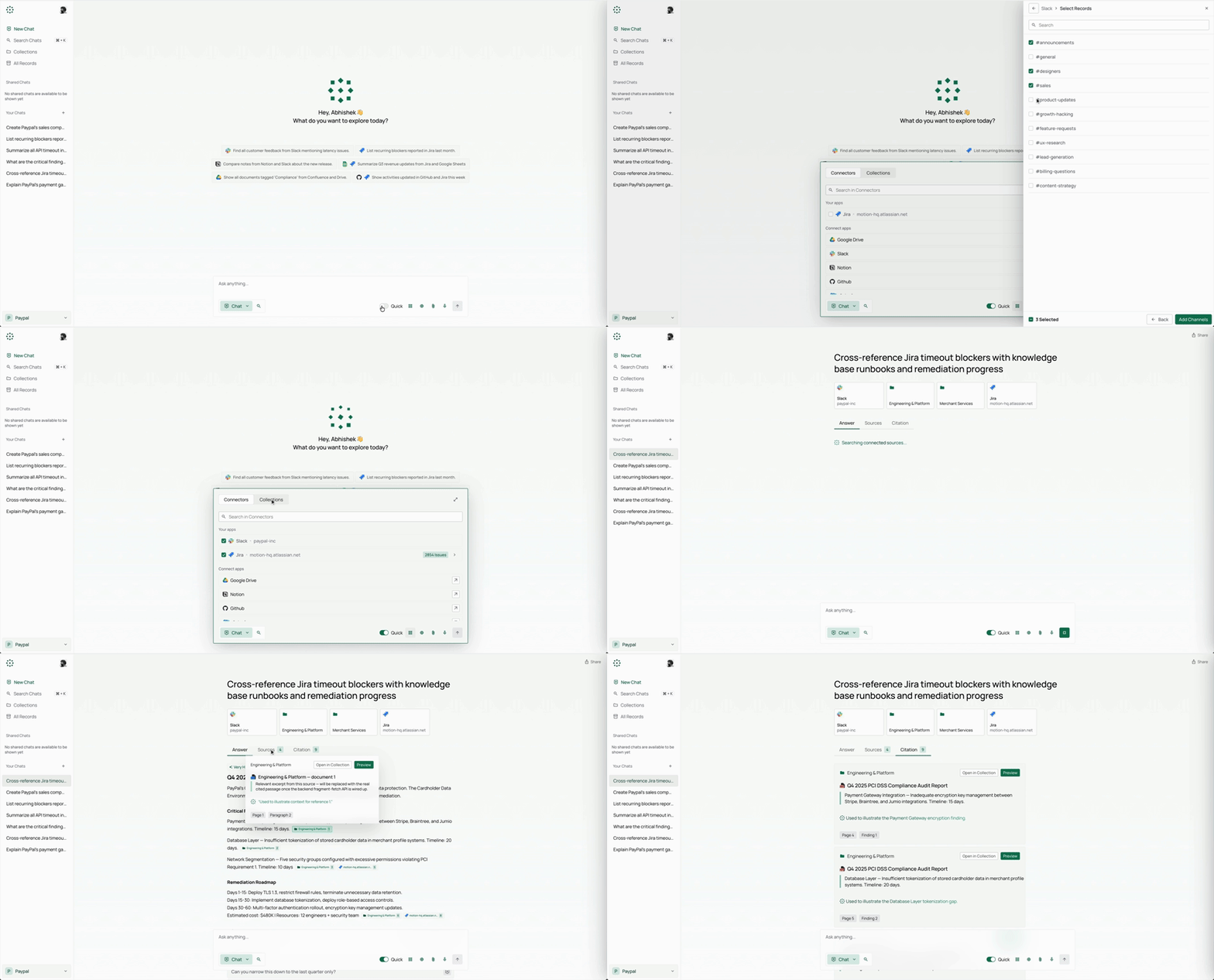
Citations
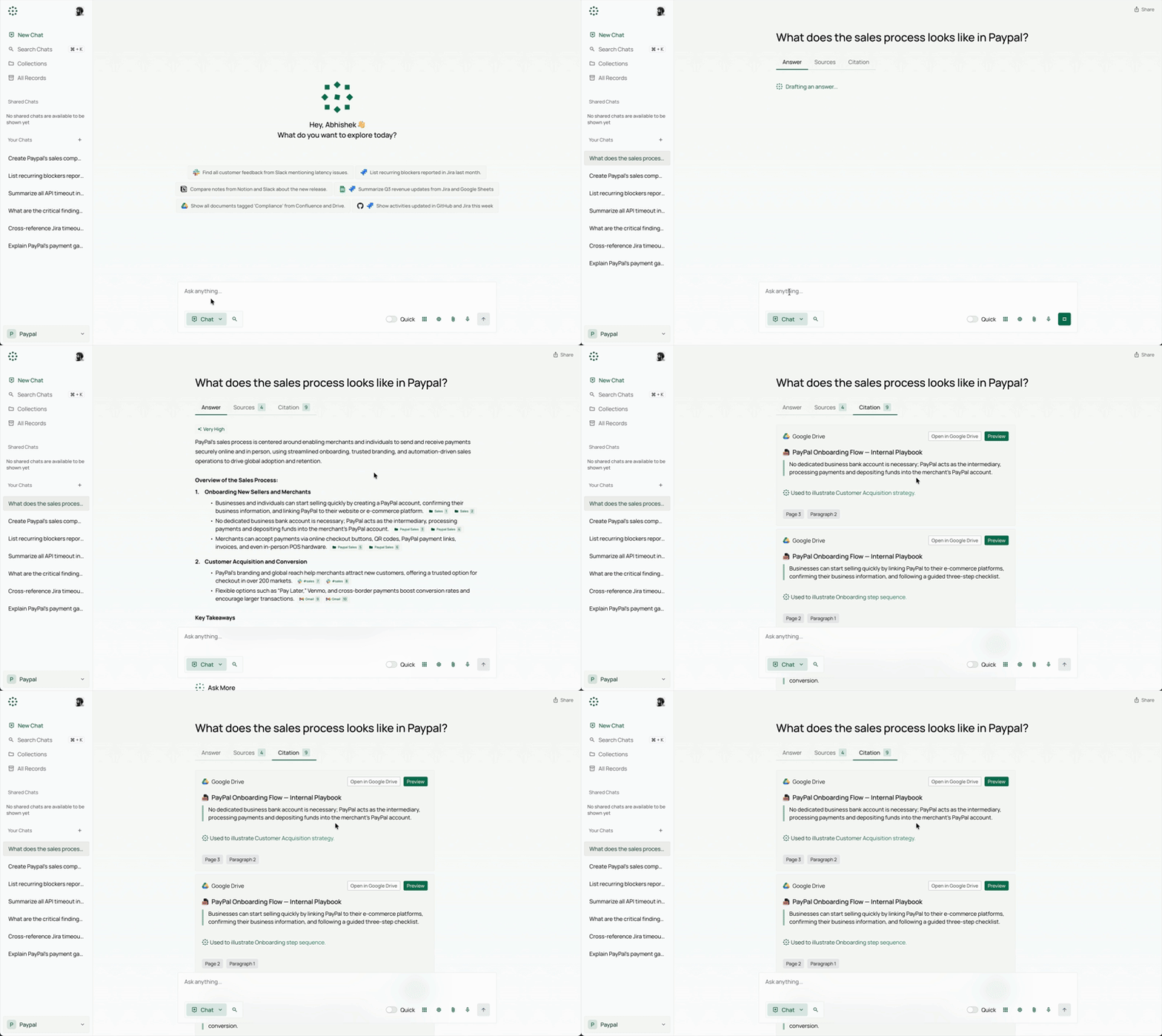
All Records
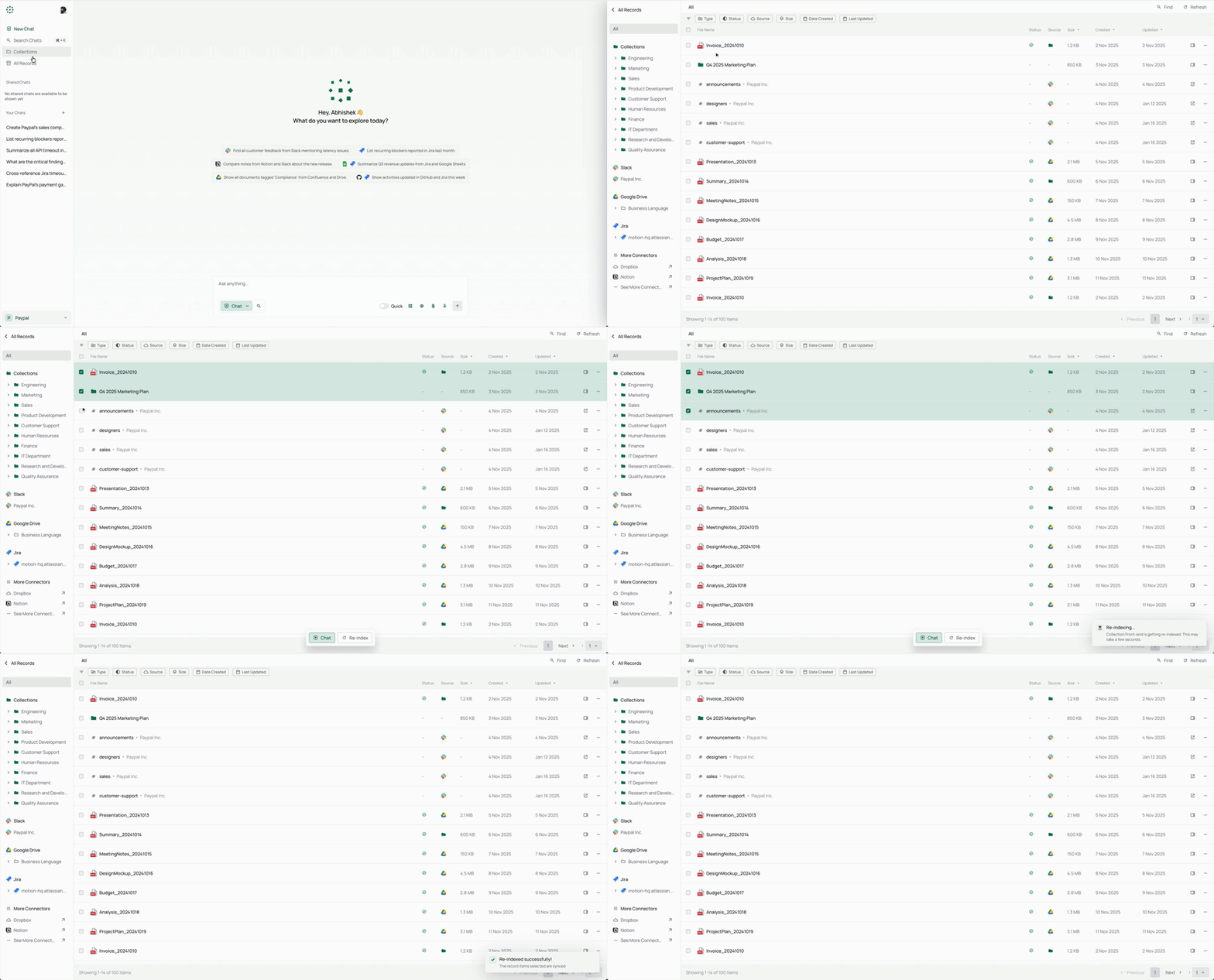
Knowledge Search
Features
Answers you can trust
- 📝 Explainable Answers: PipesHub delivers grounded answers with precise block citations to the original documents.
- 🔒 Permission-Aware Search: Enforces source-level access controls so users only see what they're authorized to.
- 🧠 Bring Your Own Model, Fully Self-Hostable: Any LLM provider, deployed in your VPC — data never leaves your infrastructure.
Connected to your systems
- 🔌 Enterprise Connectors: 50+ connectors with real-time and scheduled indexing out of the box.
- 🕸️ Knowledge Graph Retrieval: Graph-backed retrieval that captures relationships across enterprise data.
- 🎙️ Multimodal Support: Image, diagram, and scanned-file understanding plus voice-based interaction.
What you can build
- 🔍 Unified Search, Deep Research, and Agents: Search, Q&A, deep research, web search, and AI agents on one context layer.
- 🤖 No-Code Agents and Actions: Build agents visually and execute actions across enterprise tools.
- 📊 Artifacts and Code Execution: Generate reports, charts, and dashboards in a safe execution sandbox.
- 🛠️ Developer-First and Extensible: APIs, SDKs, MCP tools, custom connectors, and independently scalable services.
PipesHub Cloud
Prefer a fully managed PipesHub without running your own infrastructure? PipesHub Cloud is coming soon.
👉 Join the Cloud Waitlist to get early access.
Connectors
File Formats Supported
| Format | Details |
|---|---|
| Including scanned PDFs | |
| Docx / Doc | Microsoft Word |
| XLSX / XLS | Microsoft Excel |
| PPTX / PPT | Microsoft PowerPoint |
| CSV | Comma-separated values |
| Markdown | .md files |
| HTML | Web pages |
| Text | Plain text files |
| Google Docs, Sheets, Slides | Google Workspace formats |
| Images | PNG, JPG, etc. |
| Audio | Audio files (Coming Soon) |
| Video | Video files (Coming Soon) |
Tech Stack
Frontend
| Technology | Description |
|---|---|
| Next.js | App Router UI (client-rendered React) |
| TypeScript | Strongly typed JavaScript superset |
| Radix UI Themes | Accessible component primitives and styling |
| Zod | Schema validation and parsing |
| React Hook Form | Flexible form state management |
Backend
| Category | Technologies |
|---|---|
| GraphDB | Neo4j / ArangoDB |
| VectorDB | Qdrant / OpenSearch / Redis |
| Document Store | MongoDB |
| Blob Storage | Local filesystem / S3 / Azure Blob |
| Message Broker | Kafka / Redis Streams |
| Cache | Redis |
| KV Store | Redis / etcd |
| Task Queue | Celery |
| Web Framework | FastAPI |
| LLM Interface | LangChain (multi-provider model access) |
| Embeddings | sentence-transformers / fastembed |
| Document Parsing | pdfplumber, selectolax, markdown-it, openpyxl, csv (default) — or Docling, opt-in via PARSER_BACKEND |
| Document Conversion | LibreOffice, CairoSVG |
| Data Analysis | pandas |
🚀 Deployment Guide
PipesHub can be run locally or deployed on any server using Docker Compose. The interactive installer handles all configuration — including secrets, graph DB, broker, and image tag selection — and generates a .env for you.
HTTPS on cloud servers: If you deploy PipesHub on a cloud server, use an HTTPS endpoint. Browsers block certain requests over plain HTTP. Use Cloudflare, Nginx, or Traefik to terminate TLS. A white screen after HTTP-only deployment is typically caused by this restriction.
⚡ Quickstart (Recommended)
Requires Docker with Compose v2. One command:
curl -fsSL https://get.pipeshub.com/install | bash
This downloads the deployment files for the latest release into ./pipeshub and
launches the interactive installer. Open http://localhost:3000 once it
finishes.
**Prefer to r