


⚠ !Attention! ⚠
Meross did change the HTTP SubDevice info API without notice. This has caused the library (versions Look at the test environment that ensures high quality code of the library!
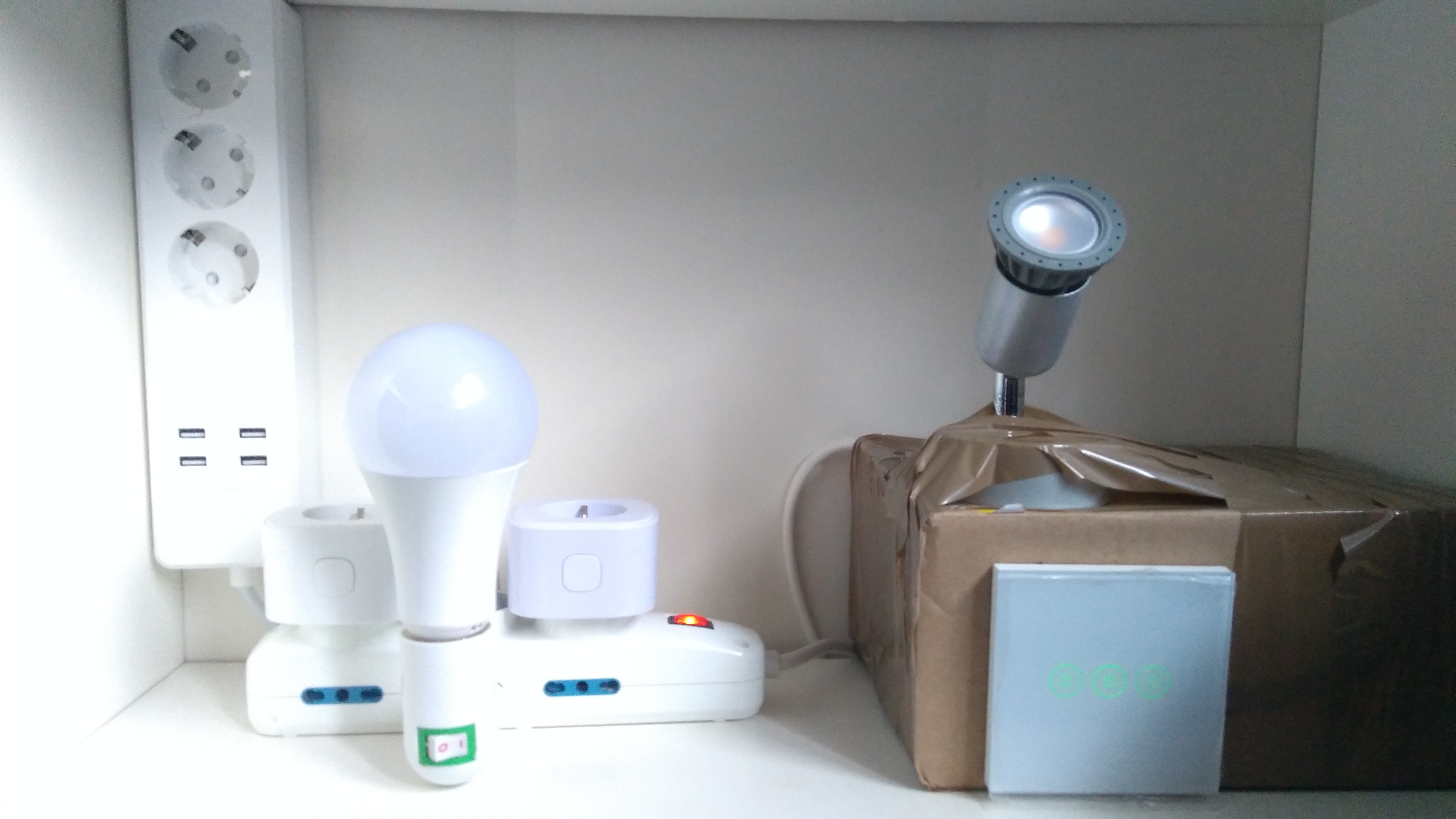
When a pull-request is performed against this repository, a CI pipeline takes care of building the code, testing it on Python 3.8+, relying on some junit tests and, if all the tests pass as expected, the library is released on Pypi. However, to ensure that the code really works, the pipeline will issue on/off commands against real devices, that are dedicated 24/7 to the tests. Such devices have been bought by myself (with contributions received by donors). However, keeping such devices connected 24/7 has a cost, which I sustain happily due to the success of the library. Anyway, feel free to contribute via donations!
Changelog
0.4.10.4
- Address #428 in response to unnotified HTTP API changes from meross cloud.
Older
#### 0.4.10.3 - Add support for water leak sensors such as MS400 and MS405 - Add water-leak sensor examples0.4.10.2
- Allows to pass a specific ssl context to the manager to perform MQTT ssl connections using that SSL context. This is a breaking change: signature of MerossManager() has changed.
0.4.9.2
- Partially Address #569, fix error when dealing with unknown sub-devices. Water leak sensor not supported yet.
0.4.9.1
- Fix credentials object's "mqtt_domain" attribute being created as tuple rather than string. This error cased varius issues also with Meross Homeassistant component.
0.4.9.0
- Upgrades paho-mqtt dependency to v2 but keeps backward compatibility - Thanks @mmatuska
0.4.8.0
- Drops python 3.7 support
- Address #410
0.4.7.5
- Adds support for MTS960, addressing #337
0.4.7.3
- Fixes missing
mfaLockExpirekey in login response data due to unexpected API changes from Meross
0.4.7.1
- Updated requirements to use pycryptodomex instead of Crypto
0.4.7.0
- Added local-lan encryption capabilities to support newest Meross devices
- Fixed roller shutter mixin not updating initial position after a full async_update() invocation
- Fixed #352
0.4.6.2
- Fix dependency specification for paho-mqtt and other libraries
0.4.6.0
- NOTE: this API version breaks backward compatibility with LOGIN method. When upgrading to this version, make sure to pass the new api_base_url value correctly as described in the documentation.
- Switched the login API to the new signIn path as old /Auth/login is being deprecated
- Improved CloudCreds to carry also API and MQTT endpoints
- Handled auto-retry in case of wrong endpoint being used for login
- Added mac-address attribute to BaseDevice class
- Fix recursive import error for CLI utility and updated help command for API-BASE-URL parameter
- Handling MFA code errors
- Fix sniffer script and added MFA disable disclaimer
0.4.5.9
- Improve meross_sniffer utility: add support to collect messages spoofing the hardware device on meross cloud.
- Allow string namespace value for execute_command within manager.
0.4.5.7
- Fix regression introduced with the latest refactor: missing properties on SubDevices.
0.4.5.4
- Fix #274, due to Meross API change
0.4.5.4-rc1
- Fix tests
- Implement auto-discovery control parameter for the
MerossManager
0.4.5.3
- Implement device registry dumper (#255)
0.4.5.2
- Adds support for Runtime mixin (addresses #270)
- Improves documentation
0.4.5.1
- Adds support for MOD150 oil diffuser
- Enables position set for MSR100 devices (might not work with non-HomeKit versions, though)
0.4.5.0
- Introduced support for local-lan-http command handling
- RollerShutter refactor and code improvements
- Added RollerShutter automatic tests
- Added support for do-not-disturb mode
- Implemented ThermostatMixin and added support for MTS200
0.4.4.7
- Added manager options to override default mqtt server host/port connection info.
0.4.4.5
- Added Content-Type header to API calls
0.4.4.4
- Added support for MSG200
0.4.4.3
- Improved mqtt client and async: switched back to mixed async/threading approach.
- Added triggerSrc and uuid attributes to header
- Fixed a bug affecting message dispatching to sub-devices
0.4.4.2
- Removed rate limiting logic/switches
- Fixed light_rgb test failing when issuing commands to smart-humidifier led
- Handling HUB_ONLINE event at subdevice level
0.4.3.1
- Fixed MQTT reconnection issue
0.4.3.0
- Refactored asyncio calls affected by loop parameter deprecation
- Various
subdeviceevent handling improvements and bugfixes
0.4.2.4
- Added manager reference to Manager push notification handlers
- Improved push notification tests
0.4.2.3
- Added new HTTP request headers (introduced with latest APP versions)
- Added custom user agent customization option to MerossHttpClient
- Implemented pending task cancellation when shutting down the manager
- Implemented HTTP API stats counting
- Fixed bug affecting push notification parsing when multiple sensors/valves were in use
0.4.2.2
- Fixed asyncio and threading bug in _schedule_later() utility
- Improved timeout argument not being always passed downstream
- Implemented default command execution property on base-device
- Added configurable timeout automatic test
- Implemented device filtering by multiple types
- Fixed client reconnection not working as expected
0.4.2.1
- Fixed "None error" when calling limiter api
- Updated aiohttp dependency to 3.7.4 due to security issues
0.4.2.0
- Refactored MerossManager avoiding usage of multiple threads
- Implemented multiple mqtt connections to different servers
- Added custom API URL endpoint
- Merged #150 (Added MSS620 support)
- Added ErrorCode 1022
- Renamed MerossManager domain and port parameters
- Improved disconnection/reconnection event handling
- OnlineEvent is now being re-issued after client disconnection/reconnection
- Implemented disconnect/reconnect automatic test
0.4.1.0rc8
- Implemented first roller_shutter support (merged #160), thanks to @adrigonzalvez
0.4.1.0rc7
- Implemented exponential backoff for api-rate limiter
- Fixed memory leakage that occurred for long-lived sessions of the MerossManager
- Static known device types support added
- Returning newly discovery devices from the discovery method()
- Implemented first version of meross_api_cli
- Improved device state recover after connection drop
- Added API rate skip options
- Tuned API rate limiting defaults
- Fixed meross_sniffer utility not starting when ran from commandline
- Addressed problems with online events not being propagated correctly in some edge cases
- Fixed some known-cached types that were missing SystemOnline and SystemAll mixins
- Removed warning logs from LightMixin when checking supported modes
0.4.0.6
- Added device internal id parameter to async event handlers
0.4.0.5
- Implemented MQTT rate-limiter
- Updated documentation
- Fixed error occurring with paho-mqtt > 1.5.0
0.4.0.3
- Improved sniffing data masking
- Added light.py update instruction
- Added error logs in case of missing async_update() call first call
0.4.0.2
- Re-Implemented Meross Sniffer utility
0.4.0.1
- Fixed #117
- Extended API error codes
- Updated paho-mqtt dependency to v1.5.0
- Fixed errors caused in tests when running on windows system / Python 3.8
0.4.0.0
Complete re-engineerization of the library.
- Asynchronous approach using asyncio
- Runtime ability discovery using runtime pluggable mixin architecture
- Dramatically increased performance using low-level asynchronous aiohttp and almost no locking primitive
- Added full-featured documentation
- Added python type hints
- Moved CI/CD to GitHub pages for letting PR test with on-premise Meross devices
0.3.4.0RC
- Added HTTP API logout capability
- Refactored MerossManager/HTTPClient classes
0.3.3.3
- Added lock-assistant capability to help debug deadlock cases
- Improved tests
0.3.3.0
- Added auto-reconnection capabilities by default
- Improved automated testing skipping
0.3.2.22
- Fixed MerossManager not being thread-safe
0.3.2.21
- Fixed status integer not being parsed as INT
0.3.2.20
- Merged PR that adds supports for humidity sensor
0.3.2.17
- Added Offline event emulation
0.3.2.15
- Fixed deadlock occurring when handling Thermostat
- Implementing callback/timeouts
0.3.2.14
- Added option to force status-update on devices
- get_sys_data now ignores online status in order to allow full status update (including online status)
0.3.2.12
- Hotfix for introduced regression
- Minor fix for power_plugs
0.3.2.9
- Implemented battery stats fetch for HUB devices (valve)
0.3.2.7
- Added support for smart humidifier
0.3.2.6
- Added support for binding/unbinding events
0.3.2.5
- Fixed set_target_temperature not working as intended
0.3.2.4
- Improved thermostat support
- New handling of Hub and subdevices
- General refactor
0.3.1.12
- Implemented meross_sniffer tool for collecting unknown devices logs
0.3.1.11
- Implemented meross_info_gather script
0.3.1.10
- Improved logging
0.3.1.9
- Fixed missing method implementation
- Improved logging
- Minor improvements str methods
0.3.1.8
- Added HUB + thermostat support
0.3.1.6
- Improved light bulb driver (capacity)
0.3.1.5
- Fixed wrong MerossEventType being advertised for DeviceDoorStatusEvent
0.3.1.3
- Added event fire capability to GenericBulb class.
- Fixed bulb state kwargs bug
- Improved set_light_color function for bulbs
0.3.0.2
- Fixed door closing checks when using the async + callback close() and open() methods.
0.3.0.1
- Added get_power_consumption() and get_electricity() methods as abstract methods of AbstractMerossDevice
- Fixed regression passing manager parameter when firing Meross events.
0.3.0.0rc4
- Added added switch_state to the generated event
0.3.0.0rc3
- Added quick fix for MSS560 color control
0.3.0.0rc2
- Fixed Major bugs with MSG100
- Updated README examples
0.3.0.0rc1
- Added MSG100 support
- Fixed errors being logged when power consumptionX command was issued on powerplugs
0.3.0.0b1
- General refactor of the library
- Added event-based support
- Fixed default mqtt broker address for non-european devices
0.2.2.1
- Added basic bulb support: turning on/off and light control
- Implemented MSL120 support
- Implemented MSL120 automatic test
- Extended example script usage to show how to control the light bulbs
- Added maximum retry limit for execute_command and connect()
0.2.1.1
- Code refactoring to support heterogeneous devices (bulbs, plugs, garage openers)
0.2.1.0
- Implemented auto-reconnect on lost connection
- Improving locking system in order to prevent library hangs when no ack is received