mall-swarm is an open-source microservice e-commerce system built on Spring Cloud Alibaba and Spring Boot, intended for Java developers and teams that need a complete mall platform — registry, config center, gateway, monitoring and admin console included — instead of assembling that plumbing from scratch.
What it is
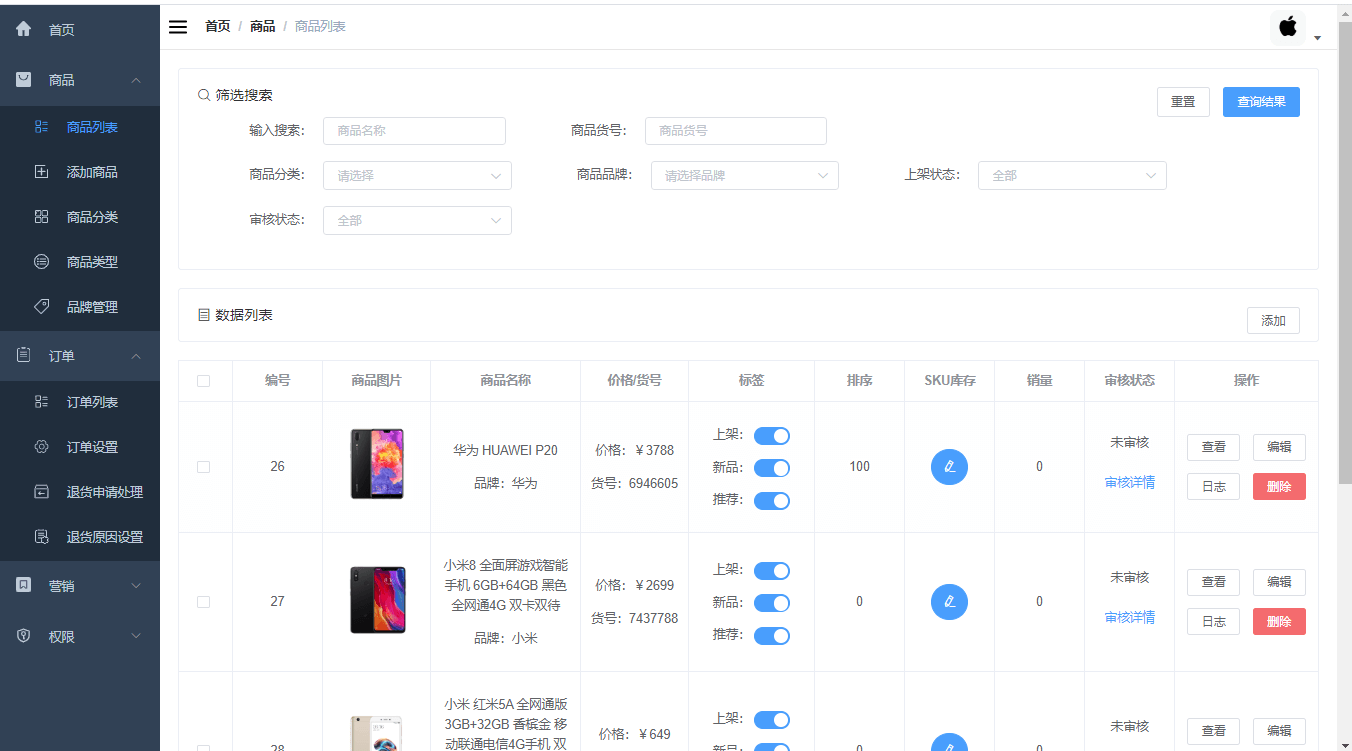
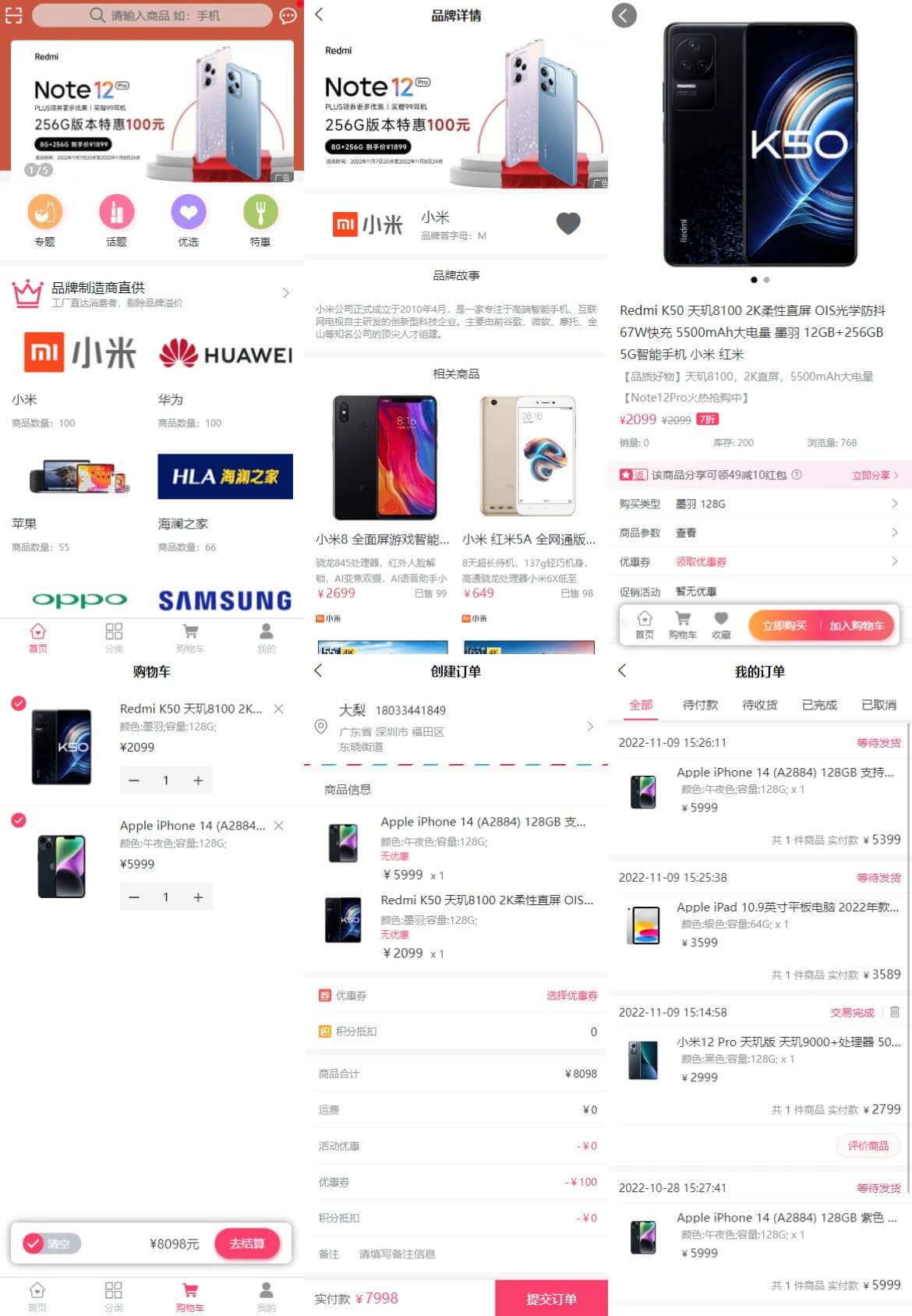
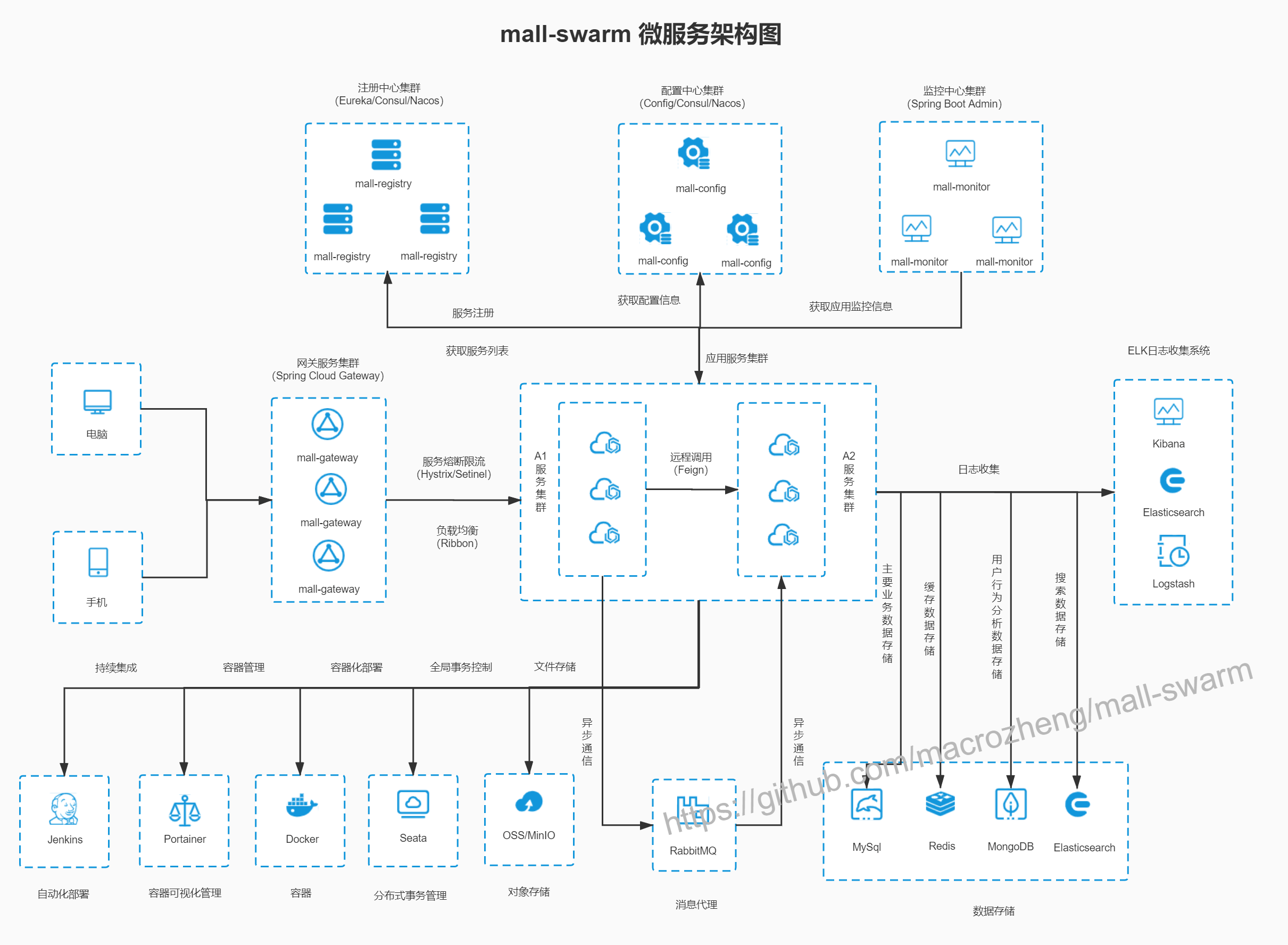
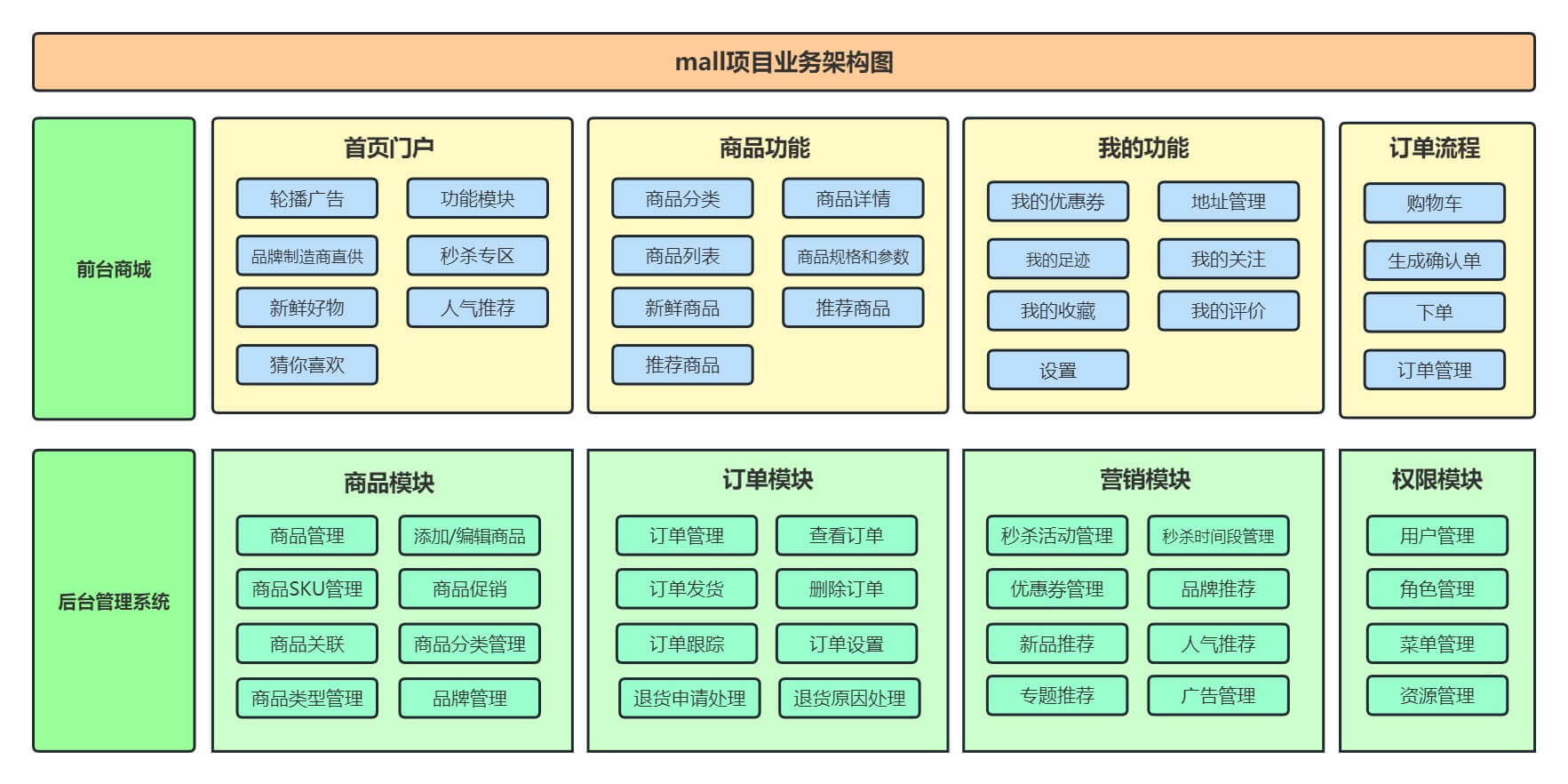
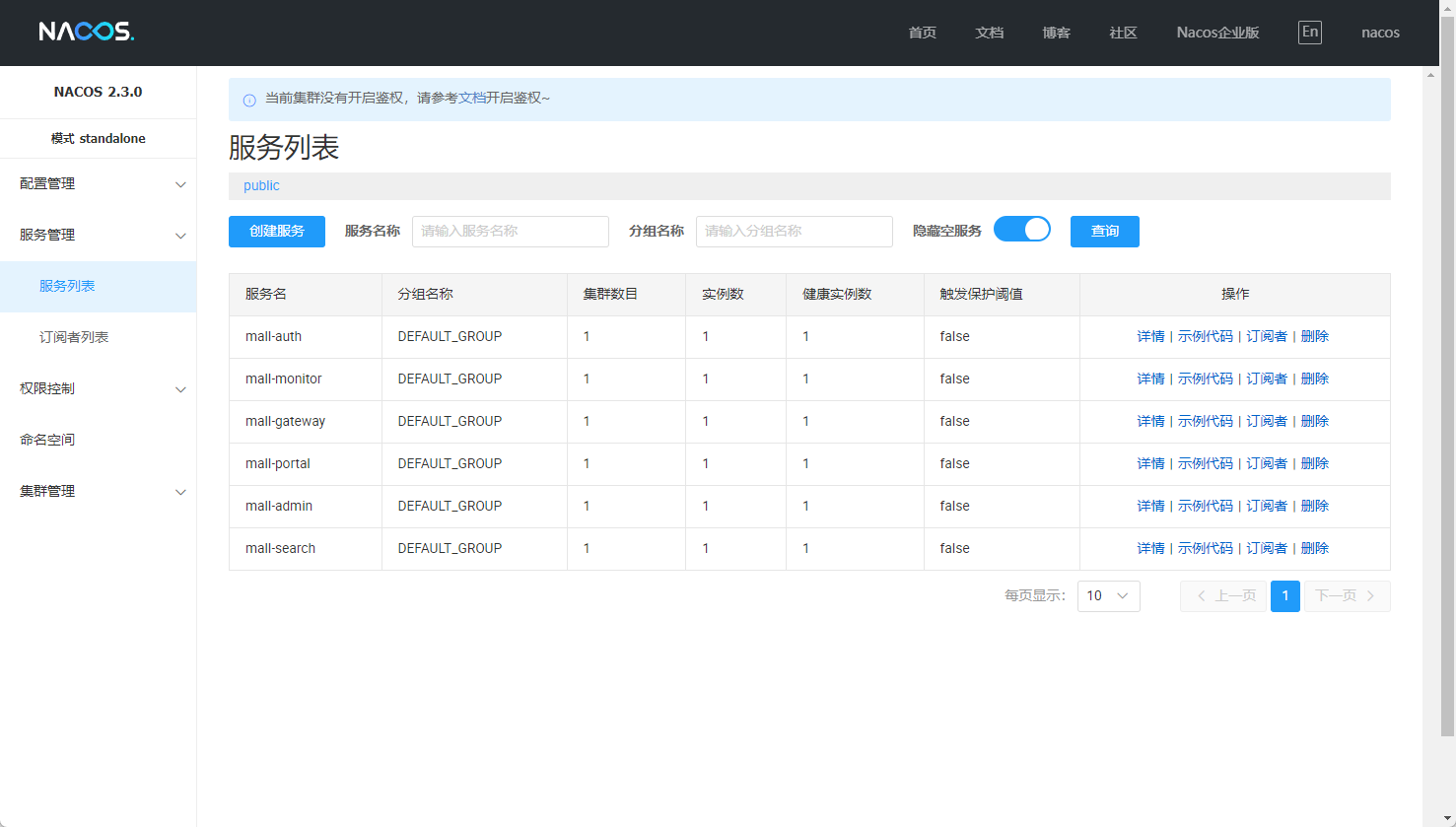
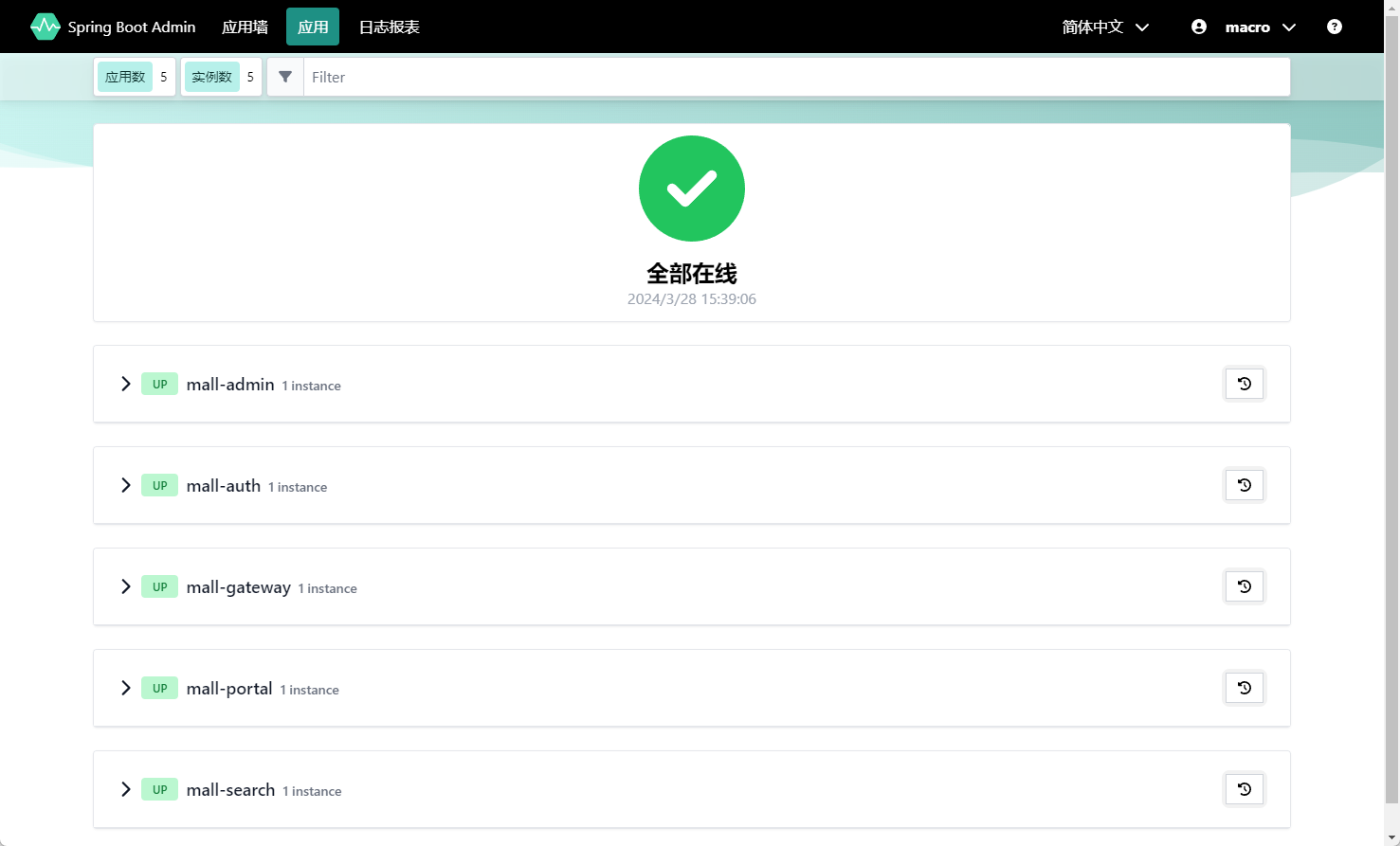
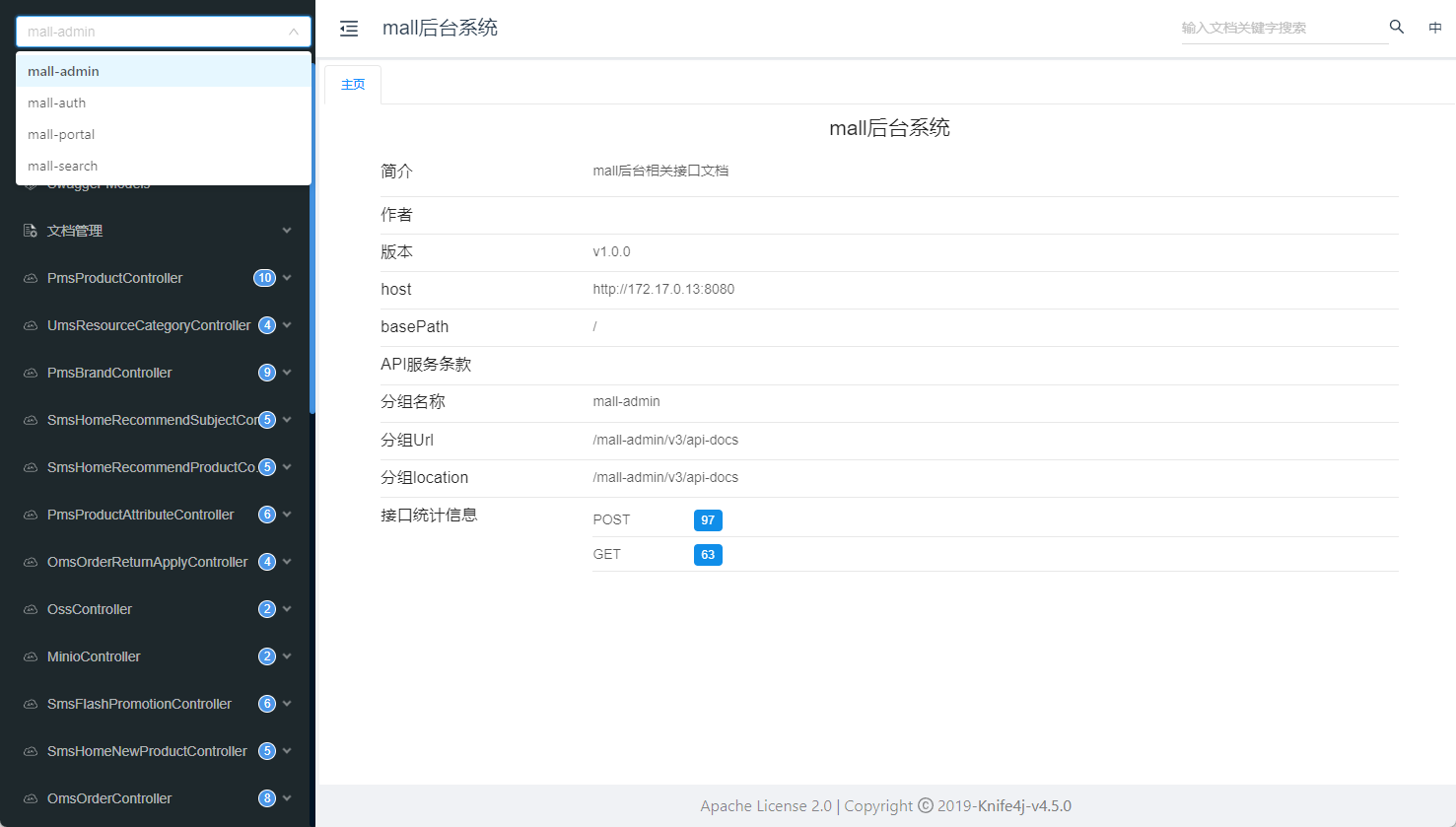
mall-swarm is a microservice shopping-mall system written in Java and released under the Apache-2.0 licence. Its core stack is Spring Cloud 2025 with Alibaba, Spring Boot 3.5, Sa-Token, MyBatis, Elasticsearch, Docker and Kubernetes, and it ships with a Vue-based admin console so a working system can be stood up quickly. The repository is organised as a set of Maven modules: mall-common for utility and shared code, mall-mbg for MyBatisGenerator-produced data-access code, mall-auth for unified authentication, mall-gateway for the API gateway, mall-monitor for monitoring, mall-admin for the back-office service, mall-search for Elasticsearch-backed product search, mall-portal for the mobile-facing mall service, mall-demo for remote-call testing, and a config directory holding the configuration served by the config center. Two front-end projects live alongside it: the Vue admin front end mall-admin-web and the mobile front end mall-app-web, which is built with uni-app.
The problem it addresses is integration, not e-commerce logic alone. A team building a mall on Spring Cloud would otherwise have to select and wire together a service registry, a configuration center, a monitoring center, an API gateway, an authentication center and a search service, then keep all of them consistent as the application grows. mall-swarm embeds those system functions into the project itself, on top of the e-commerce business code, so the infrastructure layer arrives already connected. The README also states that the project ships with complete documentation and a full set of accompanying Spring Cloud tutorials, which positions it as much as a reference implementation as a deployable base.
Key capabilities
- Microservice topology split into
mall-gateway (Spring Cloud Gateway), mall-auth, mall-admin, mall-portal, mall-search, mall-monitor and mall-demo, with mall-common and mall-mbg as shared libraries.
- Authentication and authorisation through Sa-Token, with
mall-auth documented as a unified authentication center based on Spring Security OAuth2.
- Product search service
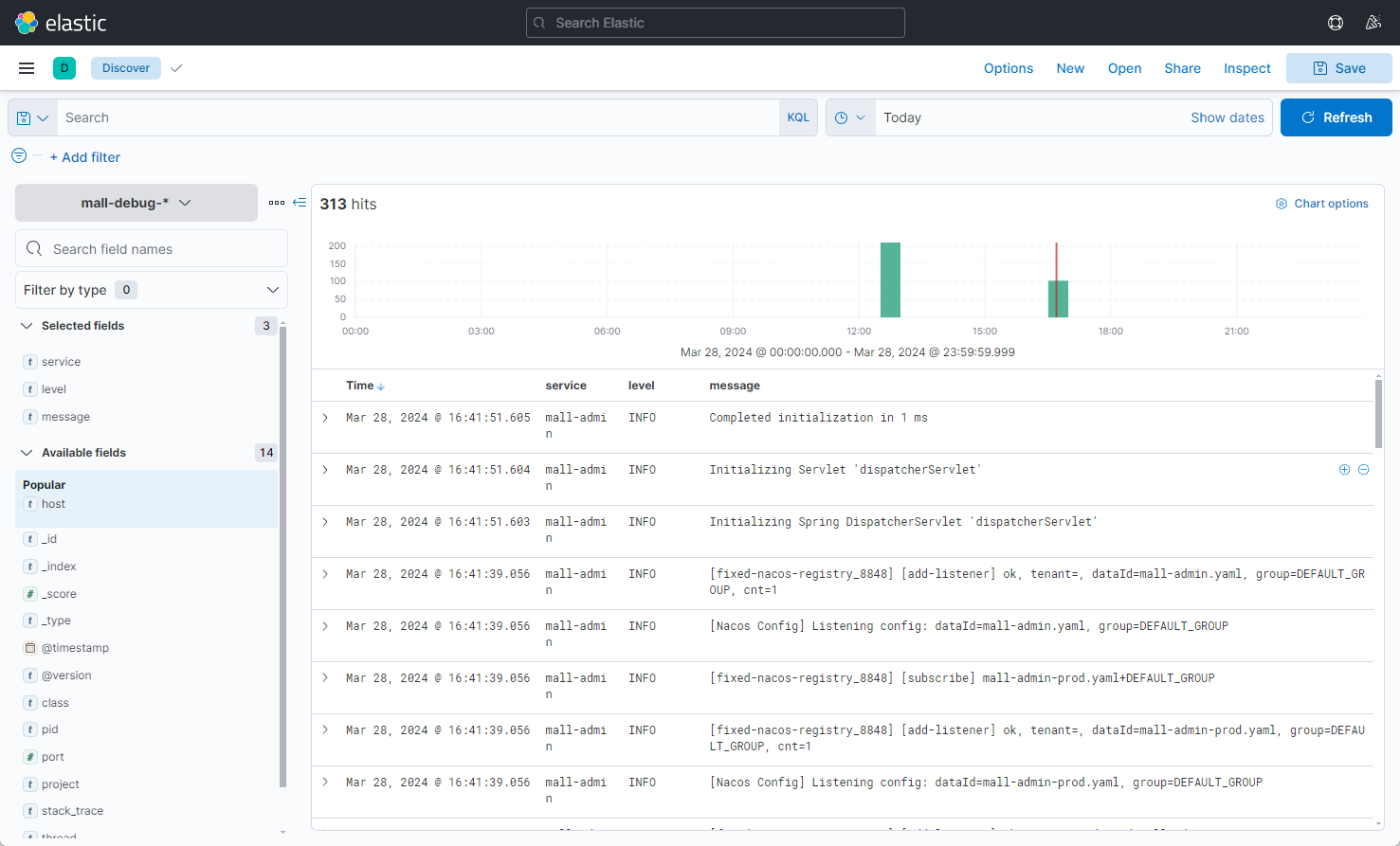
mall-search, backed by Elasticsearch.
- Monitoring center
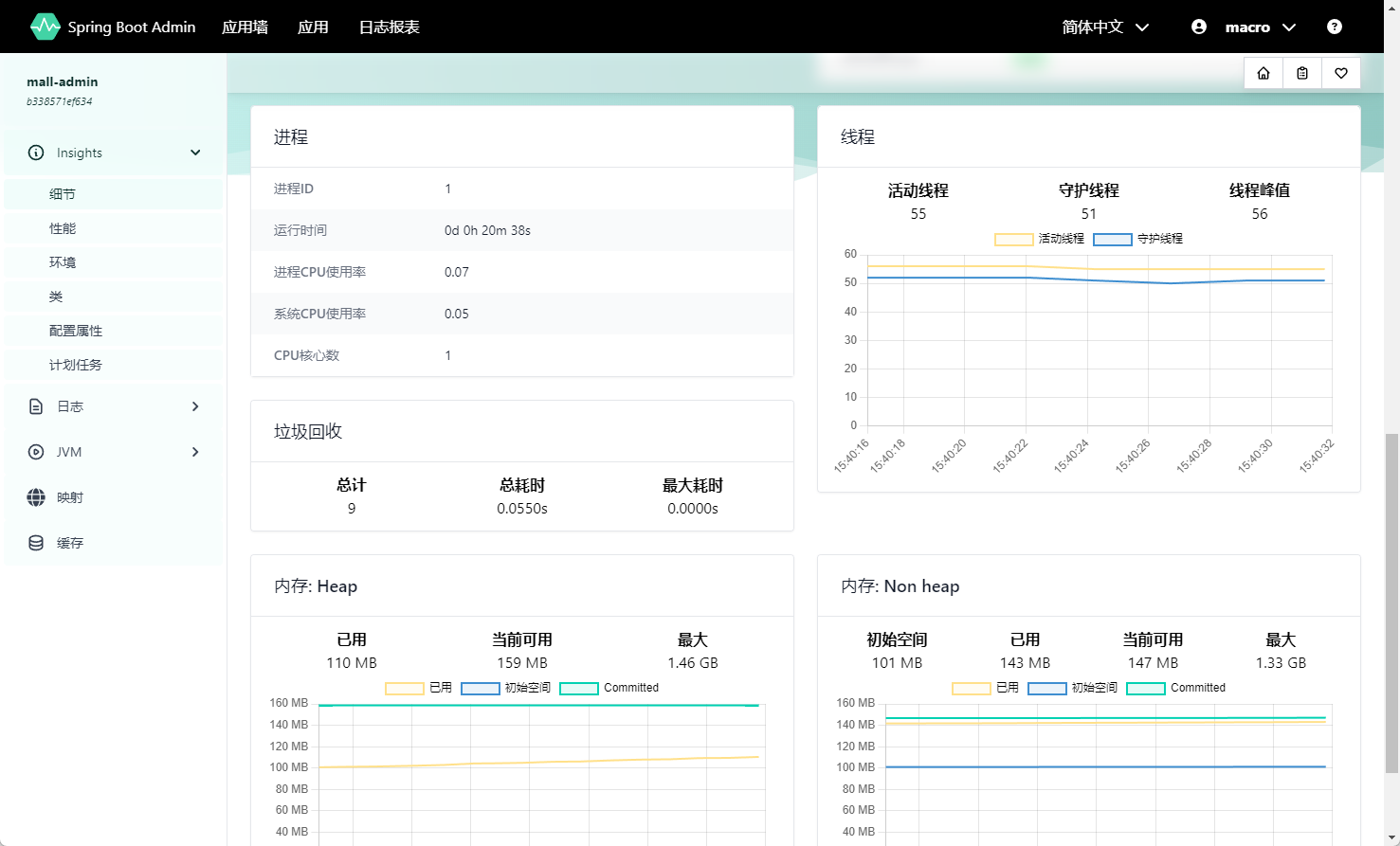
mall-monitor, built on Spring Boot Admin.
- Persistence layer using MyBatis, MyBatisGenerator for data-layer code generation, the PageHelper physical pagination plugin and the Druid connection pool.
- Supporting middleware including Redis for distributed cache, MongoDB as a NoSQL database, RabbitMQ as the message queue, Seata for global transaction management, and OSS or MinIO for object storage, with LogStash for log collection.
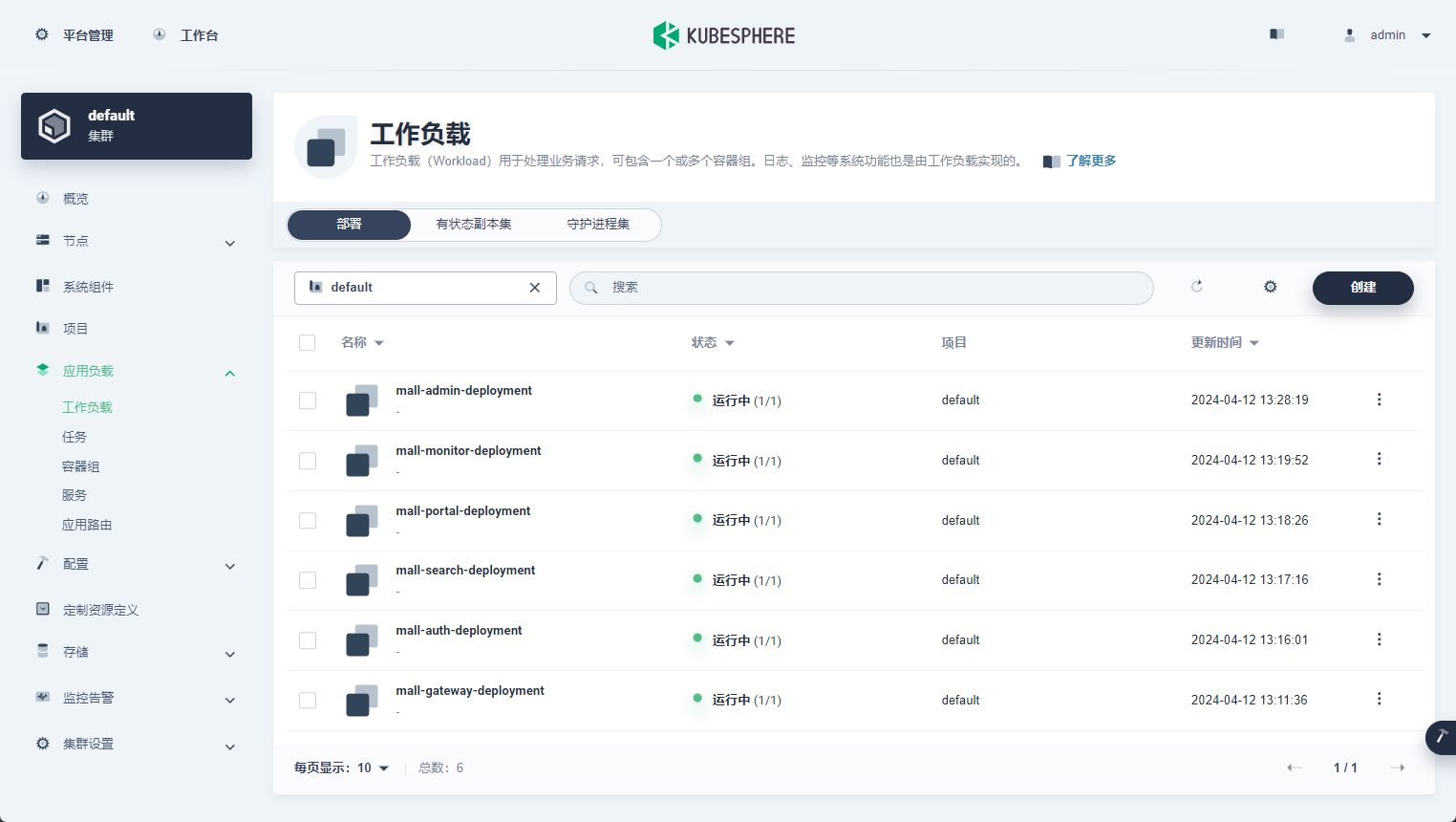
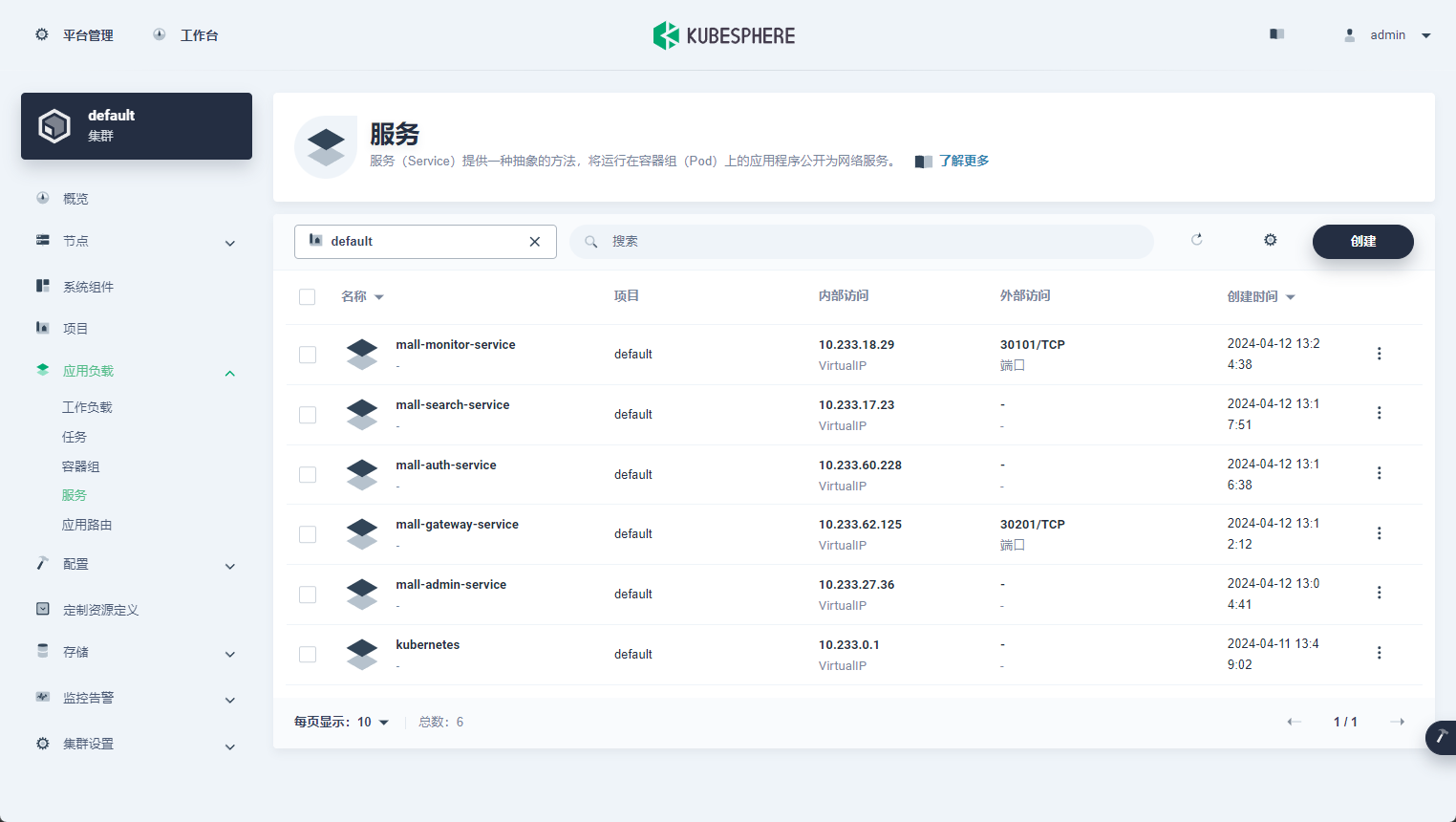
- Container-oriented delivery using Docker and Kubernetes, with Jenkins for automated deployment and Portainer for visual Docker container management.
Who uses it and how
- Teams evaluating the stack can use the hosted demonstrations: the admin console at
cloud.macrozheng.com/admin/index.html and the storefront at the app demo address, which is best viewed in mobile browser mode.
- Front-end developers pair the back end with
mall-admin-web for the Vue and Element admin interface, or mall-app-web for the uni-app mobile client — both repositories are separate projects linked from the README.
- Operators deploy the services as containers on Docker or Kubernetes, typically driving releases through Jenkins and inspecting running containers with Portainer.
- Learners and instructors use the accompanying material: the mall-swarm microservice tutorial, the video course, and the separate
springcloud-learning repository for Spring Cloud in general.
- The repository carries roughly 13,000 stars and 5,500 forks, which indicates a wide base of readers and forkers rather than a small closed group.
Getting started
The README's environment setup table specifies JDK 17, MySQL 5.7 and Redis as the development environment, with the application modules built from source and deployed as containers through Docker or Kubernetes; the hosted demo at cloud.macrozheng.com is offered as the fastest way to try the system before installing anything.
How it compares
No competing or paid products are named in the facts provided, so no contrast can be drawn on licence, hosting or cost grounds. On the evidence available it stands alone in this registry.
When to use it — and when not to
A self-hoster must operate a substantial middleware estate: MySQL 5.7, Redis, MongoDB, RabbitMQ and Elasticsearch, plus Docker or Kubernetes and, for the documented deployment flow, Jenkins — so teams without container orchestration skills or without a reason to run Elasticsearch and a message queue should look elsewhere, and anyone wanting a single-process monolith will find this far heavier than needed. Two long-lived branches exist with different foundations — master on Spring Cloud 2025 and Spring Boot 3.5, dev-v2 on Spring Cloud 2021 and Spring Boot 2.7 — so the branch must be chosen deliberately before starting. One inconsistency is worth noting: the module list describes mall-auth as Spring Security OAuth2 based while the technology table lists Sa-Token for authentication and authorisation, and the supplied README excerpt stops partway through the environment table, so setup details should be confirmed against the full upstream documentation.