What it is
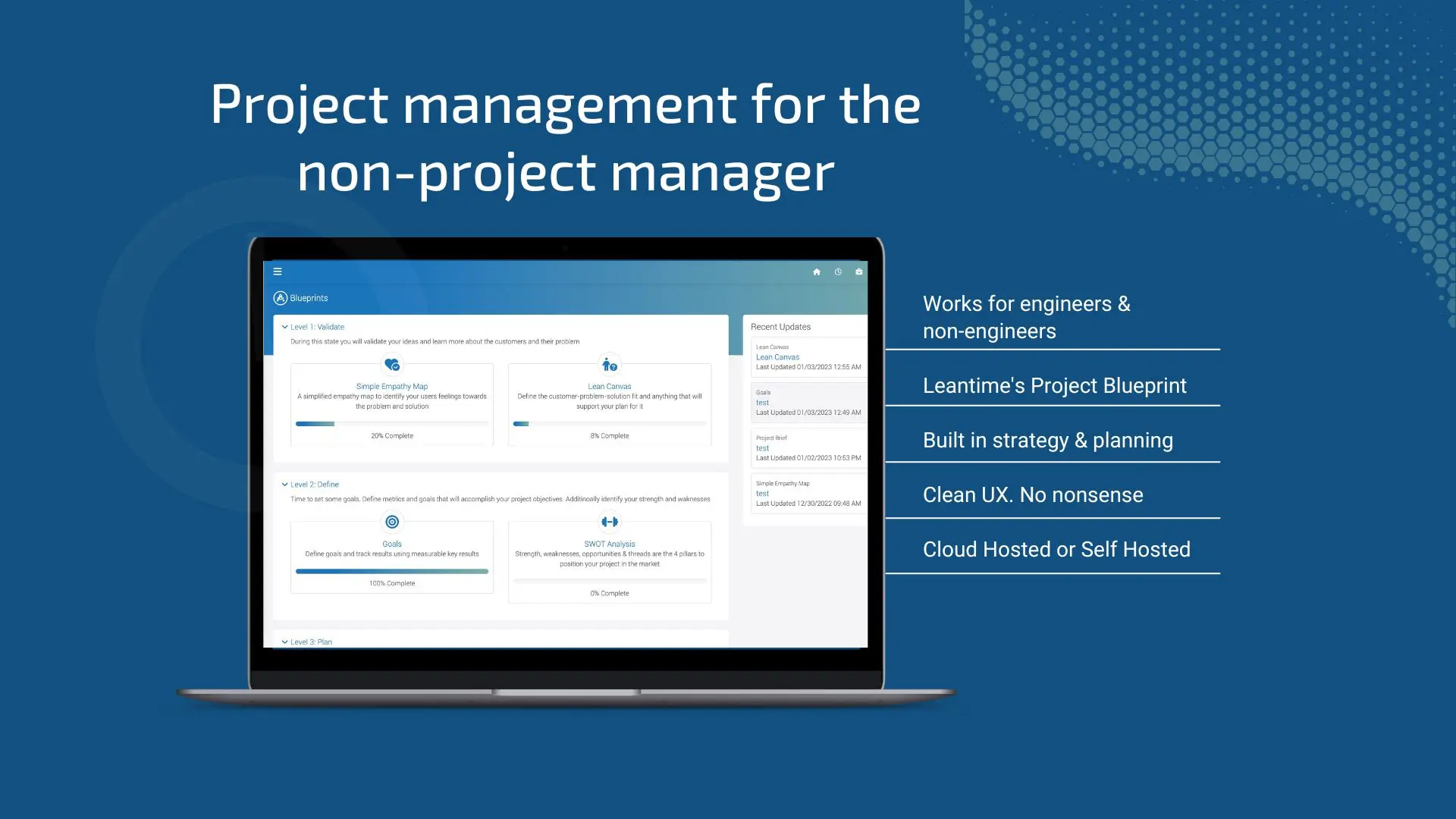
Leantime is an open-source project management system in the Business Software / Project & Work Management category, written in PHP and licensed under AGPL-3.0. It is aimed at non-project managers and combines strategy, planning, and execution in one place. The project describes itself as built with ADHD, autism, and dyslexia in mind.
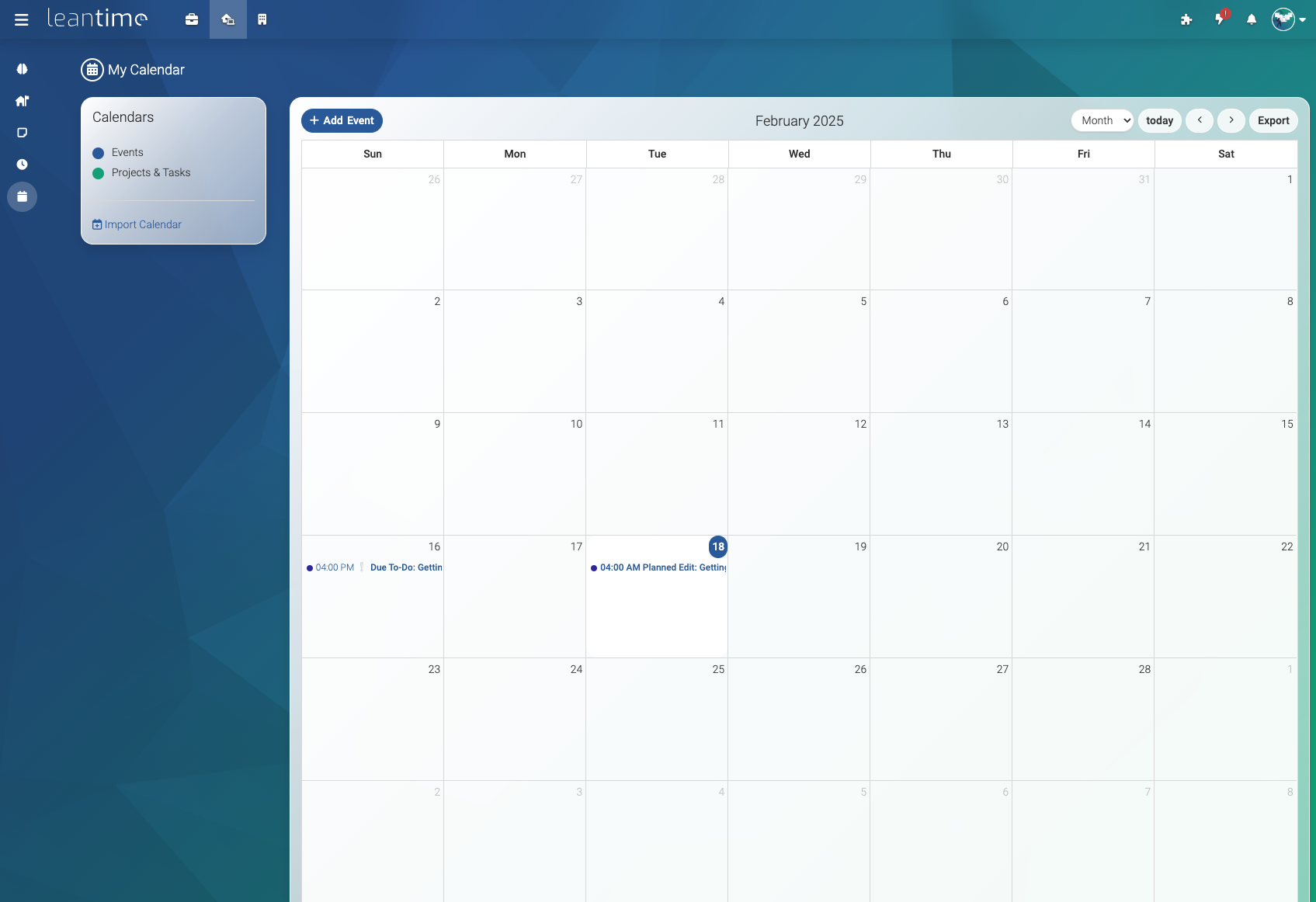
The concrete problem it addresses is fragmented work management. Teams often need task boards, planning views, reports, knowledge storage, and administrative controls, but those functions are frequently spread across separate products. Leantime places those functions in a self-hosted PHP application, with views such as kanban, gantt, table, list, and calendar, so users can plan and track work without moving between several systems.
Key capabilities
- Task management supports kanban boards, gantt charts, table views, list views, and calendar views, and it allows unlimited subtasks and dependencies.
- Planning features include milestone management, sprint management, project dashboards, reports, status updates, goal tracking, and metrics tracking.
- Strategy and analysis tools include Lean Canvas, Business Model Canvas, SWOT analysis, and risk analysis.
- Knowledge and collaboration features include wikis, docs, idea boards, retrospectives, comments, and discussions on everything.
- Time and media features include timetracking, timesheets, and screen and webcam recording.
- Administration features include multiple user roles, per-project permissions, two-factor authentication, LDAP integration, and OIDC integration.
- Storage and extension features include file storage via S3 or local filesystem, plugins, an API, and integrations with Slack, Mattermost, and Discord.
Who uses it and how
- Teams that need one workspace for strategy, planning, and execution use Leantime to connect goals, tasks, and reports.
- Project managers and team members use kanban, gantt, table, list, and calendar views to track tasks, milestones, and sprints.
- Administrators use user roles, project permissions, two-factor authentication, LDAP, and OIDC to control access.
- Users keep project information and discussions near the work through wikis, docs, idea boards, retrospectives, comments, and discussions.
- Teams that need file handling use S3 or local filesystem storage and integrate with Slack, Mattermost, or Discord.
Getting started
Leantime can be run with the official Docker image leantime/leantime. For local production installation, users download the release package, create a MySQL database, upload the directory, point the domain root to public/, rename config/sample.env to config/.env, enter database credentials, and navigate to /install.
When to use it — and when not to
Leantime is suitable for teams that want a self-hosted alternative to paid tools such as ClickUp, Monday, or Asana and that can operate a PHP application. Self-hosters must run PHP 8.2+, MySQL 8.0+ or MariaDB 10.6+, Apache or Nginx, many PHP extensions, and file storage via S3 or local filesystem, and IIS requires additional configuration for the PATCH method. The provided facts also show 328 open issues, so prospective users should review current support status before deployment.