What it is
Hexclave is an open-source user infrastructure platform written in TypeScript and distributed under a license the repository metadata lists as NOASSERTION, while the README badge states MIT / AGPLv3. It describes itself as handling everything around a product's users: authentication, teams, payments, emails, analytics, and more. The project lives in the JavaScript and TypeScript ecosystem, shipping SDKs for Next.js, React, and plain JavaScript, and it is positioned against hosted identity and user-management services such as Auth0 and Clerk, both of which appear in its topic list.
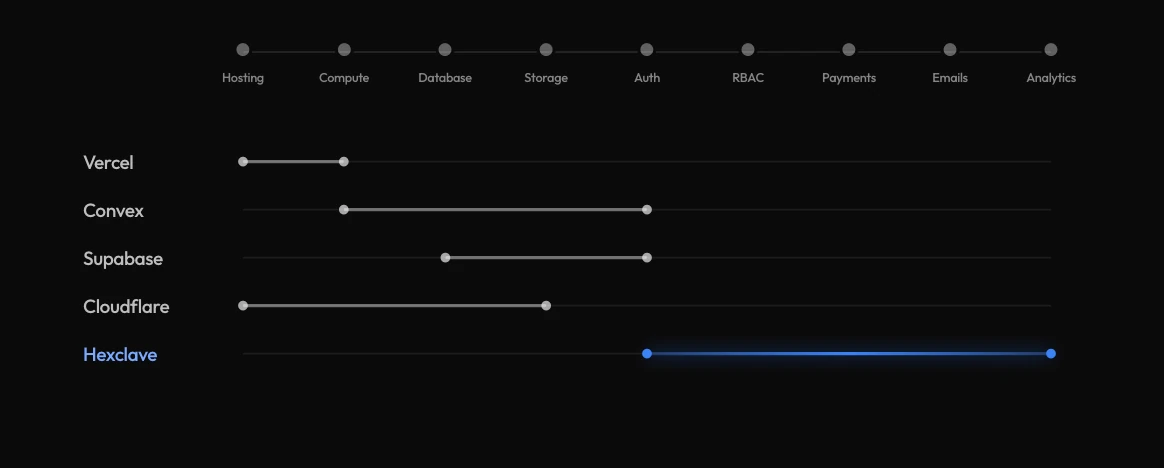
The concrete problem it solves is the assembly work that surrounds every product's user model. Rather than stitching together separate vendors for login, workspace membership, role checks, subscriptions, transactional email, and event tracking, Hexclave ships these as a catalog of apps that share one user model and are switched on as a product needs them. The repository states that the developer chooses the frontend, backend, and database, and Hexclave handles the rest, which means the same identity and billing primitives can be reused across features instead of reimplemented per integration.
Key capabilities
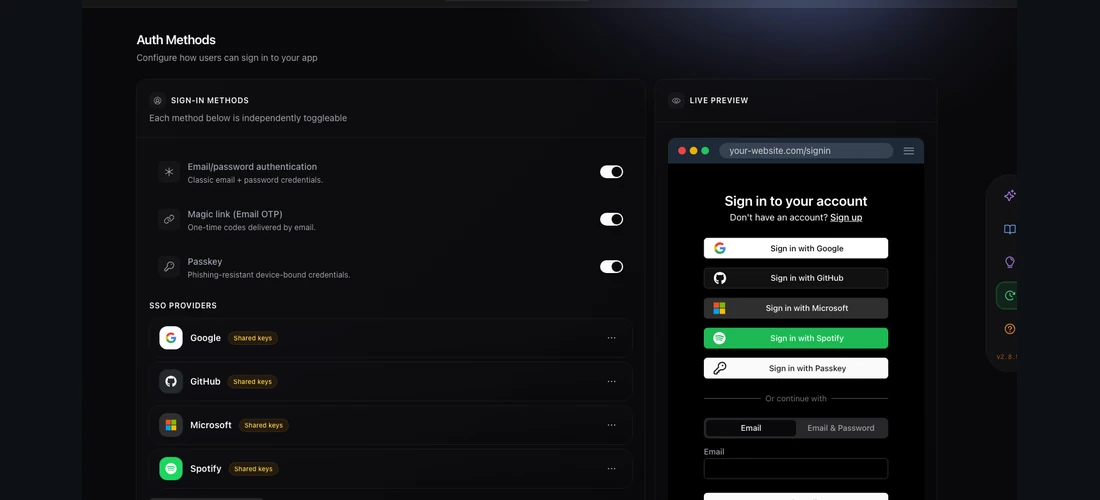
- Authentication with passkeys, OAuth, and CLI auth, delivered as a single drop-in component whose methods toggle from the dashboard without code changes.
- Teams support with workspaces, email invites, roles, and a workspace switcher that remembers the selected workspace; invites auto sign up new users.
- RBAC with nested roles and one permission check that behaves identically on server and client, defined in the dashboard and checked in code.
- API keys for both users and teams, with automatic revocation of leaked keys and the full secret shown only once, since plaintext is not retained after creation.
- Payments covering subscriptions, one-time charges, and usage metering with credits, billing either a person or a team through one model.
- Emails for transactional and marketing sends from one API, with an AI template editor, shared theming, and open and click tracking.
- Analytics with live active user counts and session replays, plus dashboards built from plain-English questions or saved SQL queries.
- Webhooks that are signed and tamper-proof, with retries and backoff handled automatically and endpoints managed from the dashboard.
Who uses it and how
- Product teams building multi-tenant SaaS that need workspaces, invites, and role-gated permissions on top of a shared user model.
- Next.js and React developers who want authentication and billing wired into an existing application through the provided SDKs.
- Teams replacing a hosted identity provider, given the explicit Auth0 and Clerk topics, while keeping control of the frontend, backend, and database.
- Operators who need subscription and usage-based billing alongside API key issuance for user-facing or team-facing APIs.
- Engineering teams running a pre-production checklist covering domain setup, locked callbacks, and rotated secrets before launch.
Getting started
The README presents setup as a single prompt pasted into a coding agent: read skill.hexclave.com and set up Hexclave in the project. AI agents can instead fetch current integration instructions by curling https://skill.hexclave.com?question=&context=, and deployment is offered as either cloud or self-hosted
project readme (upstream, from github) — read inline
Hexclave

The user infrastructure platform.
Hexclave handles everything around your users: authentication, teams,
payments, emails, analytics, and much more. Get started with our AI
prompt below.
Website · Docs · Dashboard · Discord



Get started
Setting up Hexclave is one prompt. Paste this into your coding agent of choice:
Read skill.hexclave.com and help me setup hexclave in this project
For AI agents
If you're an AI coding agent, use your web fetch tool or curl the skill documentation for up-to-date integration instructions:
curl -sSL "https://skill.hexclave.com?question=<your-question>&context=<your-context>"
What's included
Hexclave ships as a catalog of apps you switch on as your product needs them.
Each one is built on the same user model, and new apps land regularly.
Contributing
Hexclave is open source, and contributions are welcome. Read
CONTRIBUTING.md to get started, and say hello in
Discord before picking up anything large.
Found a security issue? Email [email protected].
❤ Contributors

 Authentication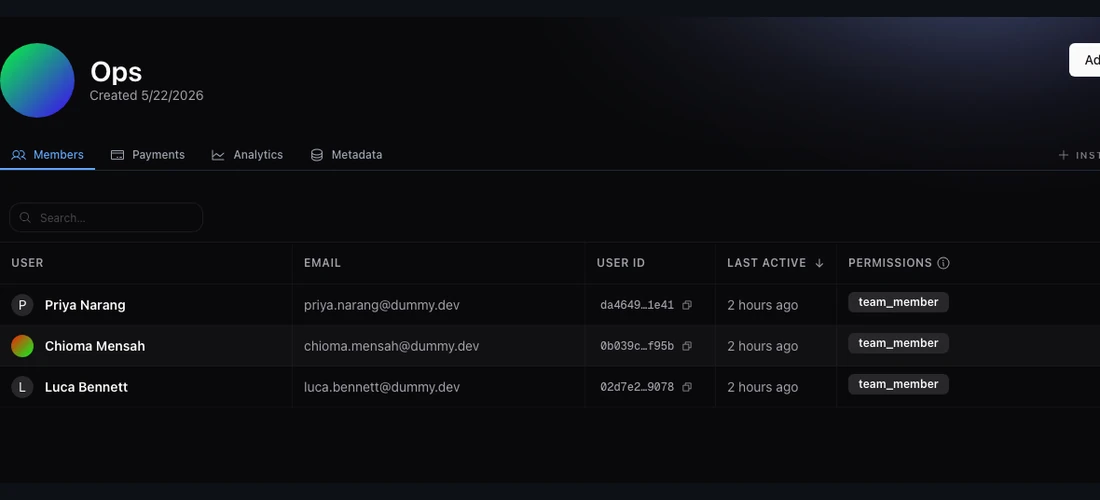
 Teams
Teams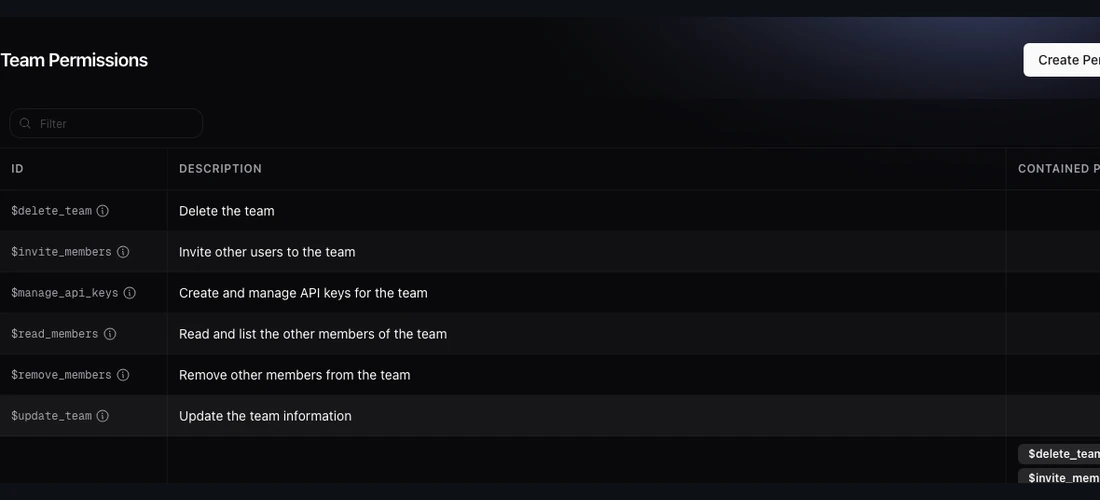
 RBAC
RBAC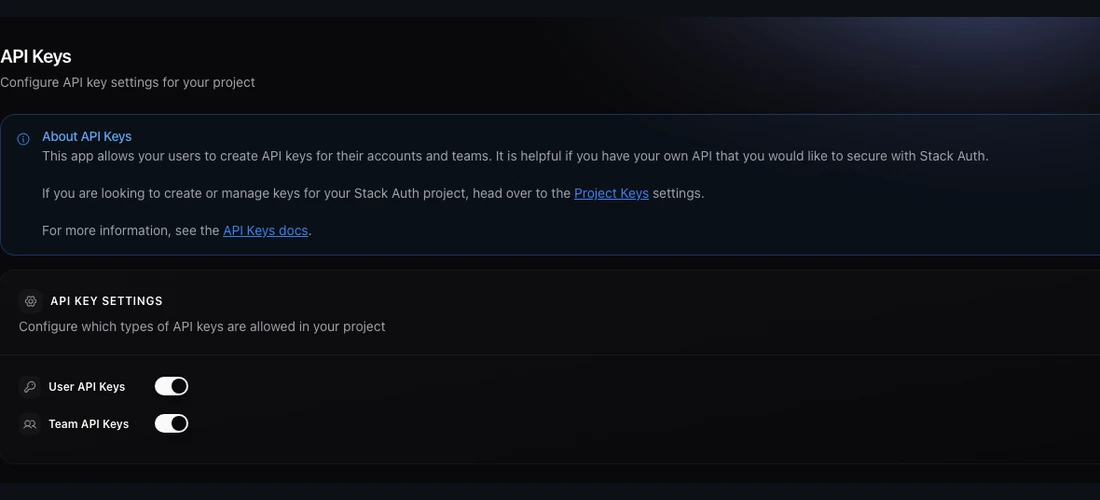
 API Keys
 Payments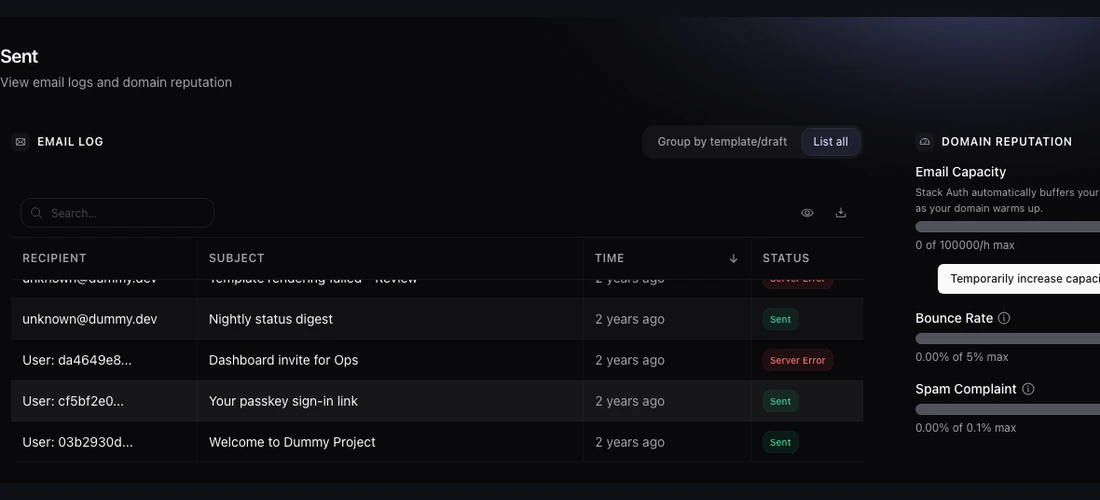
 Emails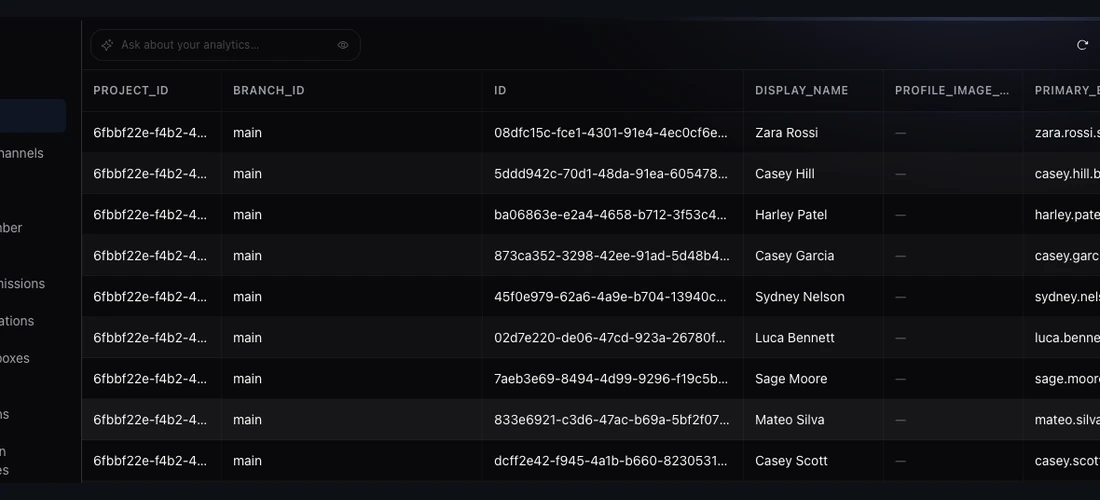
 Analytics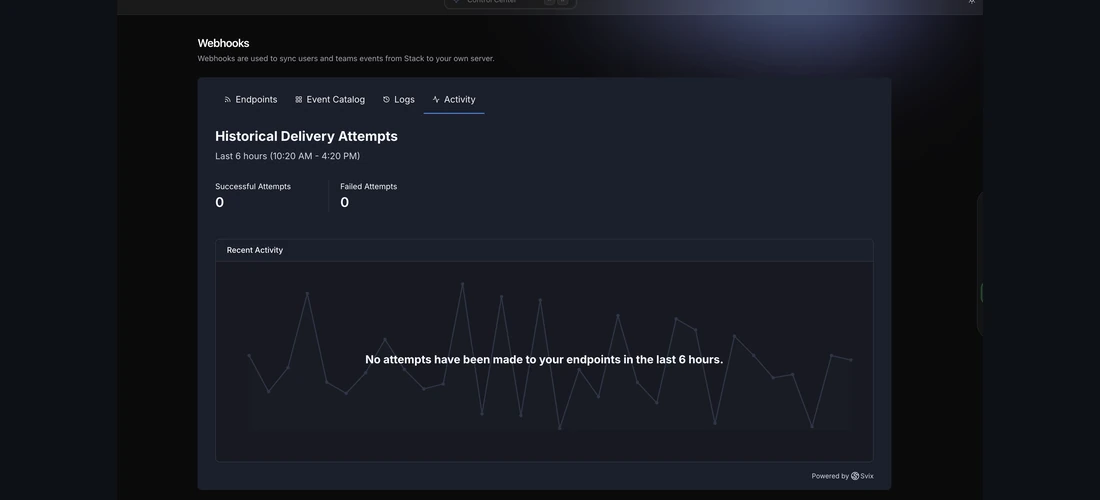
 Webhooks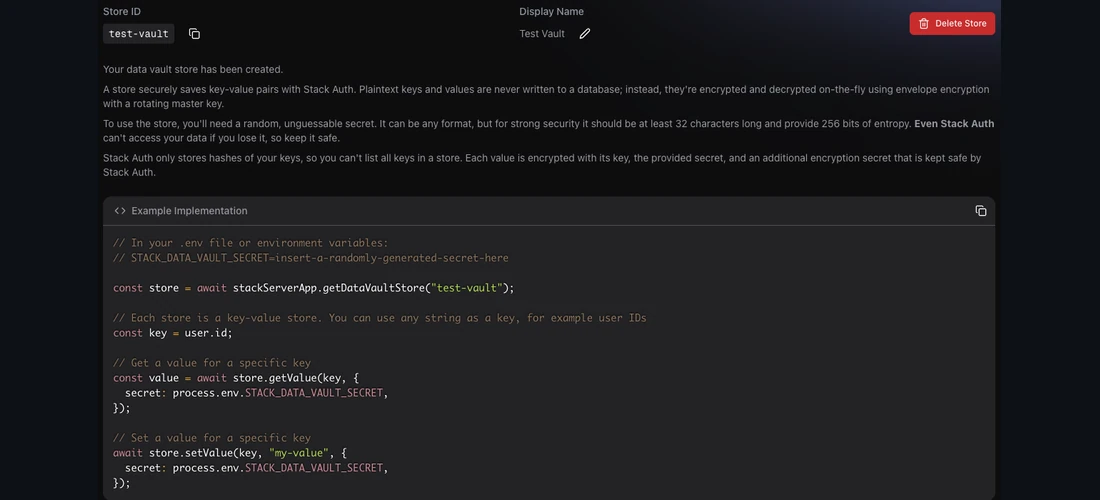
 Data Vault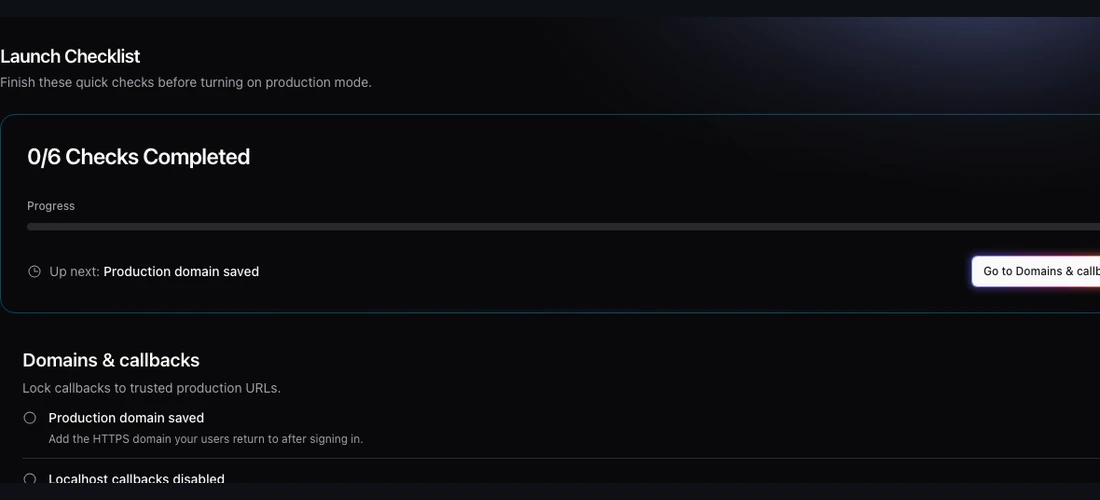
 Launch Checklist