What it is
GameDevMind is an open-source technical map for game development, published as a Python repository under the MIT license and organized as a structured body of documentation rather than a runnable engine or framework. It lives in the game development ecosystem, with code samples written in C++, C#, and Python, and topics spanning 3d, cpp, devops, framework, game-development, game-framework, game-server, gamedev, management, mmorpg, and pipeline. The repository holds 121 documents, two code collections, eight practical case studies, and five recorded AI collaboration dialogues, and it has been maintained for four years, most recently updated in August 2026.
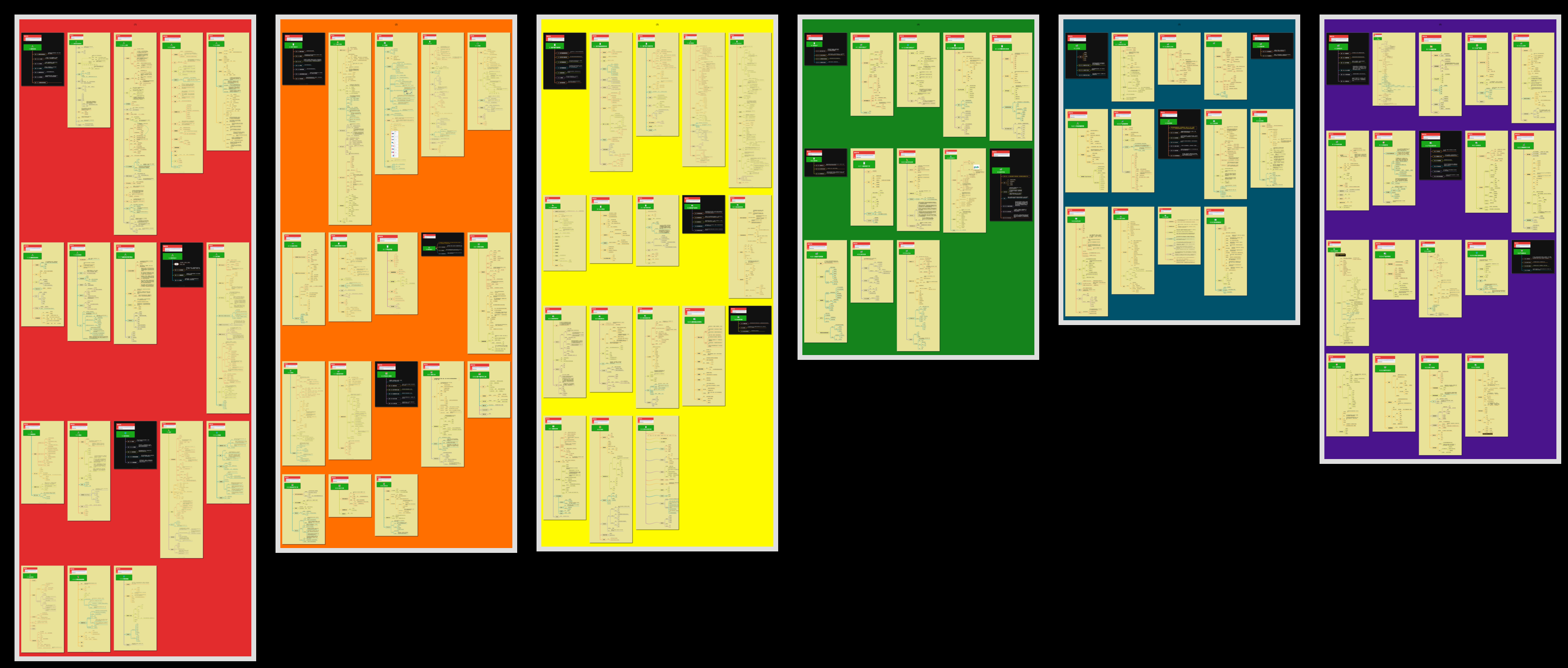
The concrete problem it solves is duplicated effort. Game development has run for more than half a century, yet the README states that developers still repeatedly reinvent the wheel. The project collects known problems, the direction of their solutions, and the pitfalls encountered along the way, so a developer meeting a familiar issue does not have to rediscover it. The content is organized by the game product value chain rather than by job title or technology stack: basic knowledge, game-specific technology, product research and development, industrialized production, management collaboration, and launch operations.
Key capabilities
- Six capability layers organized along the product value chain, from basic programming, mathematics, and software engineering through to operations, LiveOps, commercialization, security, and compliance.
- Three curated reading paths — newcomer onboarding, development practice, and launch operations — matched to students, career changers, mid-level client or server engineers, and technical leads preparing to ship.
- Two runnable code collections: C++ and C# samples tied to map chapters, plus approximately 43 zero-dependency Python examples referenced by the Zhihu column articles.
- Eight real case studies with symptom, root cause, and corresponding map chapter, covering a shared_ptr circular reference memory leak, client prediction versus server reconciliation rollback, draw call reduction, an ABBA thread deadlock, and leaderboard query timeouts.
- Five AI collaboration records, including using Claude to design an object memory pool, each showing the prompt, the AI output, human correction, and the final result.
- An interactive navigation site and a panorama view published through GitHub Pages for filtering the document set.
- Keyword index, document index, and changelog files for locating material









![[ 图谱总览 ]](exports/0.%E6%80%BB%E8%A7%88.png)